
When a Race Day Suits Business Introductions
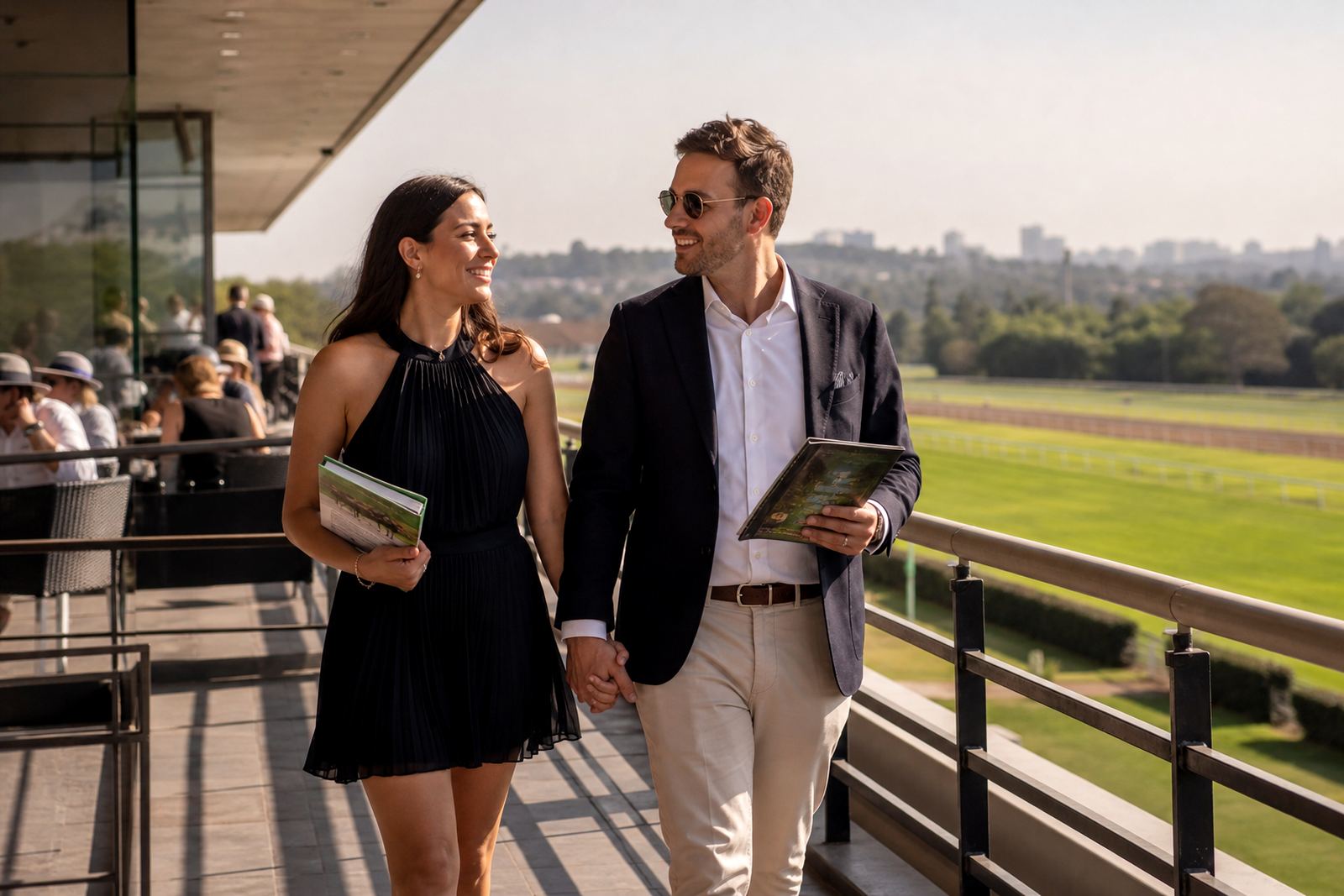
For many adults, a race day gives a better social rhythm than a formal boardroom lunch. People arrive in good time, there is a clear programme to follow, and the atmosphere allows introductions without pressure. That makes it useful for client hosting, team thank-yous, relationship building and informal business conversations.
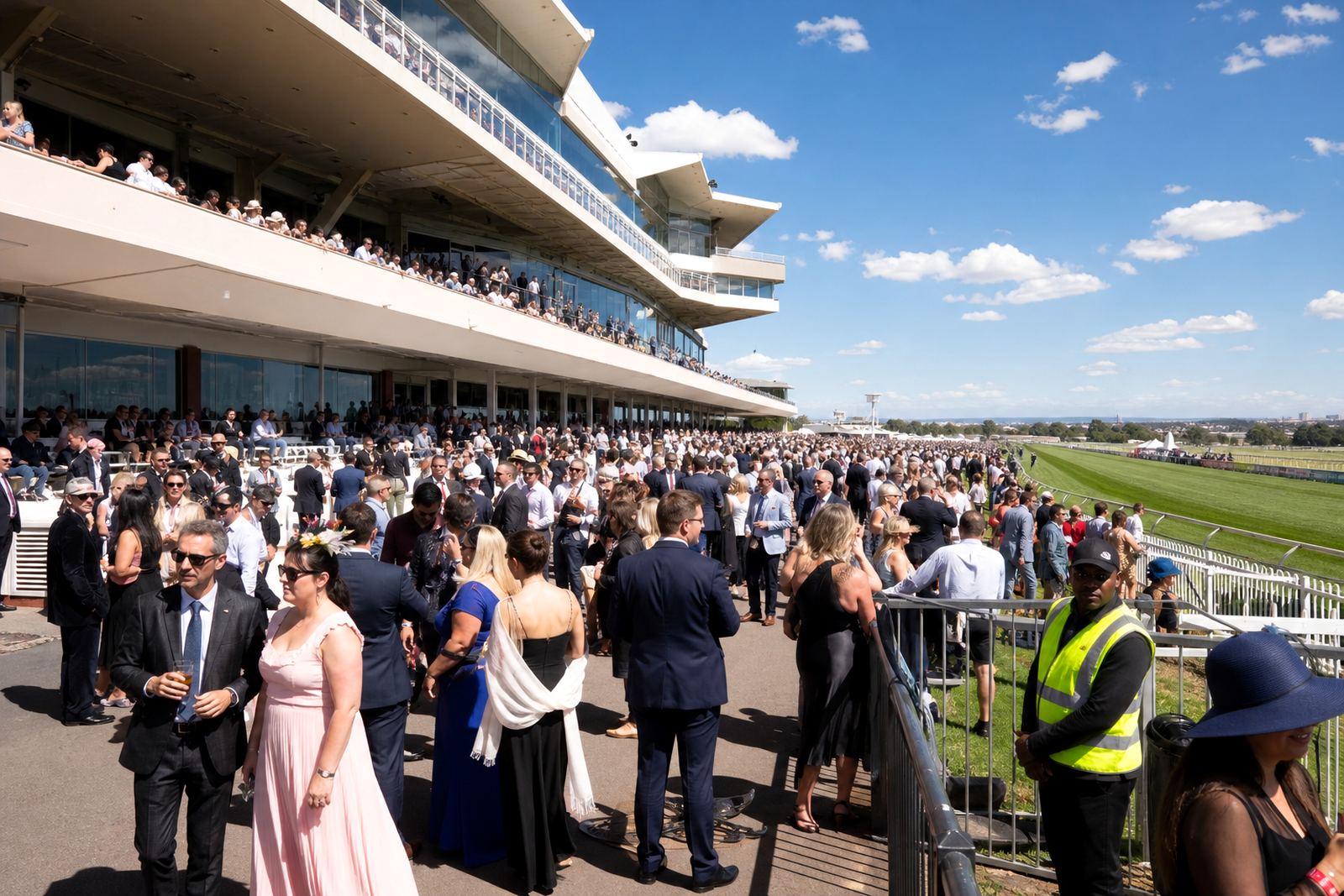
Racing House works with groups across Rosebank, Sandton, Midrand, Randburg, Bedfordview, Pretoria, Centurion and Kempton Park, with hospitality planning for South African racecourses including Turffontein, Greyville, Kenilworth, Scottsville and Fairview. The setting suits small business groups as well as larger corporate gatherings, provided the layout is planned with movement, shade and noise levels in mind.
Where betting is part of the day, the tone should stay measured. Form guides, track condition notes and pace map notes are there to help guests understand the card, not to encourage quick decisions. Please bet responsibly and only within your means.
What Guests Need On the Day
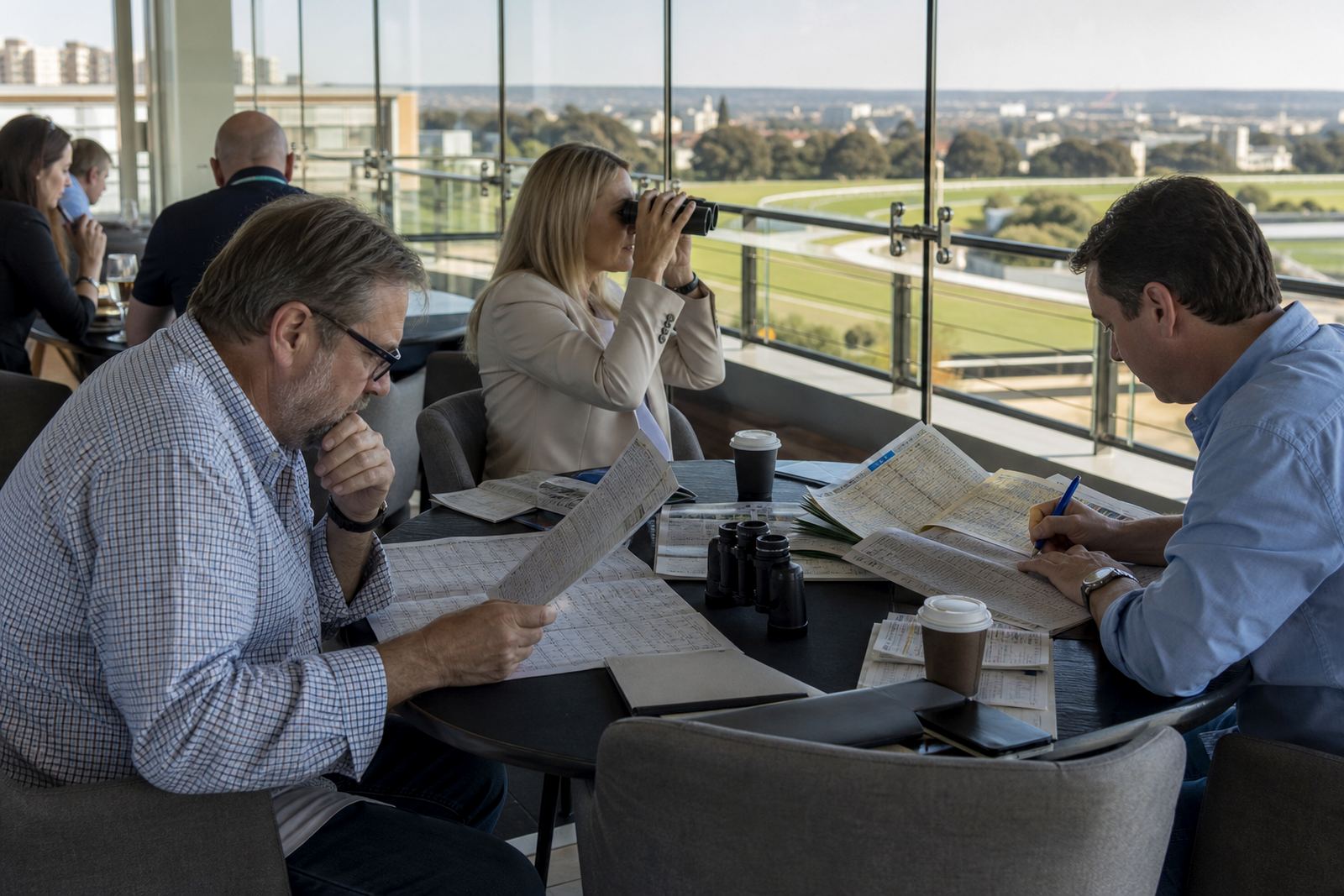
A good networking event does not need a long equipment list, but it does need the right basics. Comfort, visibility and easy access matter more than anything fancy. For race-day hospitality, the practical set-up usually includes shaded seating, tables for notes and refreshments, a screen or printed racecard summaries, and space for guests to stand and talk between races.
At tracks such as Turffontein or Greyville, weather and timing can change the feel of the day quickly, so a planning sheet should cover arrival times, race intervals, meeting points and a backup plan for wind or light rain. In coastal areas like Kenilworth and Fairview, damp air and sea breeze can affect printed material, so sleeves, clipboards and covered service points help. In Johannesburg, strong sun and late afternoon cooling can also change how guests use the space.
- Printed racecard shortlists for each guest table or group
- Simple name cards for introductions
- Water, soft drinks and light catering
- Covered seating or umbrellas where required
- A clear meeting point for arrivals and departure
Layout And Timing That Keep Conversation Moving
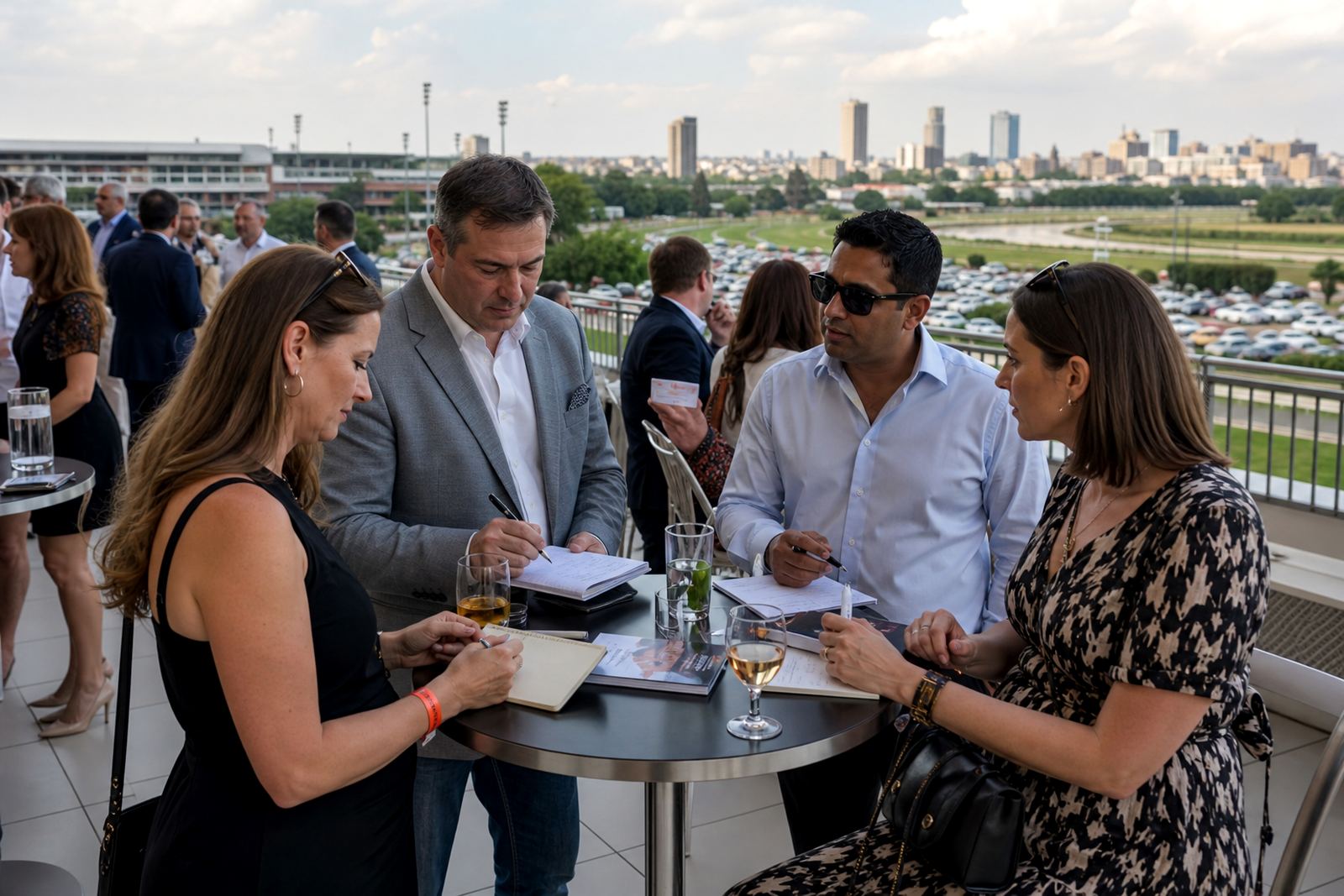
The best networking layout is one that lets people meet in small clusters, then regroup without losing the thread of the conversation. Round or half-round seating works well because it encourages eye contact and makes it easy to include a guest who arrives later. If the group is mixed, with long-time clients and newer contacts, place a host or coordinator near the centre so introductions happen naturally.
Timing is just as important. Guests should not be left waiting too long before the first introduction, but they also should not be rushed from one moment to the next. A simple structure works well: arrival, welcome drinks, a short race briefing, the first set of conversations, then a pause around the form guide before the main race action. This gives the event a clear pace without feeling scripted.
Racing House can support with a racecourse preview call before the day, then provide a hospitality tip brief and meeting recap notes after the event if you want to follow up on conversations with clients or prospects. That kind of structure is especially useful when the event is being used to open new business relationships.
Reading The Form Without Making It Complicated
Many guests enjoy racing more when they know what to look for. A short form reading guide helps people join the conversation, even if they are not regular punters. The main points are usually recent form, whether a horse has shown consistency over similar distances, how it has handled the going, and whether the pace map suggests a race shape that suits its run style.
For a networking event, the aim is not to turn every guest into a racing expert. The aim is to give enough context so the card becomes a talking point. A simple shortlist can highlight horses that have shown steady effort, runners stepping up or down in trip, and those that may prefer soft ground, a firm surface or a track with a particular draw bias. On the day, track condition notes should be checked again because weather and watering can alter the picture.
- Start with recent runs and finishing position
- Check distance, surface and track type
- Look at pace and likely run style
- Note any change in class or weight
- Use the shortlist to focus discussion, not to overcomplicate it
Responsible betting matters. If guests choose to bet, keep stakes modest and avoid chasing losses.
Common Mistakes That We See At Business Events
The most common problem is overplanning the social side and underplanning the practical side. If guests cannot hear one another, cannot find the host, or have to queue for too long, the event loses its value very quickly. Another mistake is sending people into the day without a clear idea of the schedule. Even a relaxed race meeting works better when the group knows when to arrive, where to sit, and when the main conversations will happen.
Keep the language simple where possible. Not every guest will know the difference between a maiden, a feature meeting or a pace bias. Keeping the language simple makes the day more inclusive. For mixed groups, make sure there is a balance between racing talk and normal business conversation so nobody feels left out.
- No clear host or coordinator on arrival
- Too much noise for introductions
- Printed notes left in direct sun or damp weather
- Overcrowded seating that makes movement difficult
- Betting talk that becomes too competitive or unrealistic
Budget Ranges For Johannesburg And Beyond
Budgets vary according to group size, course choice, transport needs and the level of hospitality you want on the day. A simple networking outing with light refreshments and form support will sit at one end of the scale, while a fully coordinated hospitality package with reserved space, catering and race-day coordination will sit higher. As a guide, practical race-day networking packages for small groups often start from around R350 to R650 per person, while more structured hospitality can range from about R850 to R1,800 per person depending on the venue and inclusions.
If transport is needed from areas like Sandton, Randburg, Bedfordview, Centurion or Pretoria, that should be quoted separately. Larger groups may also need extra staffing for check-in, table management and guest movement between viewing points. The best way to stay within budget is to decide early what matters most: form guidance, hospitality, guest comfort or added privacy.
Racing House keeps the process straightforward through the enquiry form on our contact page. That makes it easier to plan a date, discuss the meeting, and match the layout to the size of your group.
How Racing House Supports The Day
Racing House is set up for adults who want a measured, well-organised race-day experience. Our services can support the event from the first invite through to the final recap, whether you need Daily Tip Notes, Weekend Preview Service, Midweek Briefing, Novice Punters Help, Form Reading Support, Track Condition Notes, Pace Map Notes, Racecard Shortlist, Hospitality Tip Brief or Meeting Recap Notes.
For networking events, the useful part is structure. Guests get enough racing context to join in, but the day still feels like a business gathering. With the right hospitality plan, introductions are easier, conversations last longer and the event has a clear purpose from start to finish.
If you are hosting a client group, staff function or relationship-building event, start with the enquiry form and outline your preferred racecourse, number of guests and the level of hospitality required. From there, the day can be shaped around simple, practical details that suit your audience.