






How To Use The Racing Journal
Articles cover different levels of experience, from first-time racegoers to regular punters who want a clearer way to read a racecard. Some pieces explain the basics of form and track conditions, while others focus on planning a proper day out at Turffontein, Greyville, Kenilworth, Scottsville or Fairview.
Start with the topic that matches your needs. If you are learning, begin with form reading and racecard structure. If you already know the basics, go straight to pace notes, track condition updates or hospitality planning for a specific meeting.
- Choose form guides when you want help with race analysis.
- Choose hospitality articles when you are arranging a race day with friends, clients or family.
- Choose race-day etiquette notes when you want to know what to expect at the course.
Reading Form Without Guesswork
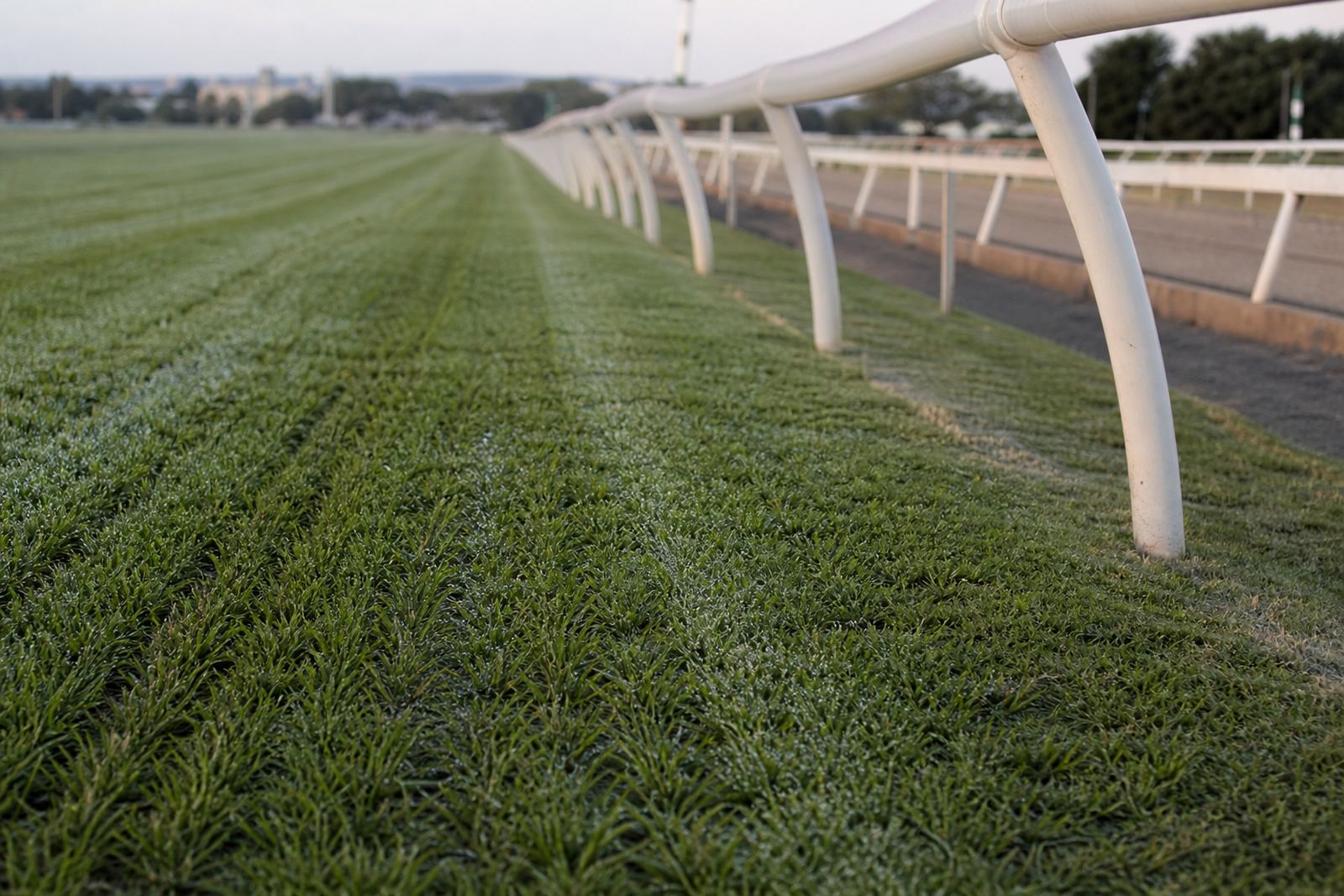
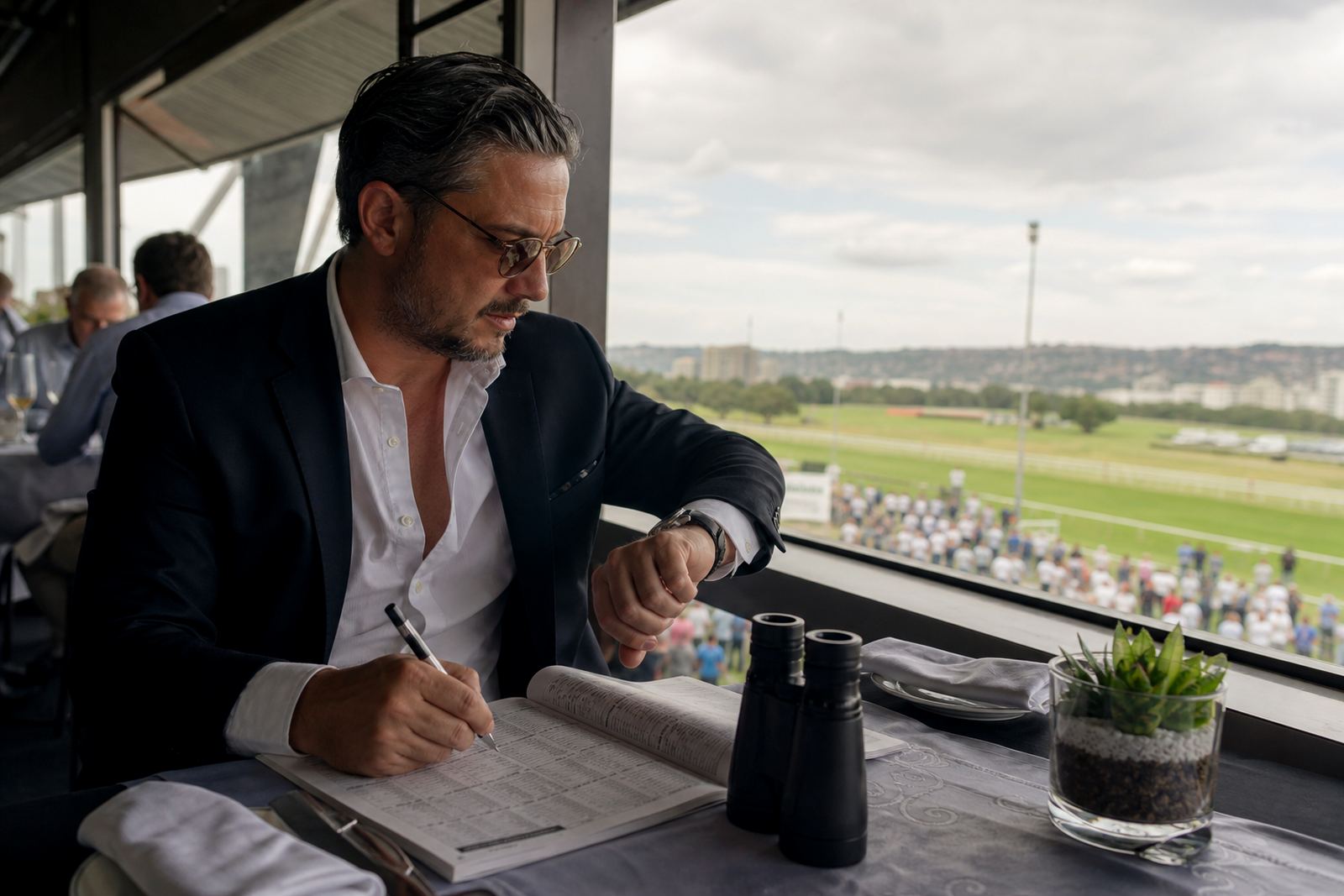
Good form reading starts with the racecard. Look at recent runs, distance, draw, track condition and how the horse has handled similar company. A runner that finishes well over 1600 metres may still need a different setup over 1400 metres, so context matters. Check whether the horse has been racing on firm ground, softer going or a surface that suits it better.
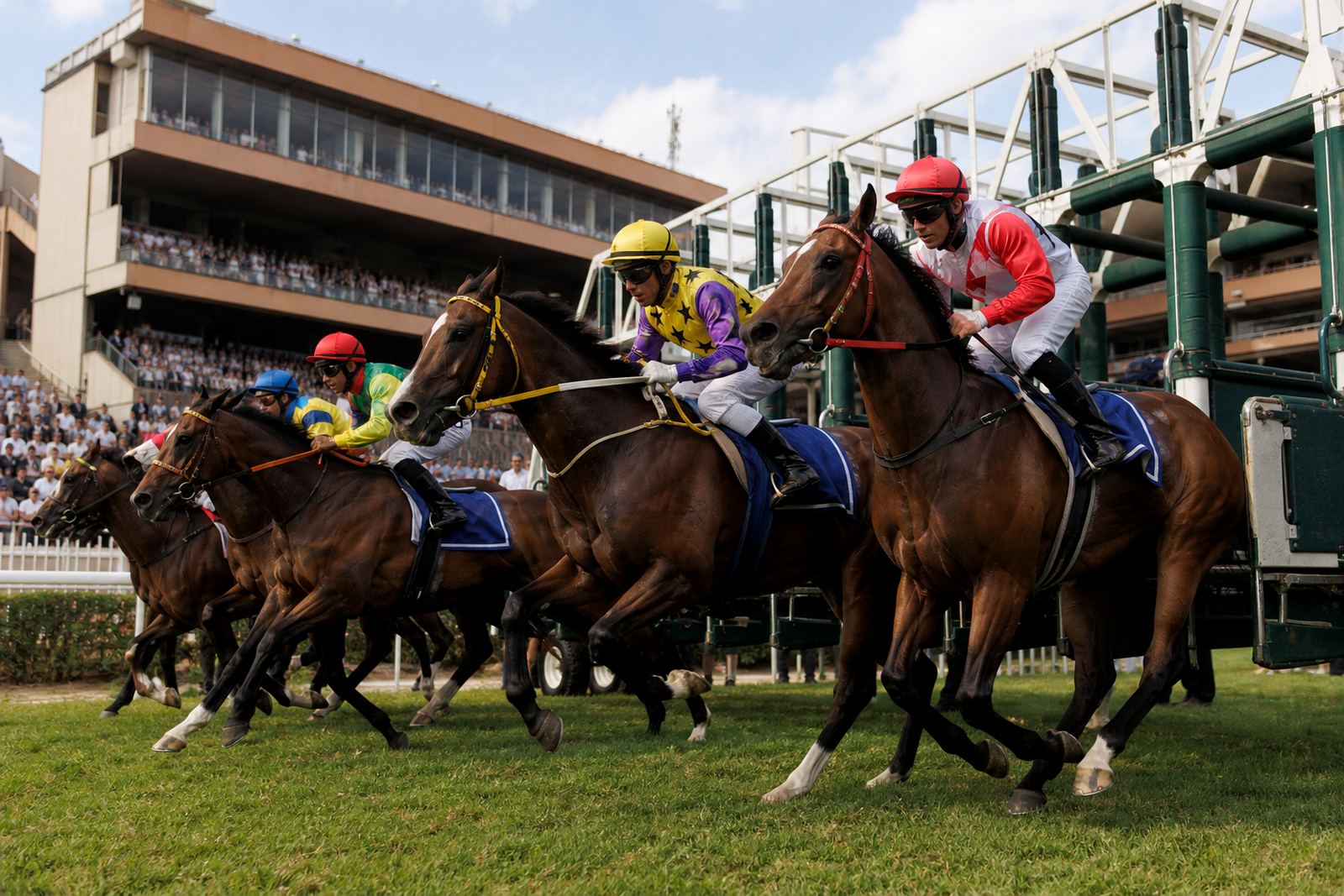
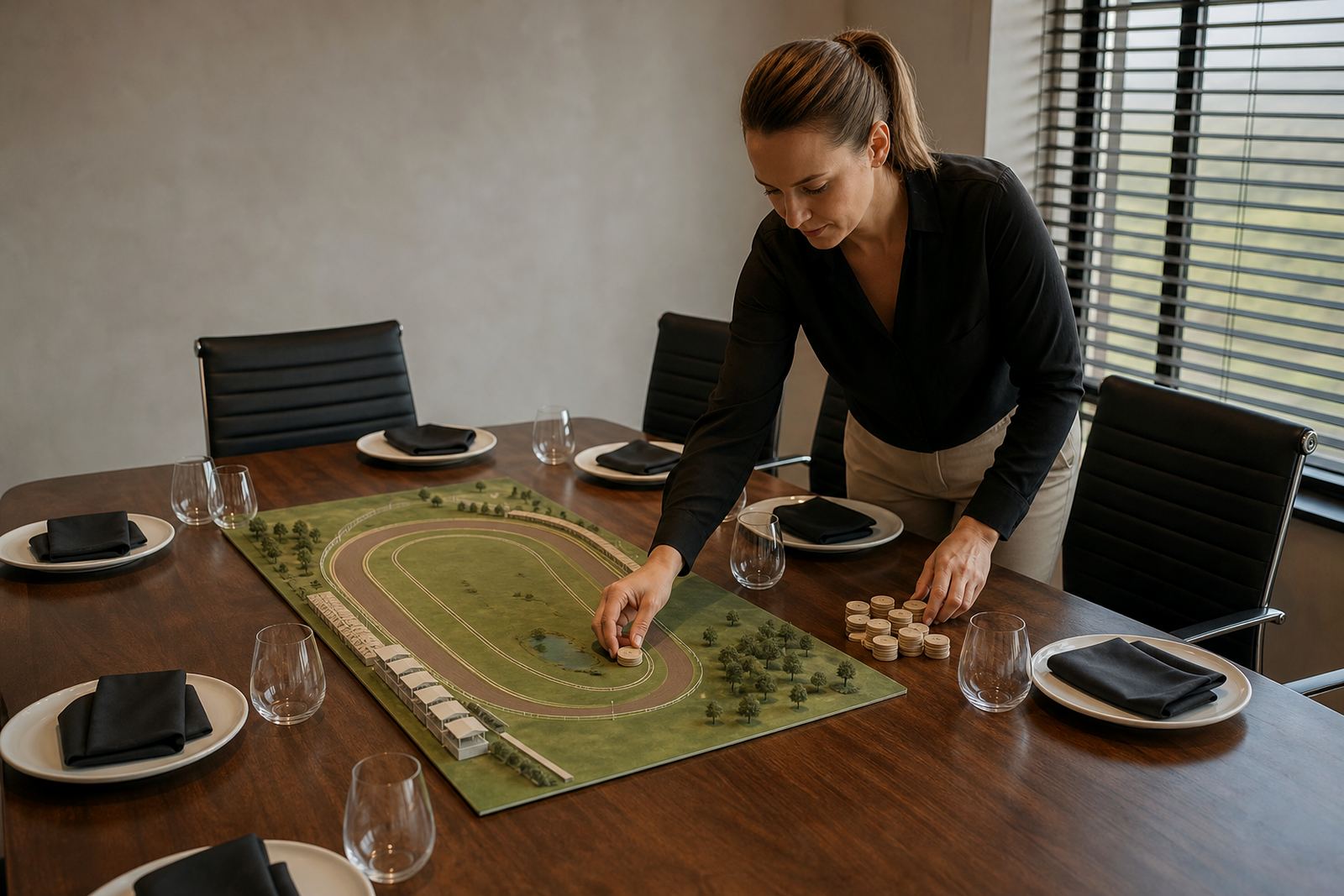
We also look at pace. A race can change quickly if there is early speed up front or if the field is likely to go slowly and sprint late. Form is not just about who won last time, it is about whether that effort fits today's race shape and conditions.
- Recent form tells part of the story, not the full picture.
- Track conditions can change your view of a runner quite a bit.
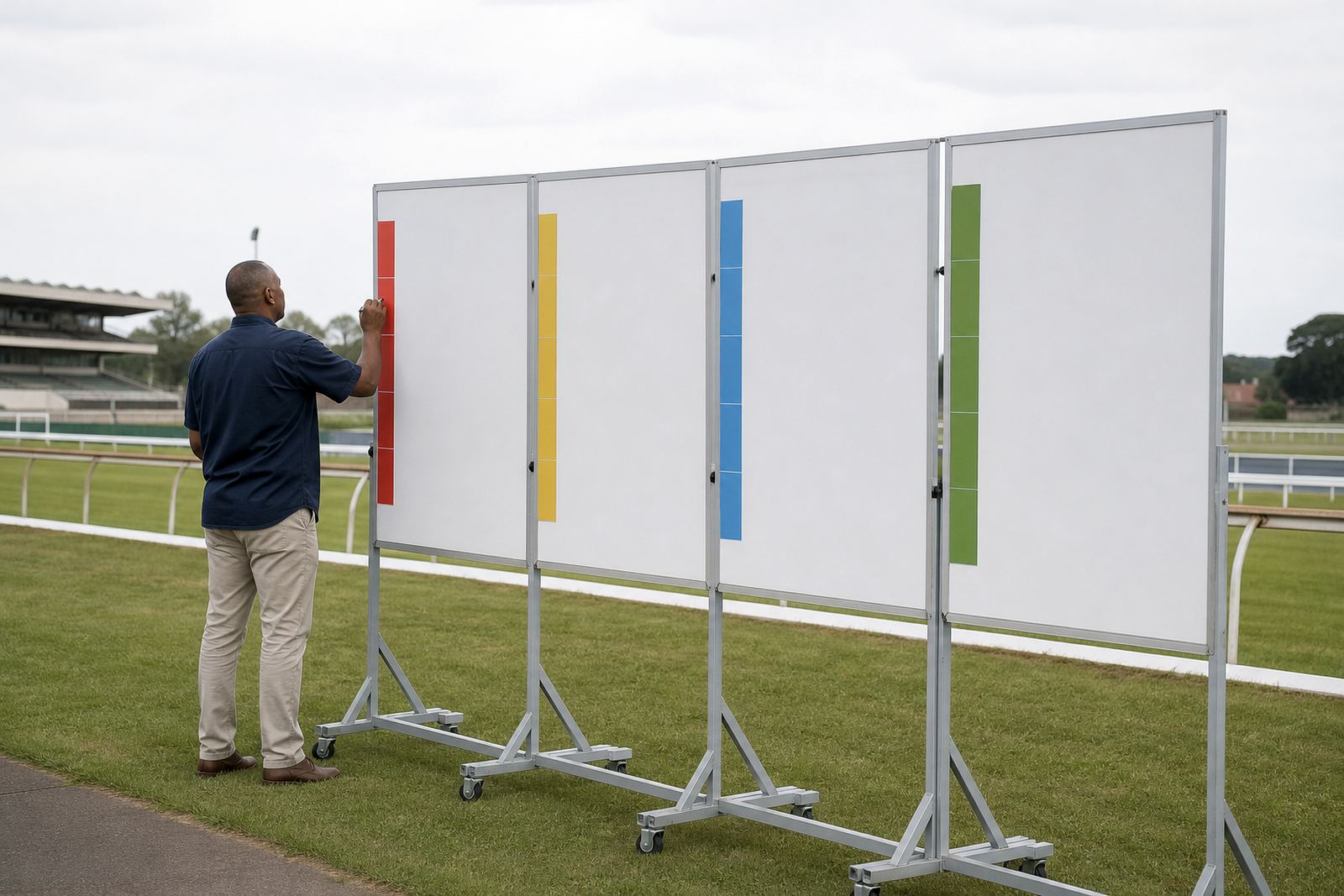
- Pace maps help you see who may get the run of the race.
What To Expect On Race Day
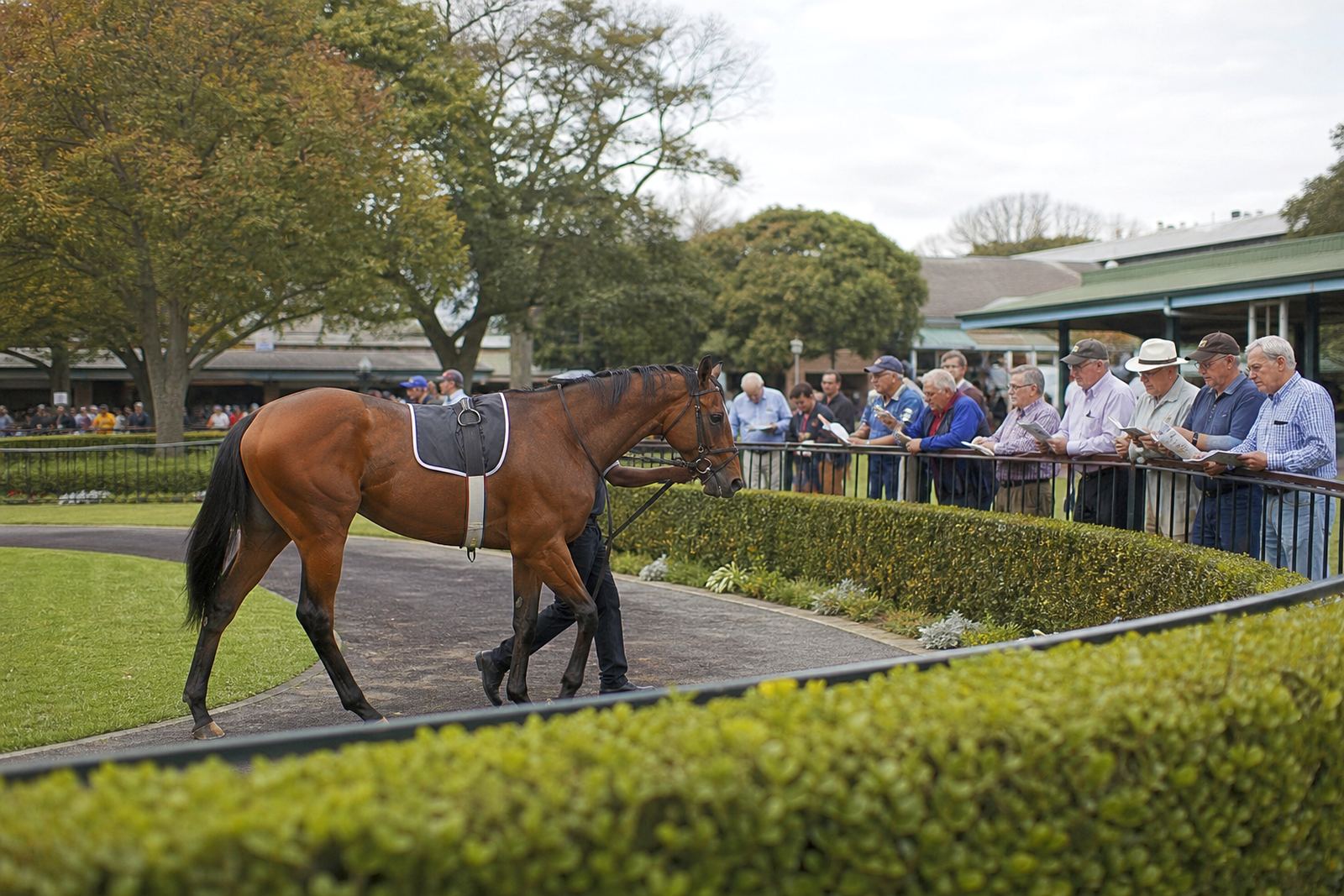
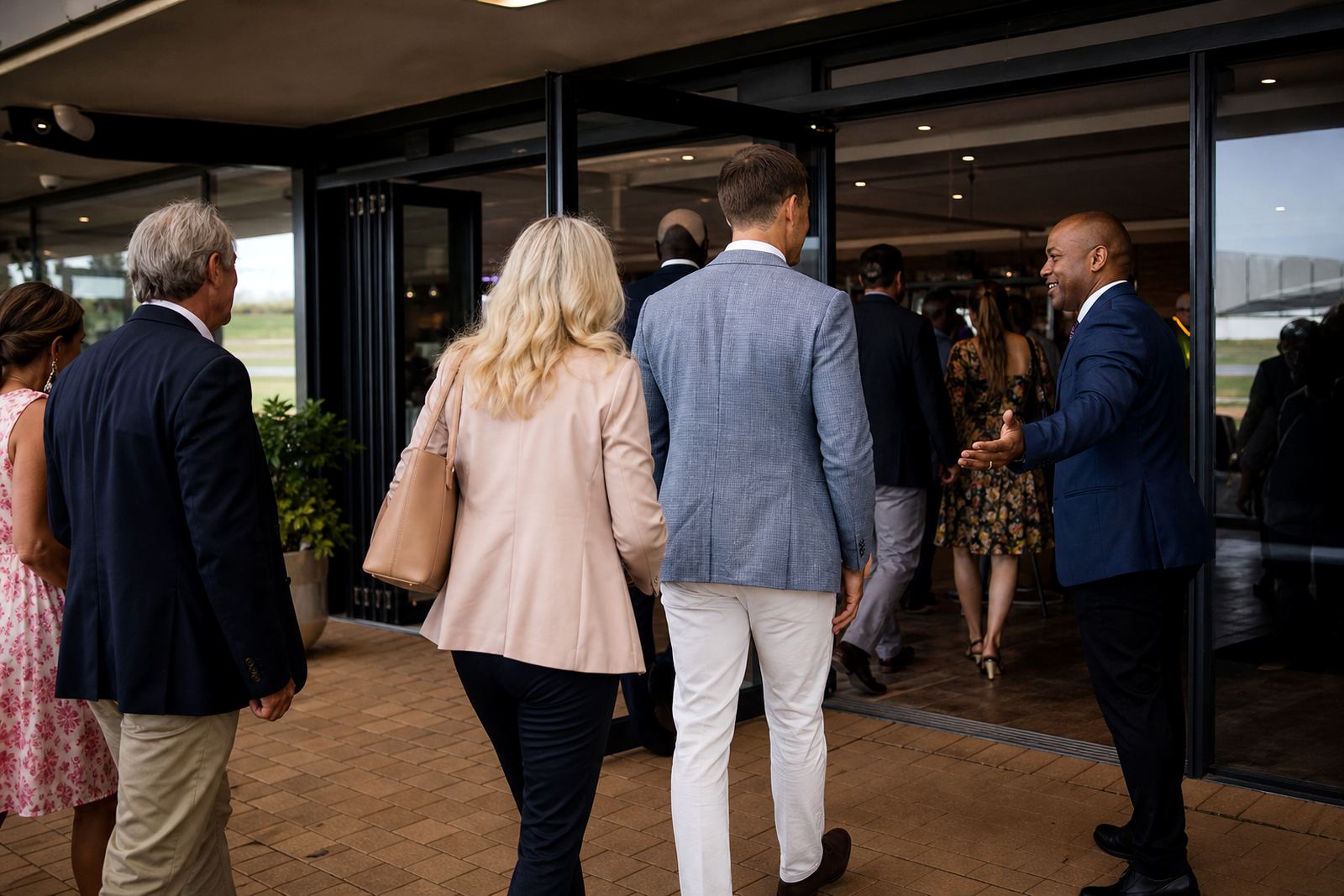
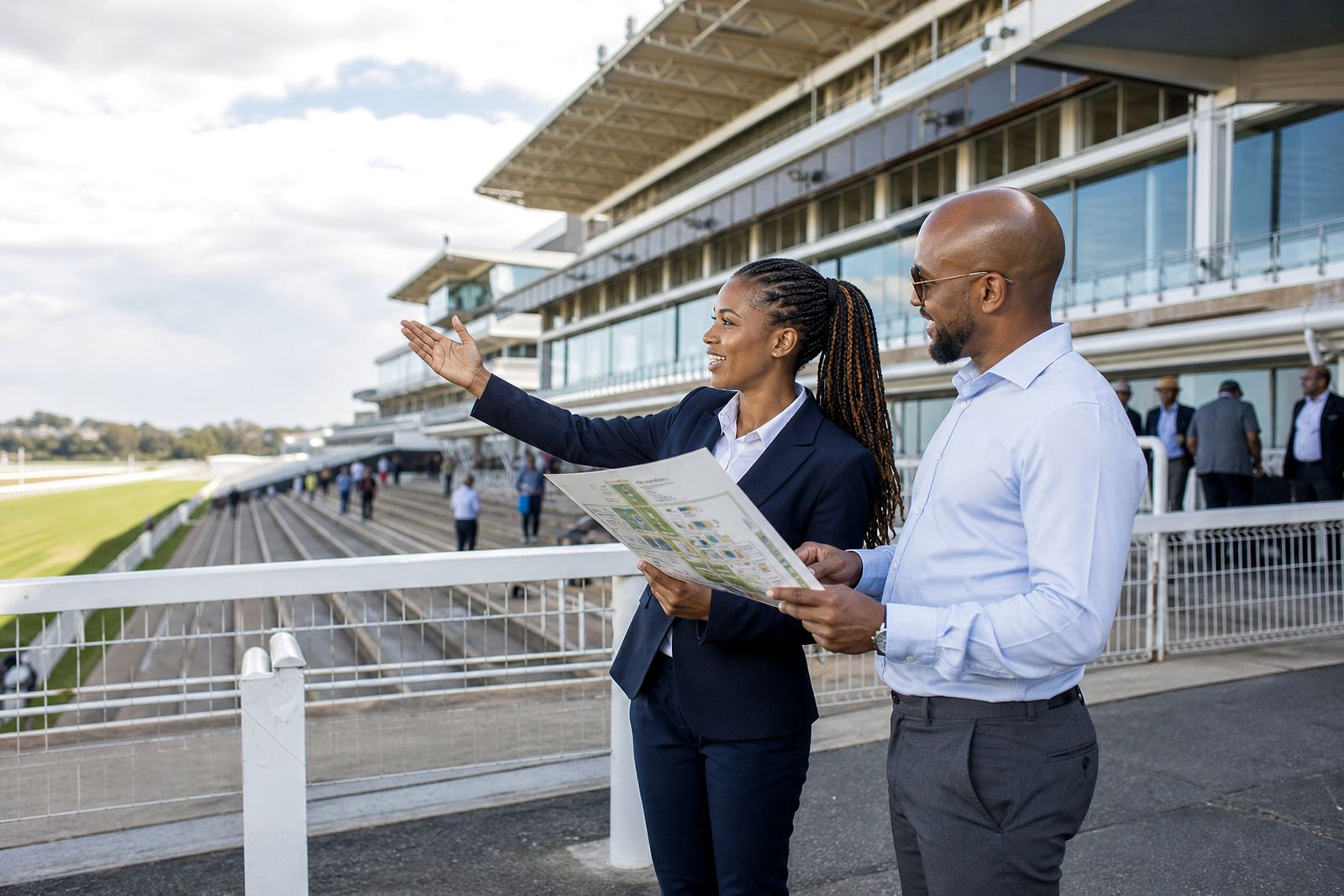
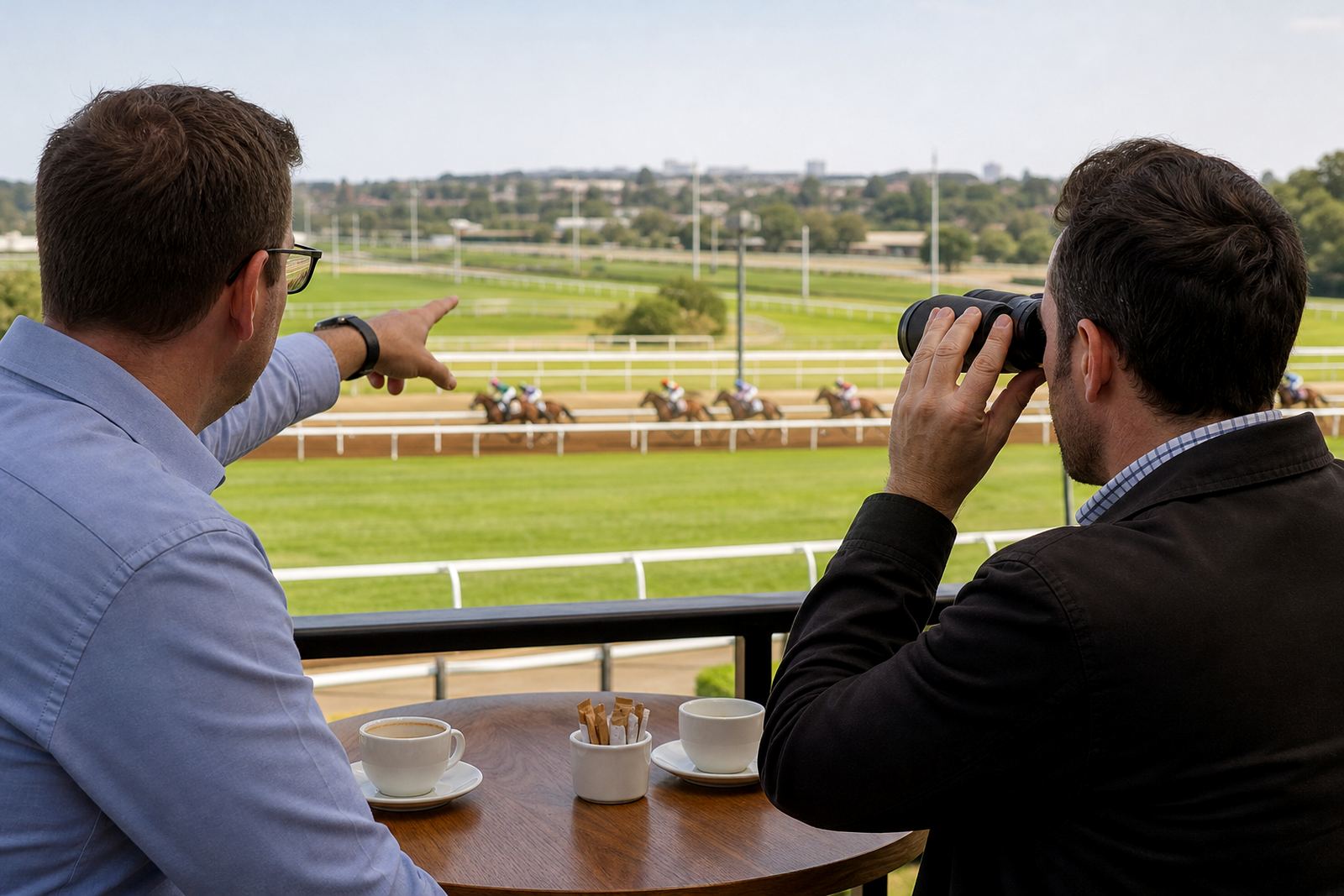
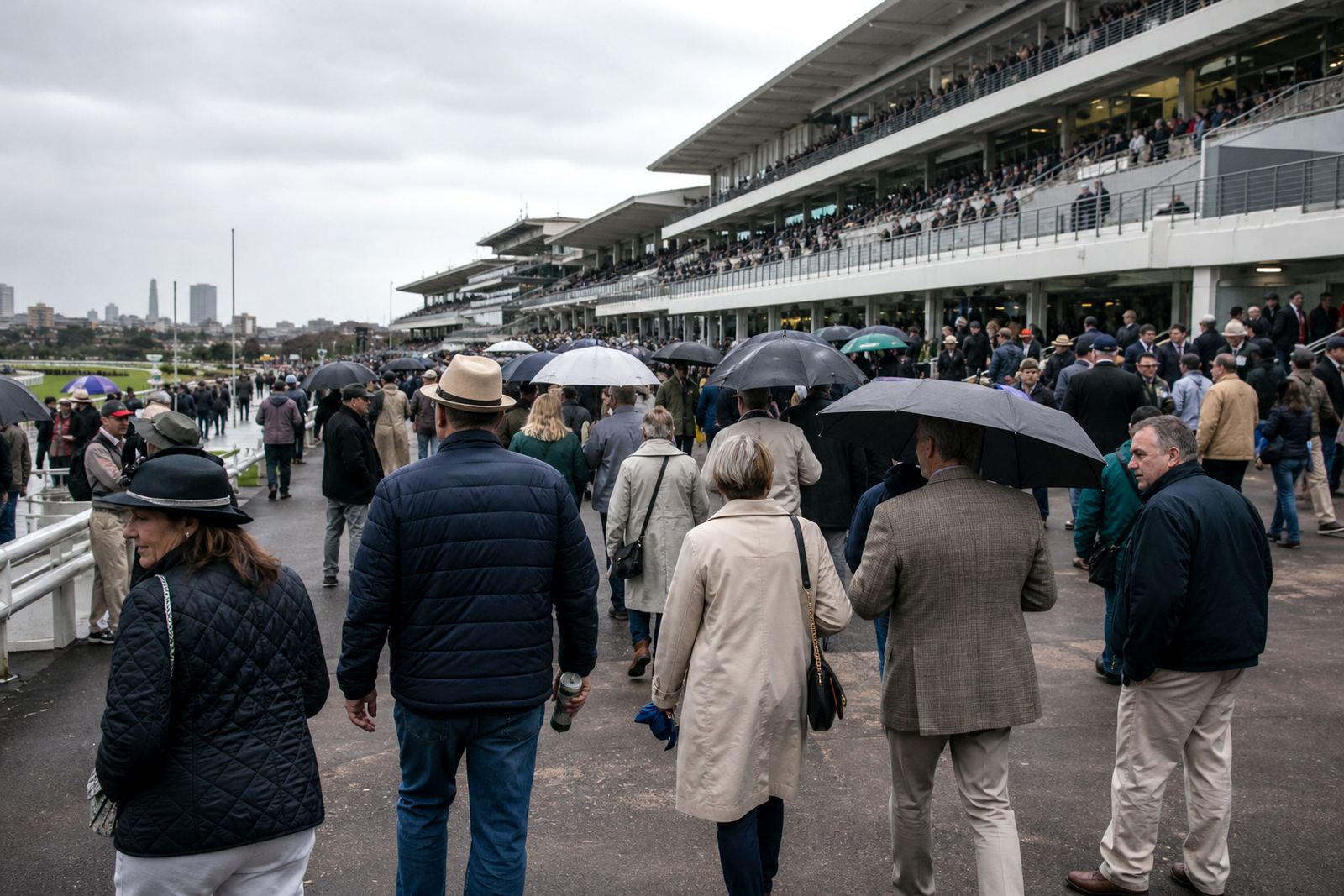
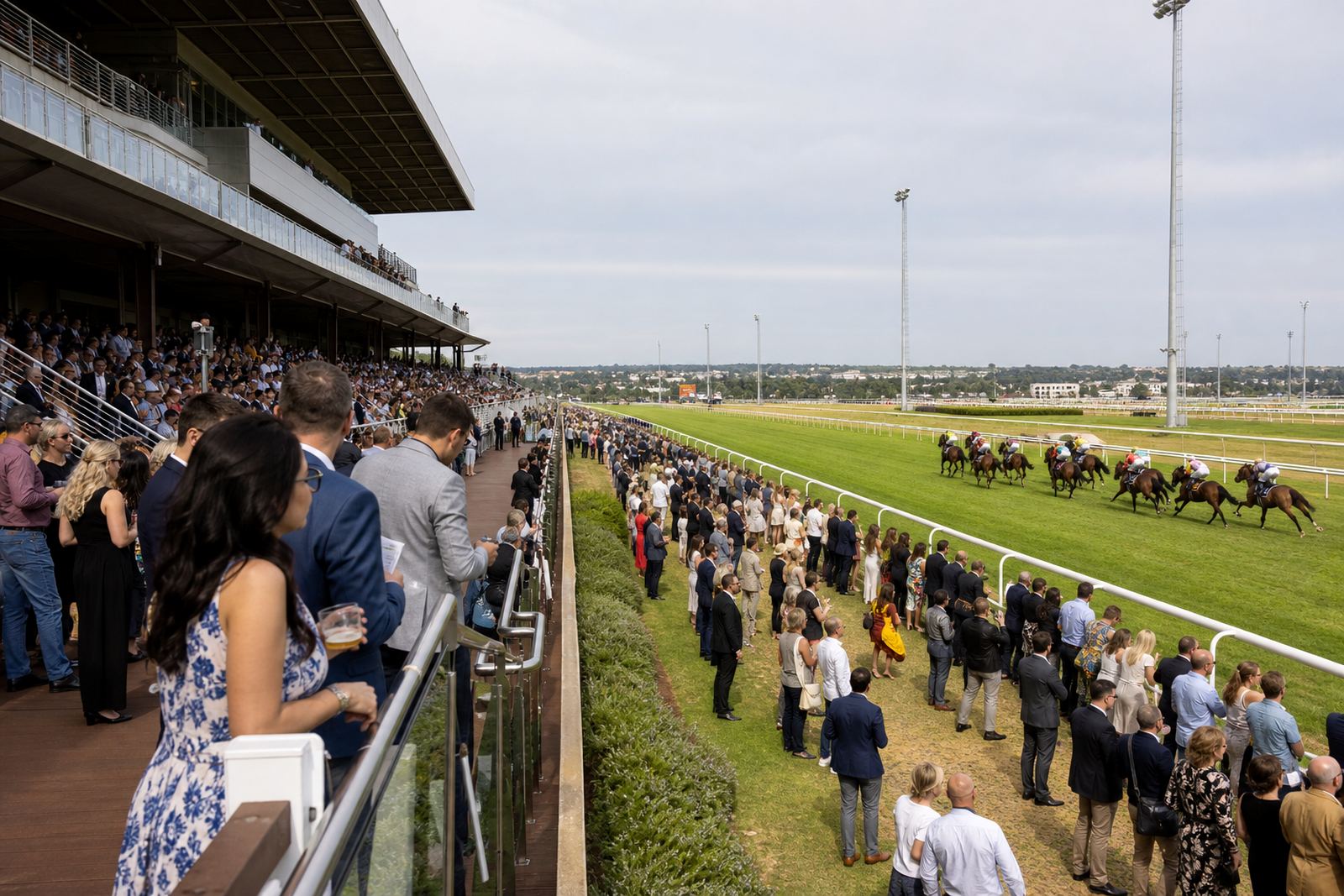
Race day works best when everyone knows the basics. Arrive with enough time to find your entrance, collect tickets or hospitality details, and settle in before the first race. Keep to marked areas, follow venue rules and be considerate when moving around viewing points, betting areas and dining spaces.
At the track, a calm approach helps. Speak clearly at counters, keep walkways clear and give families and older racegoers space where needed. If you are in hospitality, dress neatly and check what is included so you do not miss meal times, reserved seating or race viewing access.
- Keep your ticket, booking confirmation or entry details close.
- Allow extra time for traffic, parking and gate checks in Johannesburg and the other major race towns.
- Respect staff instructions, especially around restricted areas and prize-giving spaces.
Hospitality Planning For Race Meetings
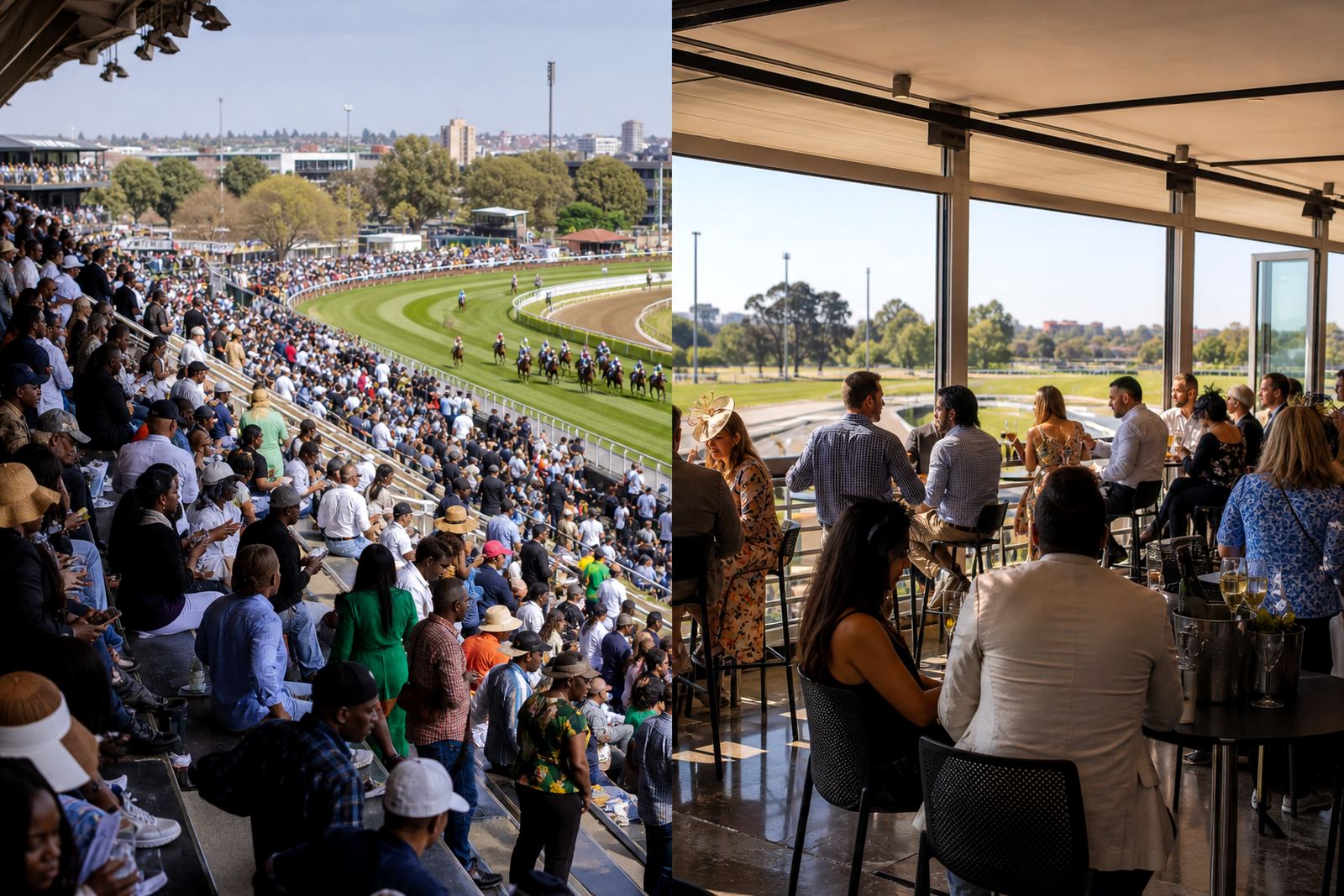
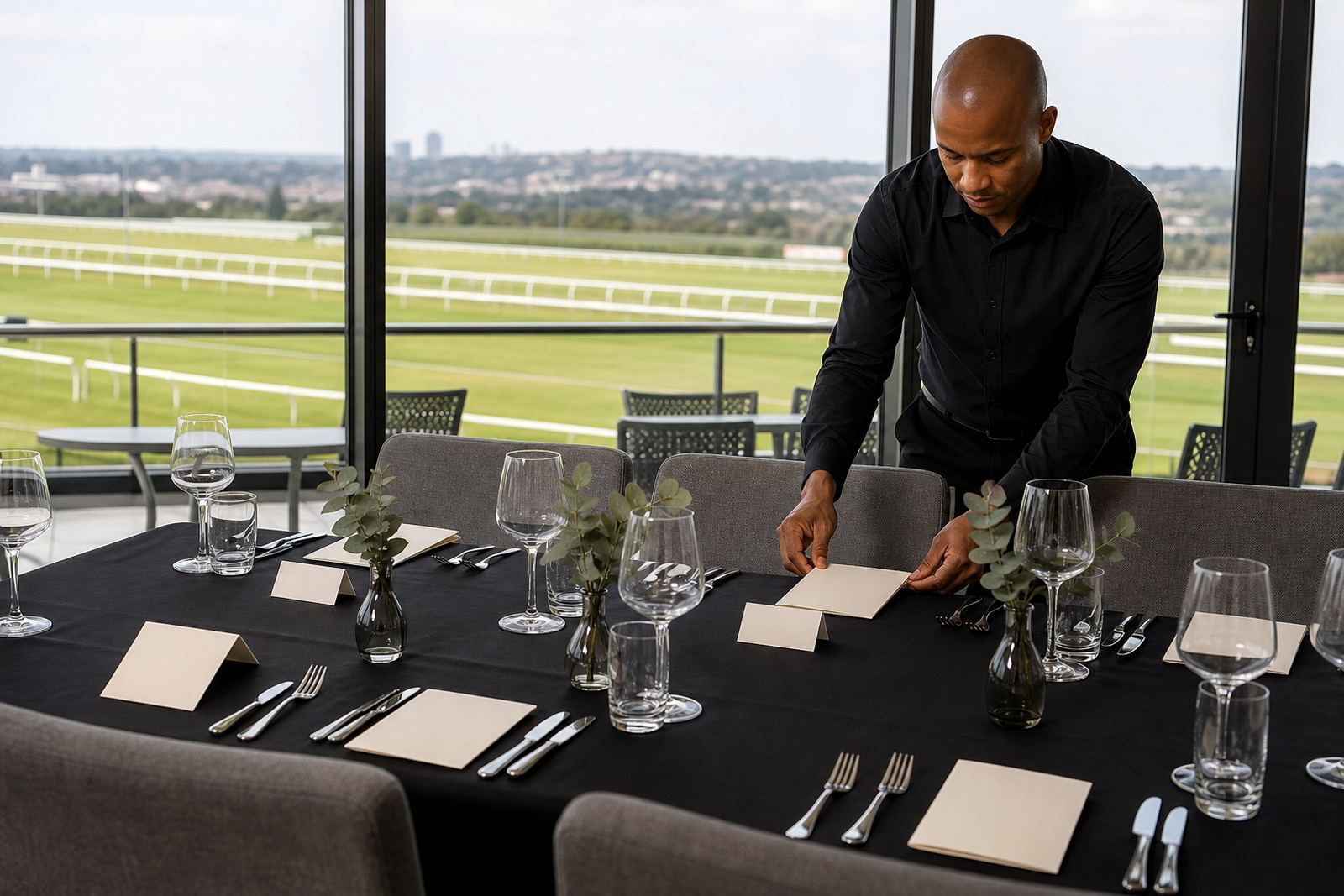
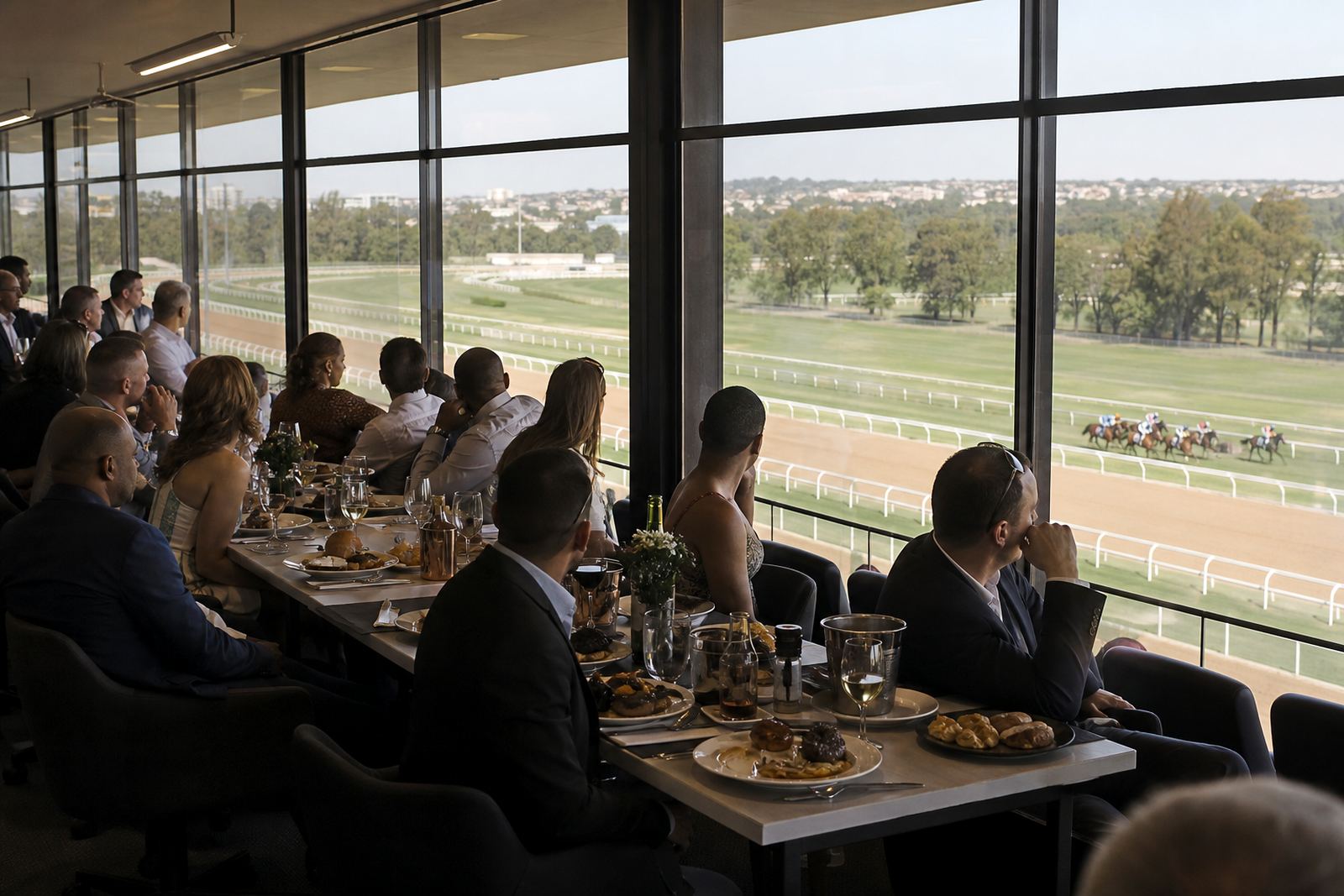
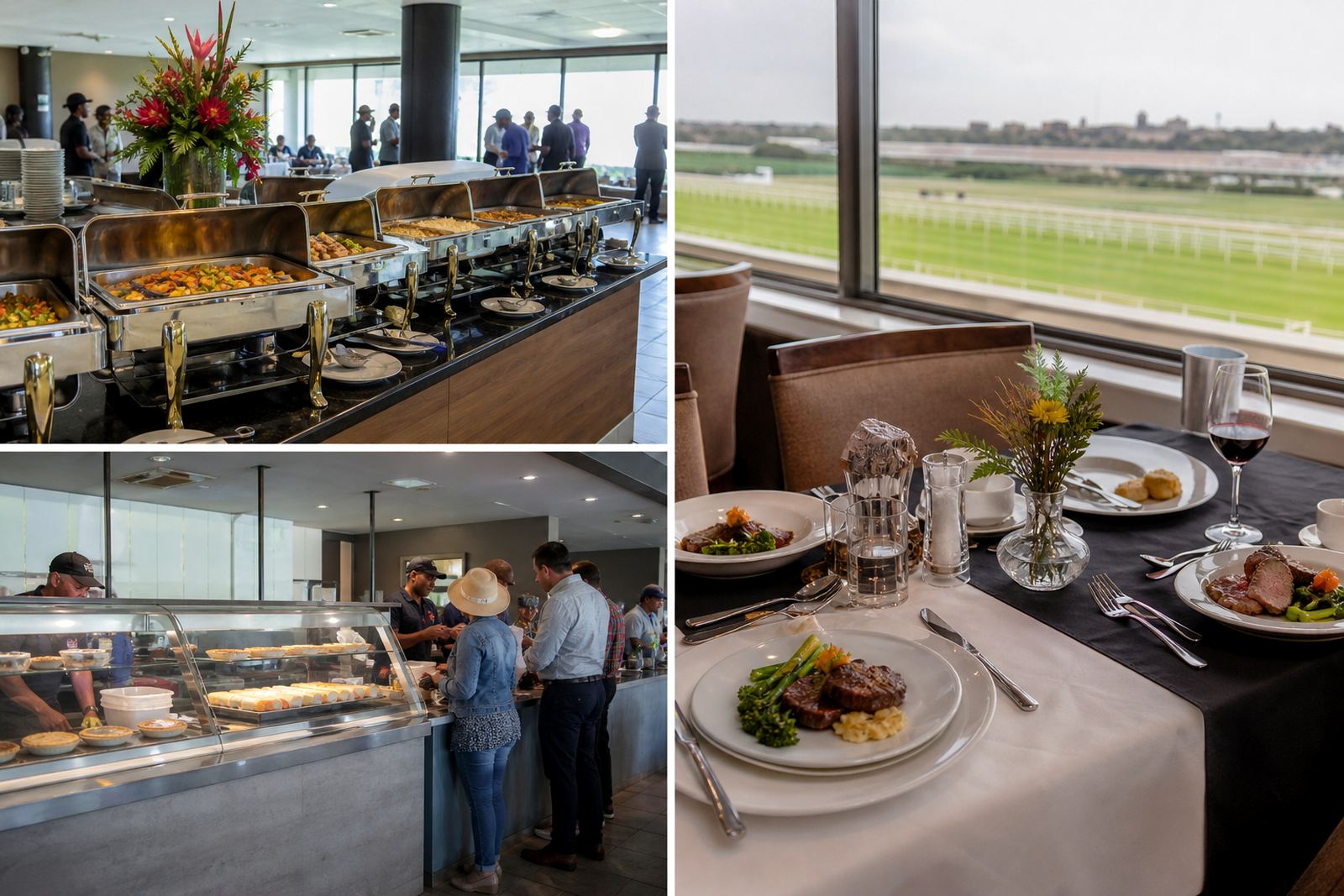
Our hospitality notes are written for adults who want a well-planned race day, whether the meeting is in Johannesburg or further afield. We consider seating, meal times, viewing access and how to move between the course, dining area and betting points without rushing. For clients travelling from Rosebank, Sandton, Midrand, Randburg, Bedfordview, Pretoria, Centurion or Kempton Park, good planning makes the day much easier.
Hospitality works best when the details are clear. That includes arrival time, dress code, what is covered in the package and how weather may affect the day. Coastal humidity in Durban or Cape Town, or a windy afternoon in Port Elizabeth, can change what you want to wear and where you prefer to sit.
- Check whether your booking is for lunch, trackside viewing or a private space.
- Ask about access for older guests or visitors who need easier movement around the venue.
- Plan for weather, shade and a comfortable return trip home.
Notes For New Punters
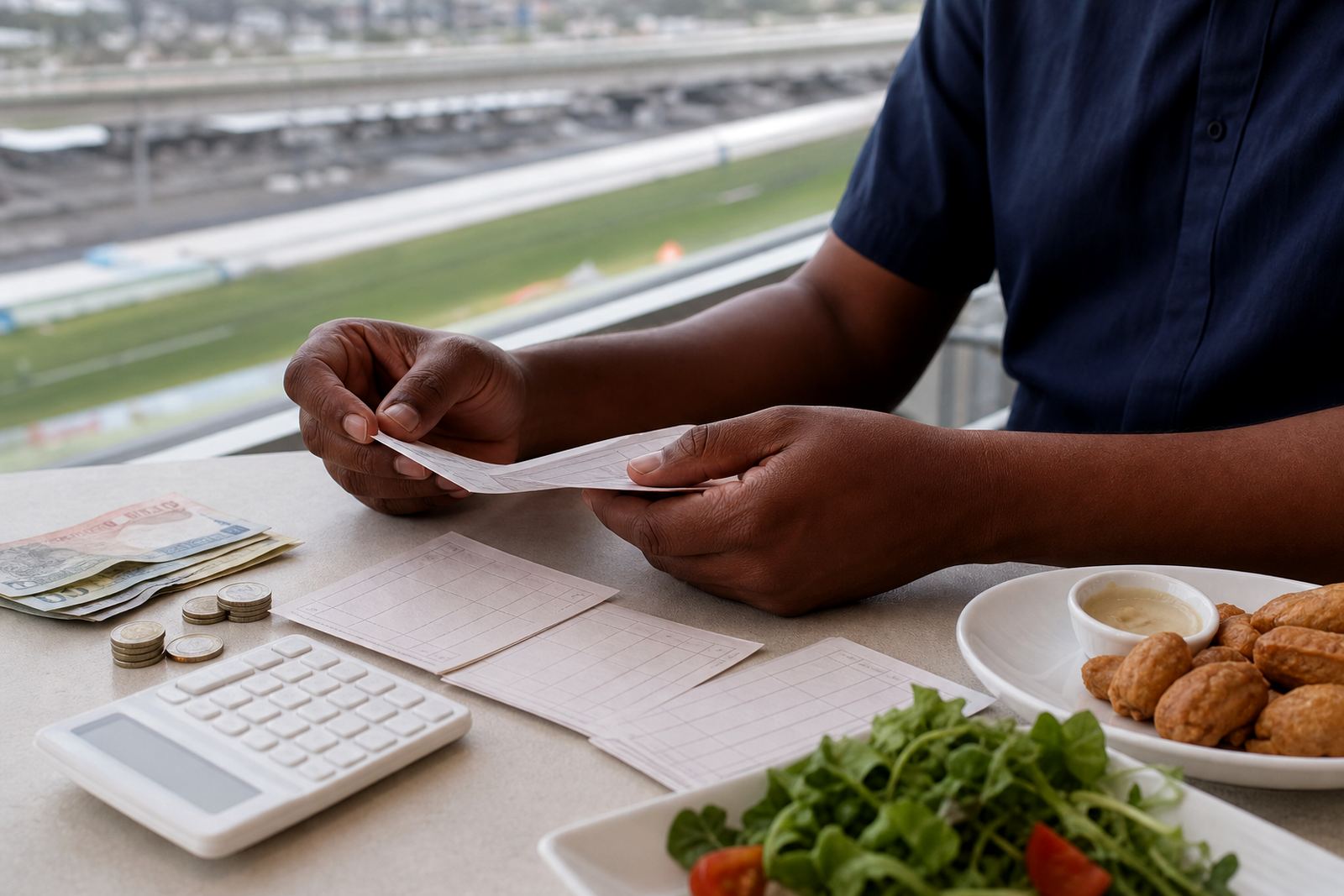
If you are new to racing, the best place to start is not with a big bet, but with understanding the race. Learn what a racecard shows, how barriers affect some races, and why a horse can improve or regress from one run to the next. A few clear notes can save confusion and make the whole day more enjoyable.
Our novice punter support keeps things plain. We explain terms such as maiden, handicap, feature race and shortlist in everyday language, so you can follow the action without feeling lost. You do not need to know everything at once, and it is fine to ask questions before placing any bet.
- Read the racecard before you arrive if you can.
- Start with one meeting or one race at a time.
- Set a limit and stick to it. Only bet what you can afford to lose.
Responsible Betting And Practical Limits
Betting should stay part of the entertainment, not turn into pressure. Use the Journal to make informed decisions, then choose your limits before racing starts. If you are feeling rushed, tired or emotional, it is better to step back and wait for another race or another day.
We keep betting guidance practical and adult-focused, with reminders to treat every wager as a risk. There are no certain outcomes in racing, so a sensible plan matters more than chasing a result. If betting stops being enjoyable, speak to someone you trust or seek support from a responsible gambling service.
- Decide your spend before the first race.
- Do not chase losses.
- Take breaks during the meeting and keep your mind clear.
Meet The Racing House Team
Racing House is based in Rosebank, Johannesburg, with a team that handles form, hospitality, client service and race day operations. Mfundo Ngqula leads the business, supported by Mamello Mabandla, Gert Vosloo, Zainab Arendse, Nyiko Mnguni, Kubashni Gounden and Ruan Steenkamp. Together they help shape clear, useful racing content for clients across Gauteng and beyond.
If you want help with Daily Tip Notes, Weekend Preview Service, Midweek Briefing, Form Reading Support or a racecourse preview call, use the enquiry form on our contact page. The Racing Journal is here to help you understand the day better, whether you are following a meeting at Turffontein, Greyville, Kenilworth, Scottsville or Fairview.