
How pace maps help you read a race
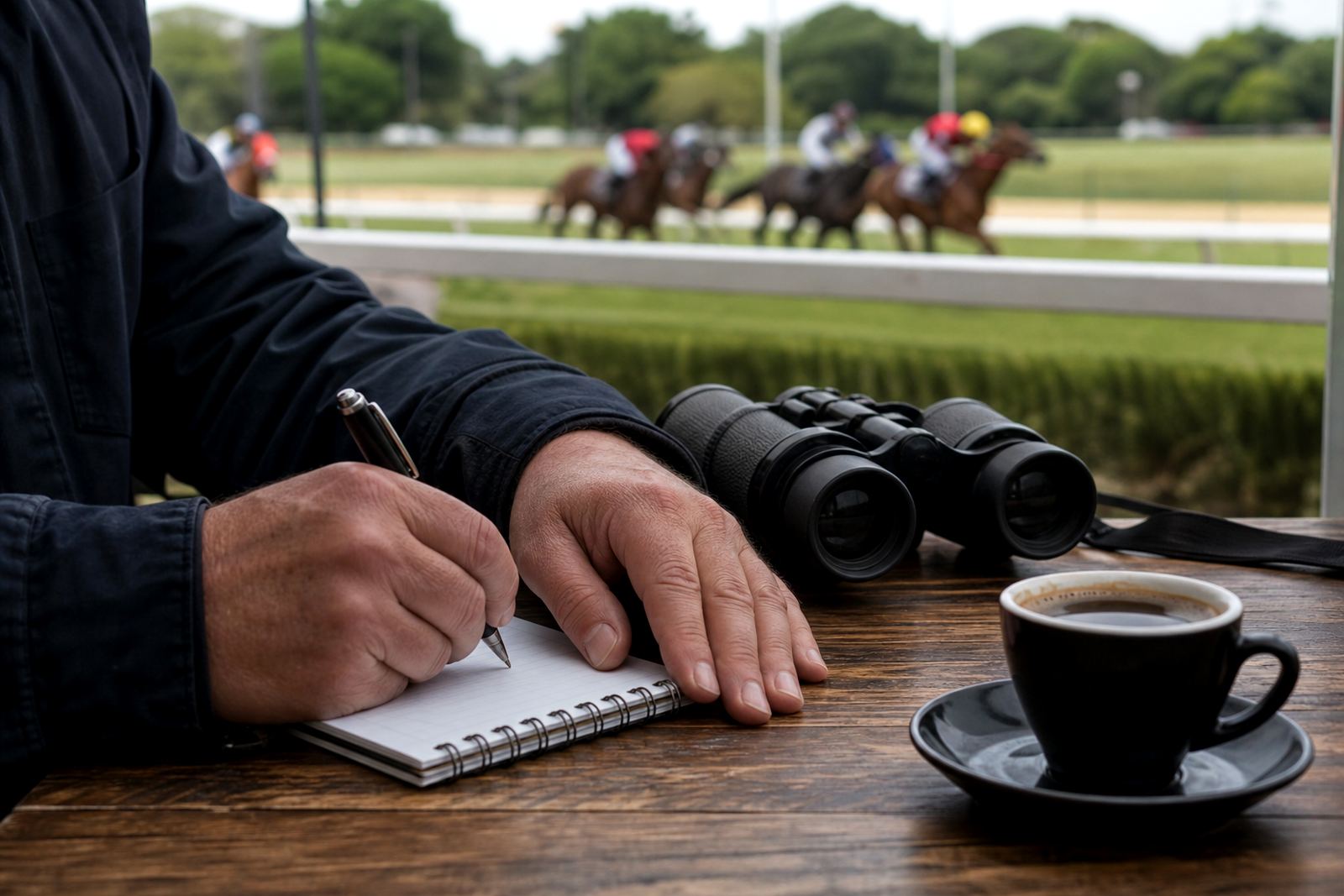
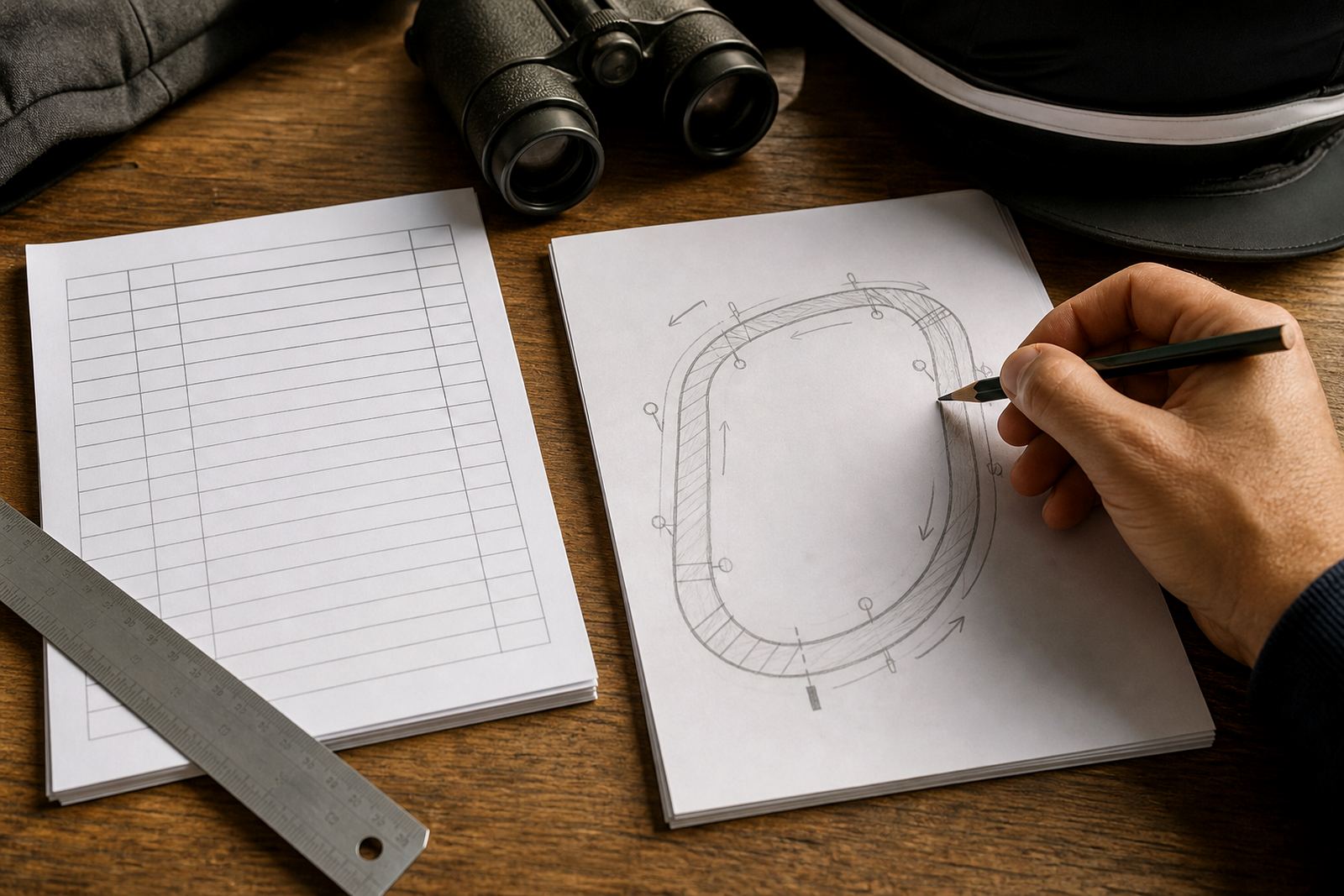
A pace map is a clear view of where runners may sit in the early stages, from leaders and handy runners to those likely to settle midfield or come from behind. For adults 18+ who already follow racing, it helps separate likely race shape from guesswork, especially in fields where a few horses want the front and others prefer cover.
We use racecard clues, recent running style and distance suitability to show where early speed may matter, where a comfortable lead could be dangerous, and where a strong gallop may suit closers. The aim is not to promise outcomes, but to give you a steadier way to compare runners before you bet. Please bet responsibly and only if it fits your budget.
What is included in the Pace Map Notes service
This service is built for race-day use and for planning ahead. It is especially useful for Turffontein, Greyville, Kenilworth, Scottsville and Fairview, where track shape, rail position and distance can change how a race unfolds. The notes are written in plain English so you can use them quickly on a busy racecard.
- Simple race-shape view for each selected race
- Early speed ratings by running style, not by hype
- Likely settling positions from the break to the first bend
- Short notes on whether the pace may suit front-runners or closers
- Track condition pointers where rain, wind or firm ground may affect the first section of the race
- Racecard shortlist support for punters who want a cleaner view of the field
How we build the pace picture
We start with the card and work through each runner’s recent pattern, draw, distance and course demands. From there, we compare how the field may map early, which horses are likely to push forward, and which ones may settle behind the speed. That matters on sharper tracks, on long straight courses, and when the inside lanes or outside lanes play better than usual.
Our approach is practical. We look at horses stepping up in trip, those dropping back, and runners returning after a break. We also factor in when a meeting might be affected by load-shedding timing, late weather changes, or a changing surface after irrigation or rain. The result is a concise guide that helps you understand pace without overcomplicating the card.
Turnaround times and delivery format
Pace Map Notes are issued in time for race-day planning, with turnaround based on the meeting schedule and the number of races requested. For major cards and feature meetings, the notes are prepared in advance and refreshed when non-runners, track updates or late changes affect the shape of a race. For midweek meetings, the service is kept tight and practical so you can use it before betting starts.
- Delivered as a short written briefing by meeting or by selected races
- Suitable for mobile reading on course, in the car or from home
- Can be paired with daily tip notes, form reading support or track condition notes
- Updated when scratchings or track changes alter the likely pace picture
Pricing approach for single meetings and regular use
Pricing is kept straightforward and is quoted according to the meeting, the number of races covered and whether you need a one-off preview or a regular monthly arrangement. If you are using the service for feature meetings only, the cost will differ from a recurring support package that covers multiple meetings across the month. We keep the structure simple so you know what you are paying for before you confirm.
For clients in Rosebank, Sandton, Midrand, Randburg, Bedfordview, Pretoria, Centurion and Kempton Park, the same service standards apply whether you are requesting a single racecourse preview or a broader sequence of meetings. There are no hidden extras, and any add-on support is agreed up front.
Maintenance and update intervals
Pace maps work best when they are kept current. We review the notes before each meeting and refresh them when scratchings, rider changes, draw changes or weather developments affect the expected race shape. For wet weather at coastal tracks or a drying surface inland, the early pattern can change quickly, so the update timing matters. That is why maintenance is tied to the meeting rather than left as a once-off file.
When you use Pace Map Notes as part of a longer run of services, we keep the style consistent from meeting to meeting so you can compare race shapes over time. This helps with novice punters learning how races are run, and with experienced racegoers who want a tighter pre-race view before they decide whether to bet.
Race-day use and etiquette at the track
If you are heading to Turffontein, Greyville, Kenilworth, Scottsville or Fairview, pace notes are most useful when combined with good race-day habits. Arrive early, check the latest scratches, keep your tickets safe and avoid crowding the rail or blocking others at the tote windows. On-course hospitality packages are arranged with the same practical approach, so your group can settle in before the first race and move between viewing points without rushing.
- Read the pace map before placing a bet, not after the race starts
- Keep your stake within a set limit for the day
- Respect stewards, staff and other racegoers
- Use the notes as guidance, not as a certainty
Responsible betting matters. If betting stops being fun or starts causing stress, step back and make a fresh plan before the next meeting.
Key facts
| Service format | Written pace map briefing for selected races or full meetings |
|---|---|
| Coverage | South African racecourses including Turffontein, Greyville, Kenilworth, Scottsville and Fairview |
| Primary use | Early speed, settling position and race-shape guidance |
| Turnaround | Prepared before the meeting and refreshed for late changes |
| Pricing model | Quoted per meeting, race count and support level |
| Update interval | Before each meeting and again when scratchings or track conditions change |