
Why a quiet corner matters on race day
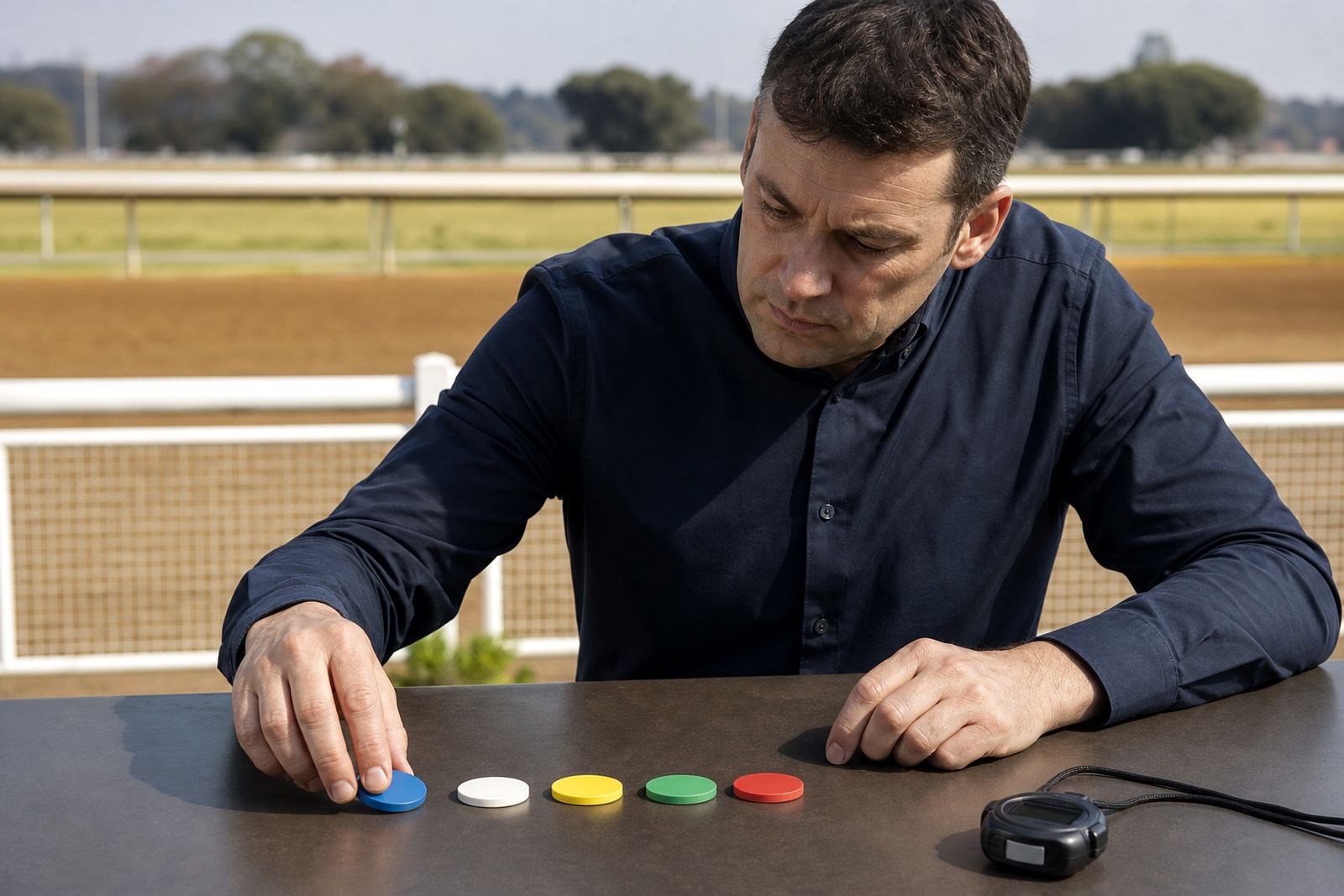
Horse racing moves quickly once the meeting is underway. There are declarations, scratches, late track changes and constant movement around the parade ring, so it helps to have a place where you can sit down and read properly. A quiet study space is not about hiding from the day, it is about giving yourself a few minutes to compare runners, check the going, and decide what matters before the next race starts.
At Turffontein or Greyville, the noise level can rise fast once the crowd builds. If you are trying to read form from a screen or printed racecard while standing near the rail, you miss small details. In a calmer spot you can look at the draw, the class of the race, recent finishing positions and whether a horse looks more suited to a stronger pace. That extra focus often helps more than any rush to place a bet.
How to read form when you have a few quiet minutes
Form reading becomes easier when you break it into small parts. Start with the basics, then move to the details. A horse with consistent recent runs, a suitable distance and a fair draw may deserve a closer look, but every race still needs context. A slow run behind a solid pace can be more encouraging than a plain finishing position suggests.
- Check the last three to five runs, not only the latest result.
- Look at distance changes. Some runners want 1 400 metres, others improve over 1 800 metres or further.
- Note track condition. Wet ground, firm turf and a yielding surface can change the shape of a race.
- Watch for class moves. A horse dropping in grade may meet easier opposition.
- Use pace notes to see whether a race has likely front-runners or a strong late tempo.
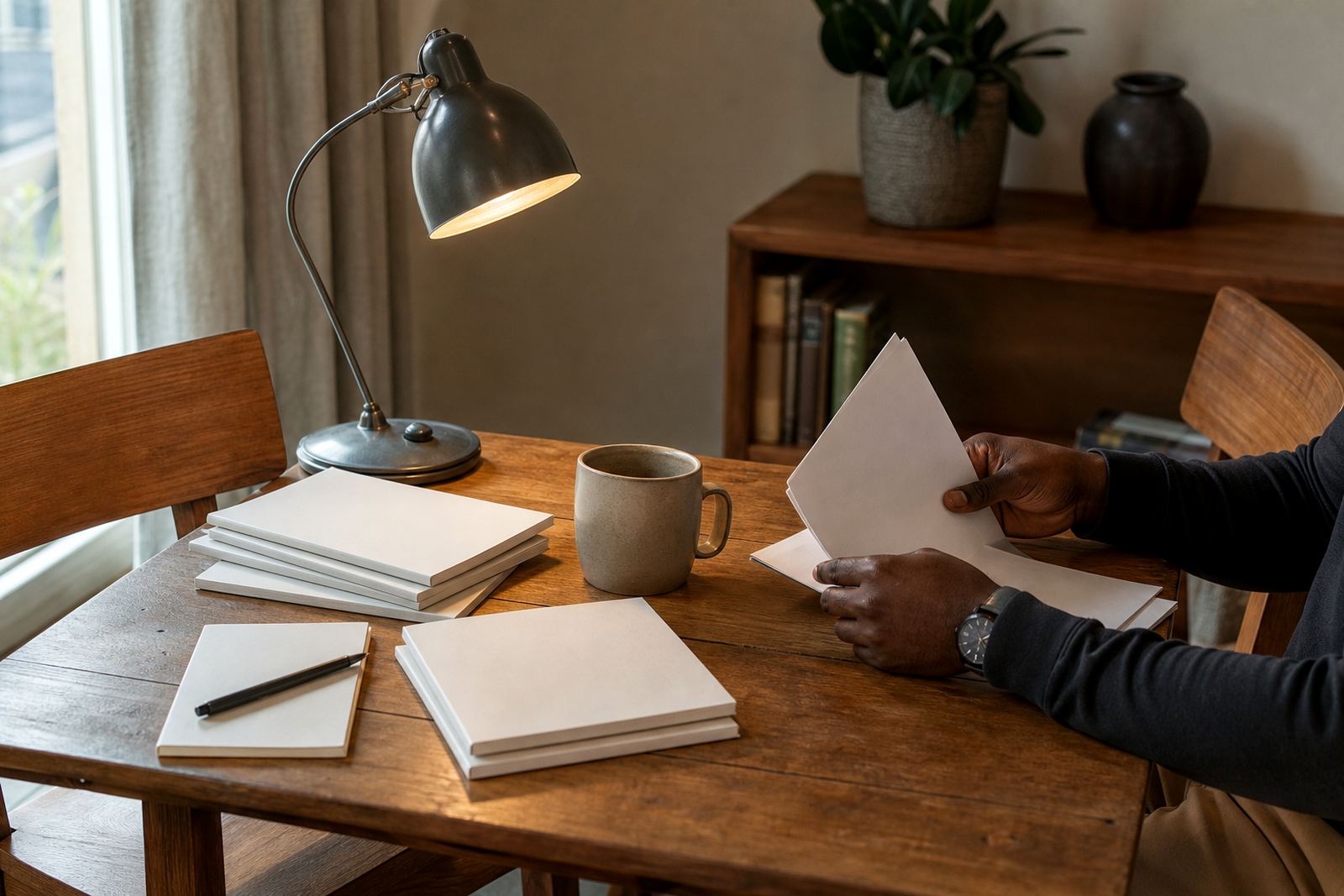
If you are new to it, keep your notes simple. One or two short comments per runner is enough. For example, “good on soft ground, better when held up” gives you a usable reminder without overloading your page. It is easier to study when your notes stay practical and tidy.
Where to settle in at the course
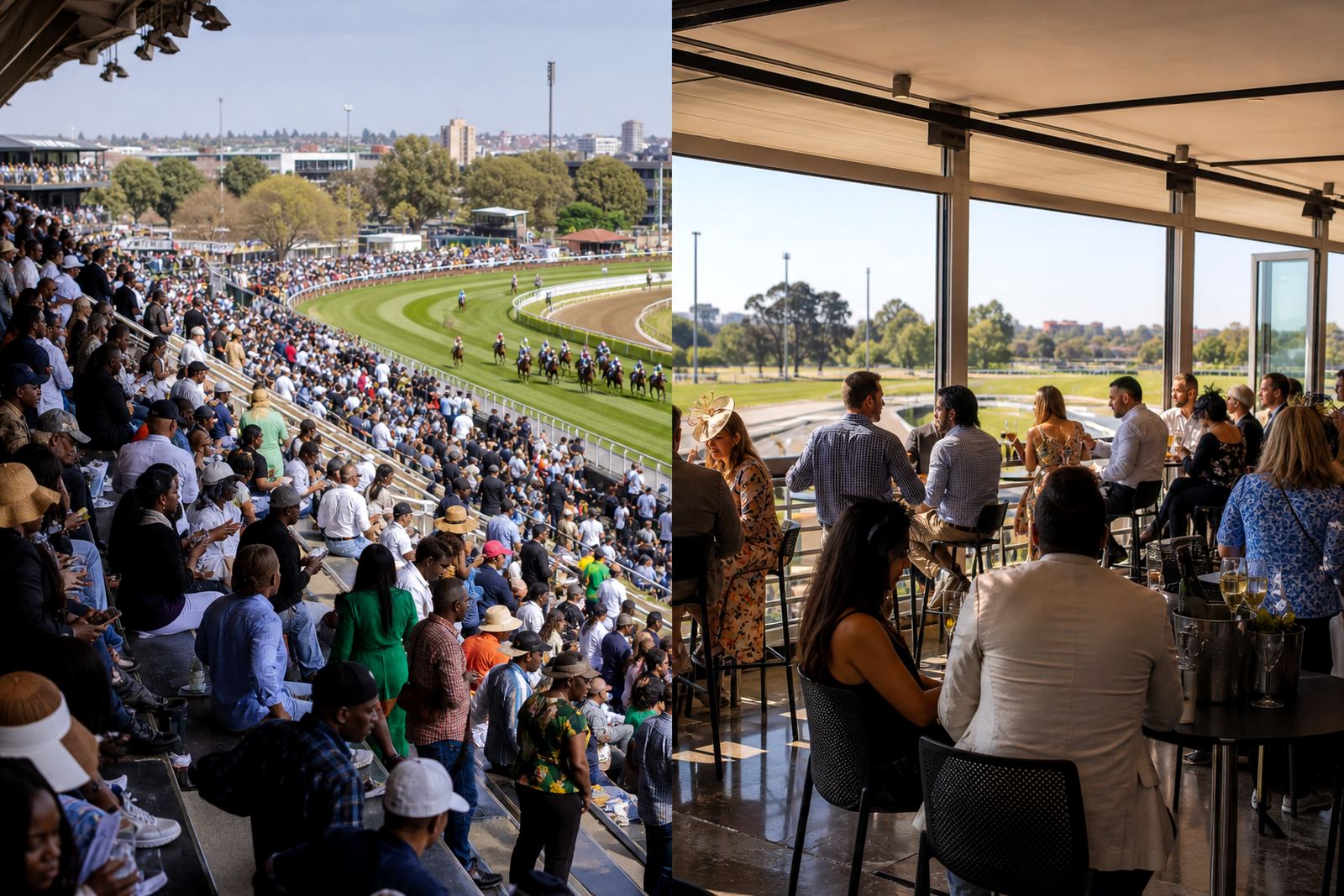
A quiet study space at the track does not need to be formal. It can be a shaded seating area, a quiet section of the hospitality deck, or a table away from the main foot traffic. In Johannesburg, Rosebank, Sandton and Randburg clients often tell us they prefer a spot where they can step away for ten minutes between races, then return to the action with a clear head.
When choosing a place, think about light, noise and movement. Harsh sun makes screen reading difficult and can tire you quickly. A seat near a wall or under cover is often better, especially on hot Gauteng afternoons. At coastal meetings like Greyville or Fairview, humidity can also make a crowded space feel heavy, so a breezier corner is often more comfortable. If you are carrying a notebook and phone, choose somewhere stable with enough room to spread out your racecard and not get bumped every few seconds.
- Arrive early if you want a good seat before the first race.
- Keep a pen, charger and water close by.
- Put your racecard and notes in the same place each meeting.
- Choose a spot with easy access to the tote area, bar or viewing rail if you want to move between study and action.
Race-day etiquette in shared spaces
Quiet study spaces work best when everyone respects the room around them. At the track, that means keeping voices low in seating areas, not blocking walkways, and being patient when others are trying to read or chat. A race meeting has its own rhythm, and a bit of courtesy keeps it pleasant for everyone.
If you are with friends, agree on a simple routine before the meeting starts. One person can hold the programme while another checks the time to the next race, then you can swap notes. If you need to take a call or discuss betting options, move away from the packed area first. It is a small thing, but it keeps the atmosphere calm and makes it easier for others to focus too.
For hospitality guests, the same rules apply. Food service and race viewing should feel relaxed, not rushed. If you leave your seat for a full round of drinks or to view the parade ring, keep your belongings together and return promptly so the area stays organised.
A local example from Rosebank to Turffontein
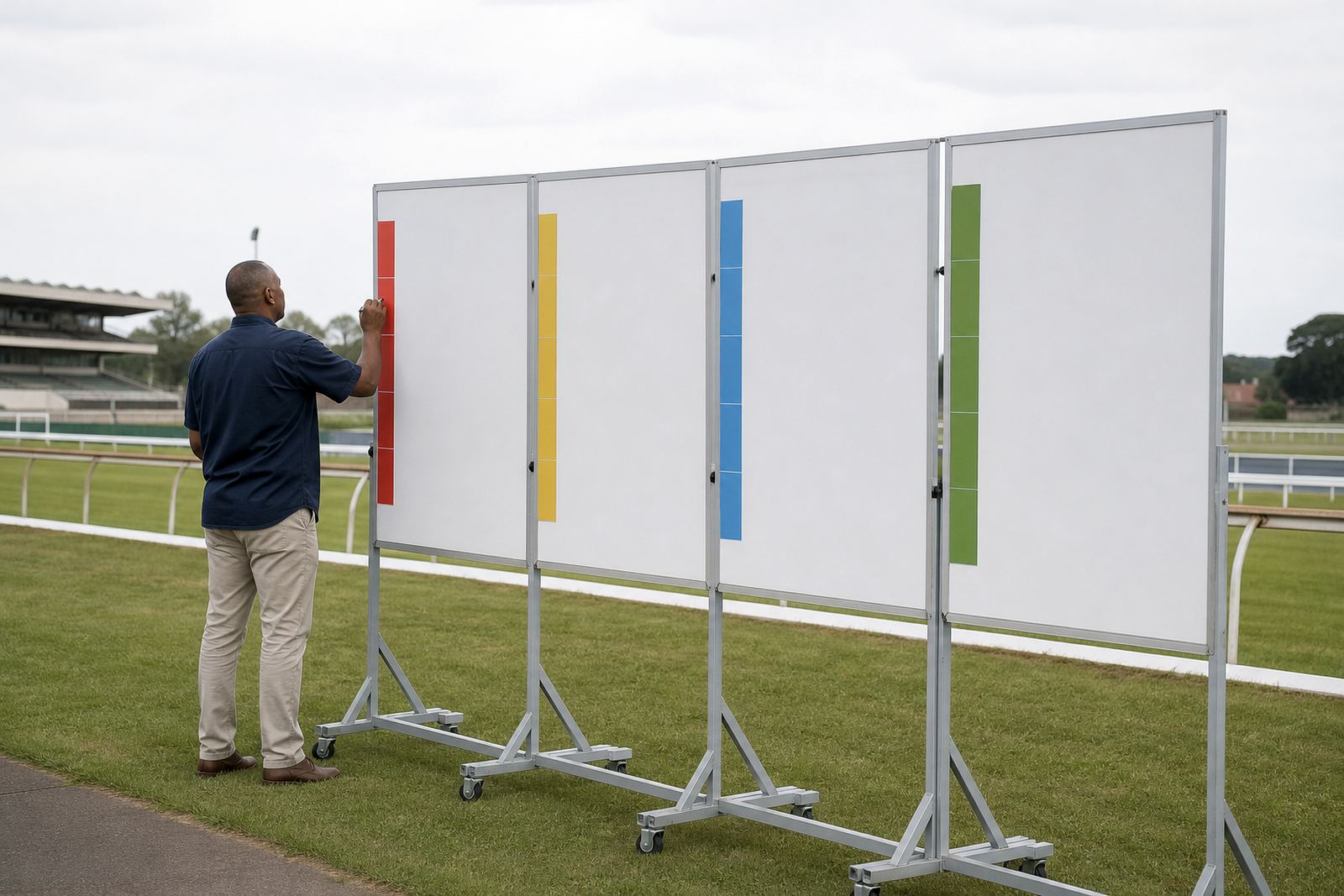
Take a Saturday meeting at Turffontein as a simple example. A punter from Rosebank might arrive with a racecard, a notebook and a short shortlist from a morning preview. Instead of trying to read everything in the middle of the crowd, they settle into a quieter area, scan the early races and compare the track condition with the pace map notes. A few runners may be stronger on a fair tempo, while others need a stronger gallop to produce their best late.
That quiet half hour can help you avoid rushed decisions. You can check whether the draw is helpful, whether the formline is holding up in similar company, and whether the race shape suits the type of horse you are backing. It is not about chasing every race. It is about being organised enough to choose with care and accept that not every runner will be a bet.
How Racing House supports calmer race-day study
Racing House works with adults who want clearer form guidance and a more organised race day. Our services include Daily Tip Notes, Weekend Preview Service, Midweek Briefing, Novice Punters Help, Form Reading Support, Track Condition Notes, Pace Map Notes, Racecard Shortlist, Hospitality Tip Brief, Racecourse Preview Call and Meeting Recap Notes. For clients in Bedfordview, Centurion, Midrand and Pretoria, that means practical information that can be reviewed before the first race or during a quieter break at the course.
Our hospitality packages also suit people who prefer structure during the day. With a proper seat, time to review the card, and support from our team, you can settle in without feeling rushed. The aim is not to crowd the day with noise. It is to give you room to think, ask questions and enjoy the meeting with a clear view of the card.
If betting is part of your day, keep it controlled and within your means. Set a budget before you arrive, and if the racing stops being enjoyable, step back. Betting should stay a form of entertainment, not a financial plan.