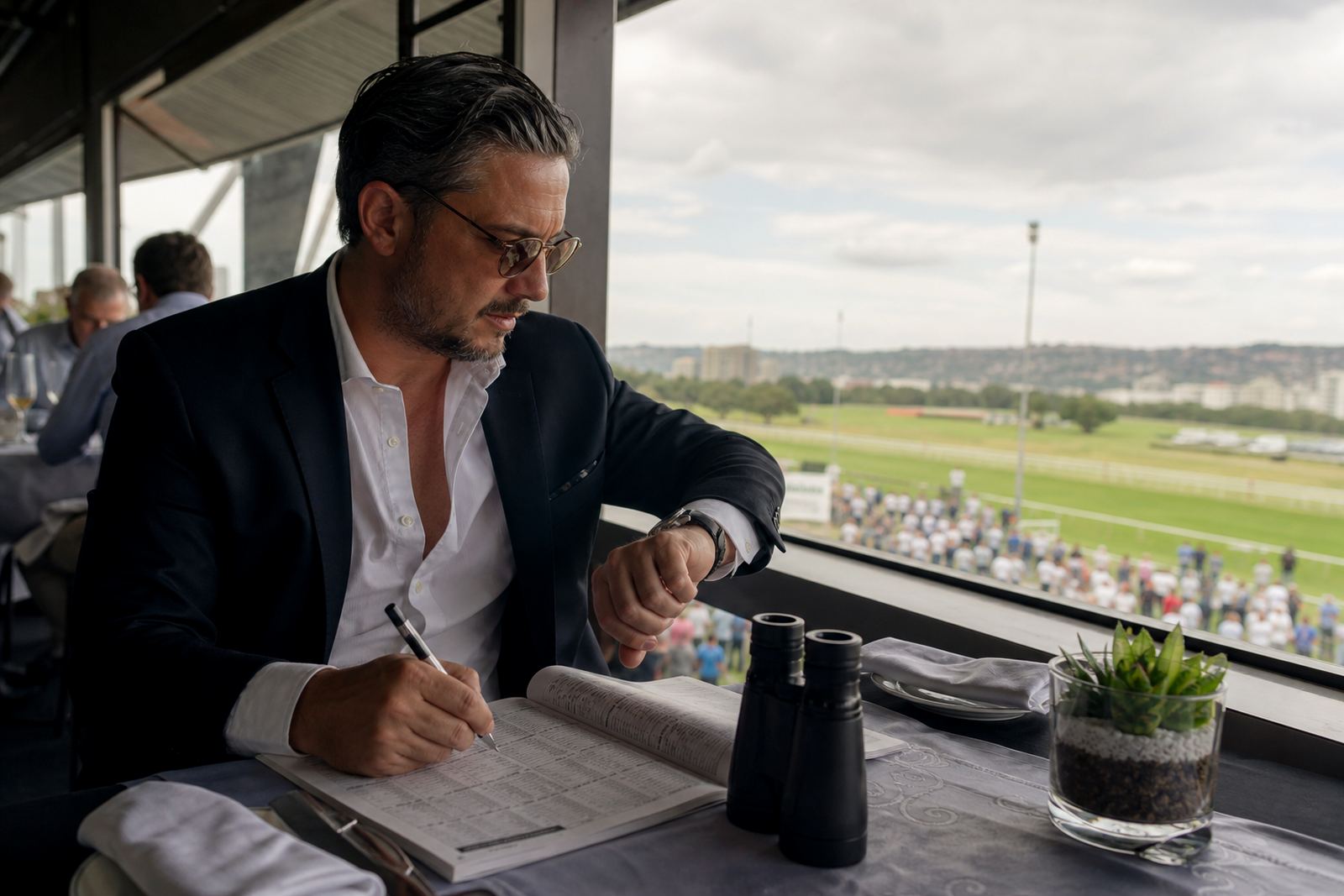

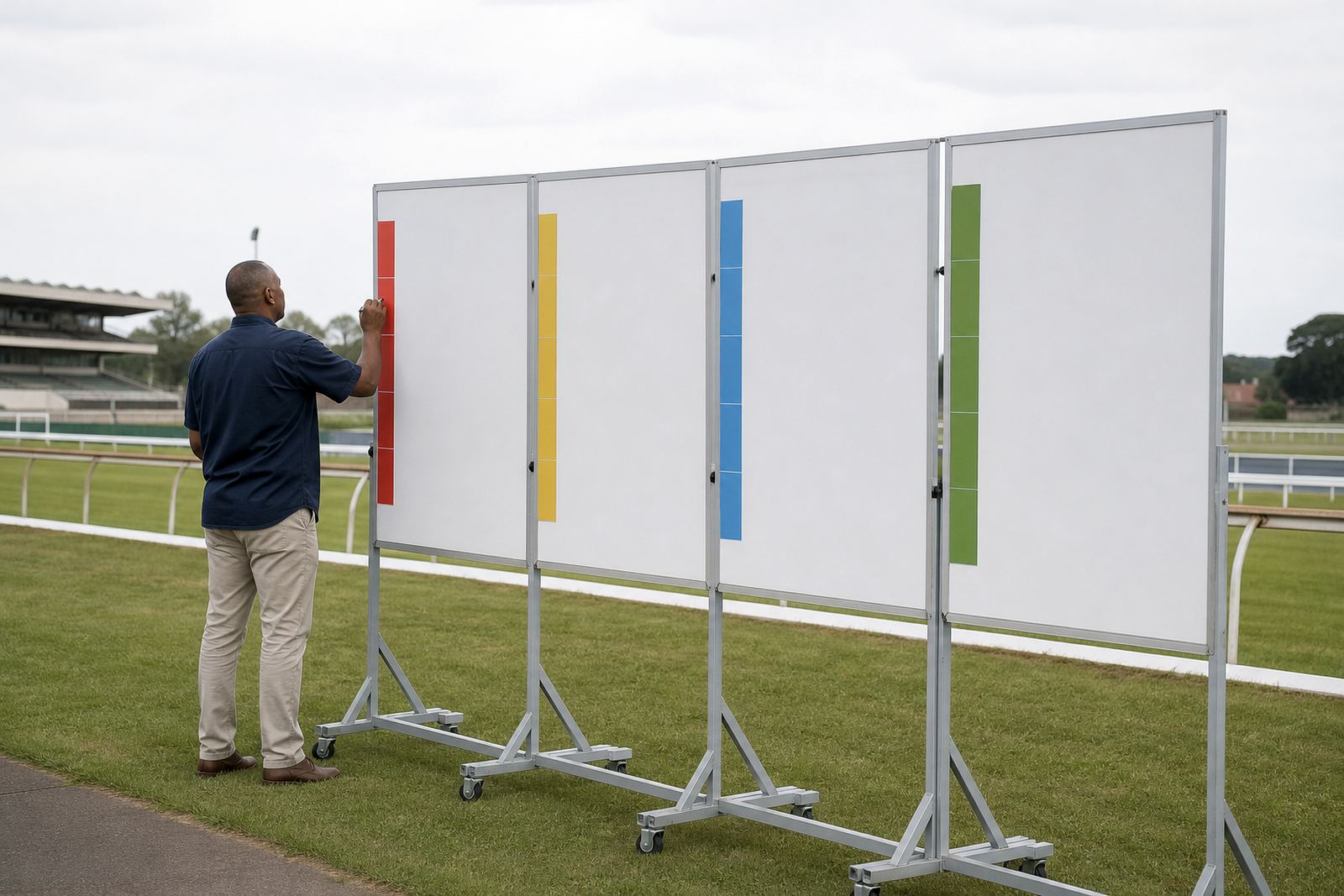
Why Meeting Type Changes the Way You Read the Card
A racecard is never just a list of horses and numbers. The meeting type tells you a lot about the day ahead, from the strength of the fields to how much pressure there may be on the pace. A big feature meeting often brings stronger horses, fuller stands and more public interest, while a weekday card can be smaller and more technical, with punters leaning harder on track condition notes and pace patterns.
For adults 18+ who follow racing seriously, the smart habit is to match your approach to the meeting. A hotly contested feature day may reward close attention to class and recent runs, while a midweek programme can be shaped by draw, track bias and whether a horse is suited to the trip. That is where form reading support helps, because the same runner can look very different depending on the meeting.
Feature Meetings: Bigger Fields, Stronger Signals
Feature meetings at venues like Turffontein, Greyville or Kenilworth usually carry more pressure on the race-day atmosphere and the quality of the form. You may see competitive handicaps, higher-profile races and runners that have been placed with a clear target in mind. These cards often need careful shortlist work, because more horses look live and there is less room for guesswork.
When reading feature meetings, focus on the shape of the race rather than one flashy run. Look for:
- recent form against similar company
- distance changes that suit the horse
- draw and pace map notes
- track condition preferences, especially after rain or coastal humidity
- any stable pattern that suggests a peak effort is expected
If you are betting, keep stakes sensible and never chase losses. Responsible betting means treating the bet as entertainment, not income.
Weekend Meetings: Best for Balance and Homework
Weekend cards often give punters the best balance between atmosphere and study time. There is usually more build-up, more public attention and more chances to compare opinions before the first race. In Johannesburg and around Gauteng, many racegoers use the weekend to work through the card properly, whether they are based in Rosebank, Sandton, Midrand or Pretoria.
Weekend racing can suit those who like a fuller preview and a slower pace to the day. It is also where a good shortlist matters most, because there may be several competitive races across the card. A clean way to approach it is to separate the races into three groups: strong chances, possible value plays and races to pass. That keeps emotion out of the process, which is always helpful when the betting pools start moving.
- Check the first races early for signs of track pattern
- Note whether inside or outside draws are favoured
- Compare the preview with the official racecard update on the day
- Leave room for scratchings and late changes
Weekday Cards: Smaller Fields and Tighter Decisions
Weekday meetings are often quieter, quicker to study and more tactical. They can be useful for punters who want a concise card without the full rush of a major Saturday or Sunday programme. At places like Scottsville or Fairview, weekday racing may bring shorter fields, sharper pace judgement and a stronger need to understand which horse is ready to race now, not just on paper.
These meetings reward discipline. When the field is smaller, one bad read can matter more because there are fewer runners to cover a mistake. Pay attention to official track condition notes, recent rest periods and whether a horse has been running at a higher or lower level than today. A steady, realistic view is usually better than trying to force action into every race.
Twilight Meetings: Fast Pacing and Race-Day Convenience
Twilight meetings suit punters who want racing after work or in the cooler part of the day. They often move at a brisker clip, with less time between races and a more casual crowd on site. For hospitality guests, this can make for a comfortable outing, especially in summer when the heat eases later in the afternoon.
The key with twilight racing is to arrive organised. Have your notes ready, know the scratchings and understand the order of the races before the first jump. Track conditions can change quickly too, particularly if the day has been hot and dry or if sea air is affecting coastal venues. Horses that settle well and travel easily often come into their own in these conditions.
- Arrive early enough to settle in before race one
- Keep an eye on late track updates
- Be patient if the pace changes from race to race
- Use pace map notes to avoid getting caught out by a slow early tempo
Race-Day Etiquette That Helps Everyone Enjoy the Card
Good race-day etiquette makes the day better for everyone, from first-timers to seasoned punters. If you are at Turffontein, Greyville, Kenilworth, Scottsville or Fairview, a little courtesy goes a long way. Keep walkways clear, respect viewing areas and follow the directions of racecourse staff, especially in hospitality spaces and betting areas.
A few simple habits are worth keeping in mind:
- do not block the view of other guests during the running of a race
- keep voices down near the parade ring and during the race call
- follow dress guidance where hospitality packages have it
- manage cash and betting slips carefully
- drink sensibly and plan transport home in advance
For betting on the day, set a limit before the first race and stick to it. If you are unsure, ask for help with form reading instead of guessing. That is the safer way to enjoy the day.
A Local Example: From Rosebank to the Track
A Johannesburg punter in Rosebank might start the day with a feature meeting preview, then use the racecard shortlist to narrow down the runners that suit the conditions best. If the card is at Turffontein, the focus may be on pace shape and the bend. If the trip is to Greyville or Kenilworth, draw and surface preference can matter more, especially when the wind or coastal humidity is in play. That is the kind of practical detail that turns a long list into a workable plan.
For clients travelling from Sandton, Randburg, Bedfordview, Midrand, Centurion or Kempton Park, the goal is the same: know what kind of meeting you are attending, know what the form is really saying and keep your expectations grounded. Whether you are using Daily Tip Notes, a Weekend Preview Service or a Racecourse Preview Call, the best results come from understanding the meeting type first.