
Why the surface matters before you study the form
When you read a racecard, the track condition is one of the first things to check. A horse can look well entered on paper, but the actual surface on the day may suit some runners more than others. That is why experienced punters at Turffontein, Greyville, Kenilworth, Scottsville and Fairview pay close attention to the going before they finalise a shortlist.
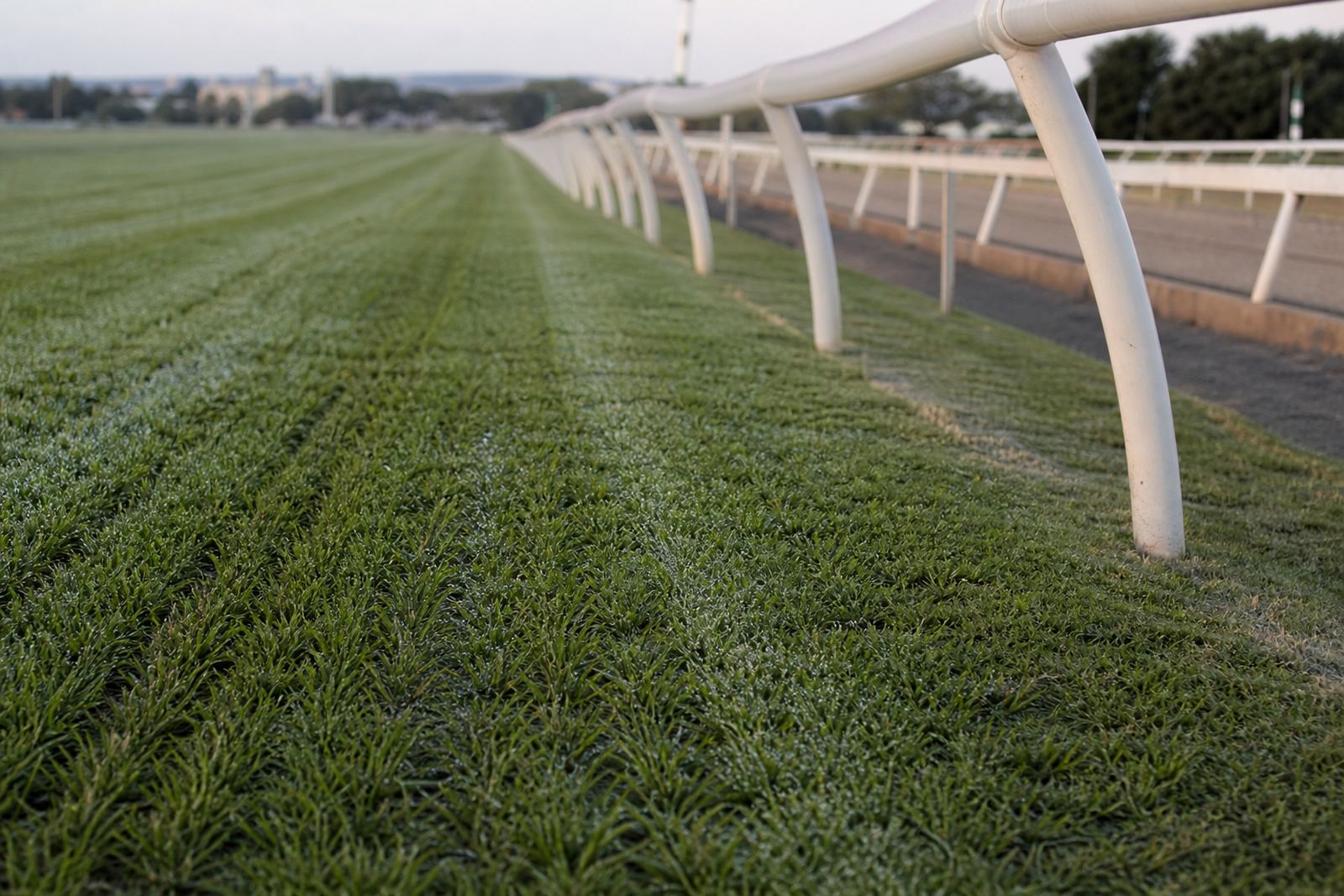
Surface descriptions are not just labels. They tell you how much give is underfoot, whether the surface is quick or holding, and how much change you might expect during the meeting. In Johannesburg, a dry winter afternoon can leave the turf firm and lively. In Durban, coastal humidity and rain can turn a course testing very quickly. That change can alter the whole race shape.
At Racing House, we keep our track condition notes practical. The aim is not to overcomplicate things, but to help you match the surface to the horse in front of you. That simple step can save time and make your form reading far more useful.
What the common going descriptions usually mean
Racecourses use standard descriptions to show how the turf or poly surface is riding. The wording may vary slightly from meeting to meeting, but the basic idea is always the same: how fast or forgiving the ground is, and which running styles may benefit.
- Firm to good means the turf is on the quicker side. Horses with speed and a handy position often get every chance, especially over shorter trips.
- Good is a balanced surface, usually fair to most runners if the pace is honest.
- Soft or yielding means more give underfoot. This can help stamina horses, but it may blunt the finish of horses that prefer a quicker surface.
- Heavy means the ground is testing. Races can turn into staying contests and finishing effort matters more than early speed.
- Polytrack or synthetic surface tends to ride differently from turf, often giving a more even surface and reducing the impact of rain, though pace still matters.
Do not treat these labels as exact predictions. Two tracks can both be called good, yet one may still ride quicker depending on wind, watering and how much racing has taken place on the day.
How weather and rail position can change the race shape
Weather is the big driver of surface change, but it is not the only one. Watering, rainfall, wind, temperature and how the inside lanes have held up all matter. At a venue like Kenilworth, a fresh strip on the inside can be an advantage early in the card. Later on, after several races, the better going may shift away from the rail. That is where race-day observation becomes valuable.
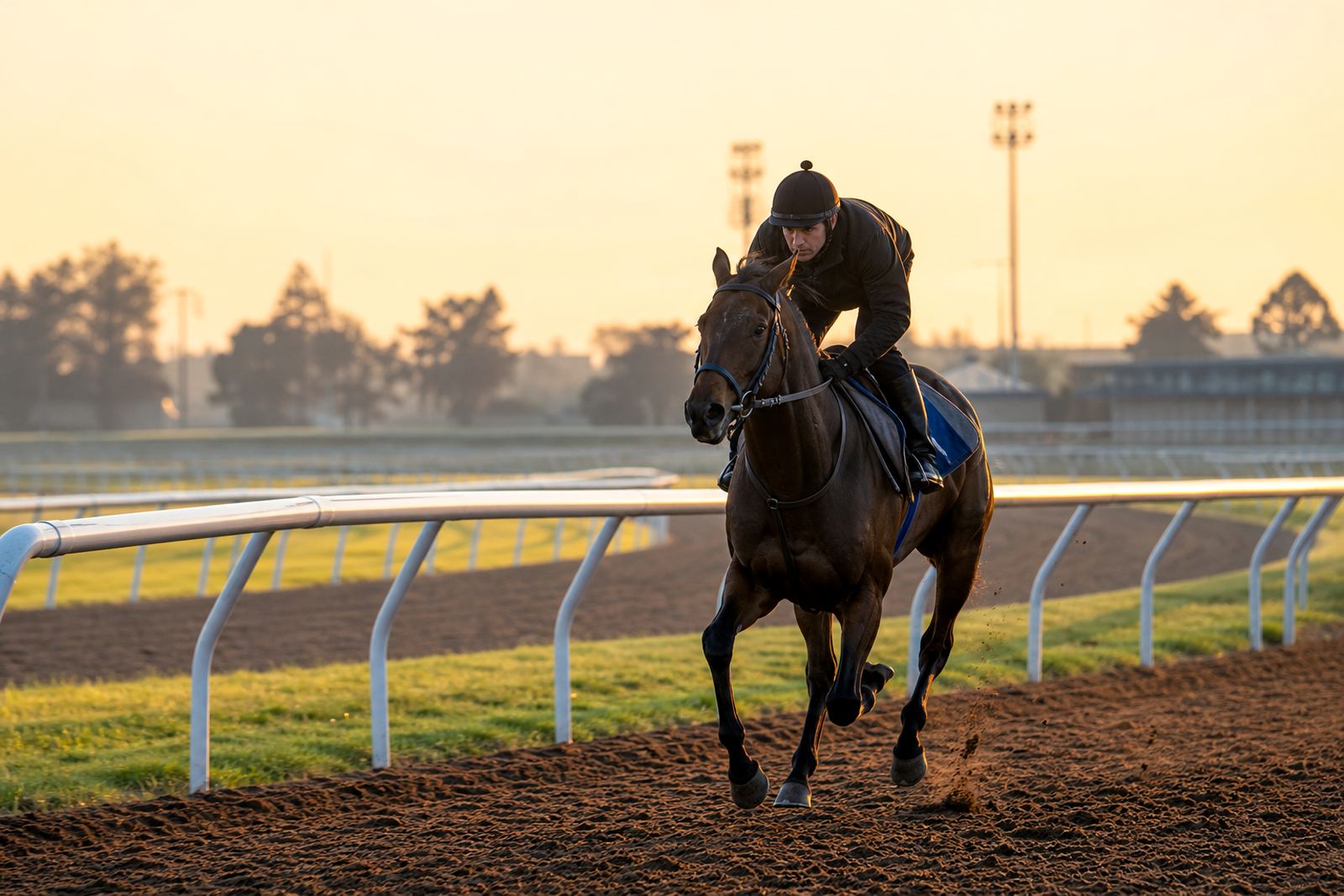
Rail position can change the tactical picture. If the field is racing on a tighter strip, leaders and handy runners may control matters more easily. If the track is wide open and the pace is honest, closers can get a better shot. On a soft surface, making up ground can be harder because horses use more energy just to hold position.
For punters in Gauteng, a hot afternoon at Turffontein often means a firmer surface and a strong emphasis on position. Along the coast, a grey and damp Durban day can mean the ground becomes more demanding as the afternoon goes on. The key is to notice whether the surface is likely to play consistently, or if it may change from one race to the next.
Reading form through the lens of track condition
Form reading is not only about recent finishing places. It is about asking why a horse ran that way. Was the tempo too slow, was the draw against it, or did the ground not suit? A runner that fades on heavy going may still be well treated when the surface firms up. Likewise a horse that finishes strongly on soft ground may be worth following when rain arrives.
When reviewing a racecard, pay attention to these clues:
- Past runs on similar going
- Whether the horse finishes off strongly or wants an easy lead
- How it handles tight turns, long straights or testing climbs
- Any notes on running style, such as front runner, stalker or late finisher
- Whether the horse has shown form at the same course or on a similar surface
One useful habit is to separate true ability from surface preference. A horse can be in fair form but still look poor on the wrong ground. That is why a clean reading of the going helps you avoid forcing a runner into a race shape it does not want.
A local example from Johannesburg and the coast
Take a midsummer meeting at Turffontein. If the ground is dry and quick, the track can suit a horse that jumps well, holds a handy spot and keeps up a solid gallop. In that setup, a field where nobody wants to set a strong pace may favour those near the front, because it becomes harder for deep closers to reel them in. A wide runner may need extra effort just to get into the race.
Now compare that with a wet afternoon at Greyville. The surface may hold more moisture and the race can become more stamina-based. Horses that stay the trip, settle well and finish steadily often get their chance. A flashy turn of foot on firm going may count for less if the leaders keep rolling and the ground is testing.
This is why a single racecard should never be read in isolation. The venue, the weather, the rail and the pace all work together. If you know what kind of contest the surface is likely to produce, your shortlist becomes more realistic.
Race-day etiquette when conditions are changing
Good race-day etiquette starts with awareness. Watch the first few races if you can, because they often tell you whether the inside is holding up, whether the pace is favouring front runners, and whether the going is riding faster or slower than expected. At the course, avoid rushing to a final opinion before you have seen how the day is unfolding.
- Arrive early enough to check the official going report and any late changes
- Watch the parade ring for horses sweating up or looking unsettled in warm conditions
- Respect the space of other racegoers and the instructions of racecourse staff
- Keep your betting slip or tote ticket organised before the race begins
- Do not let one strong opinion override clear evidence from earlier races
Hospitality guests should also remember that trackside conditions can shift during the day. Shade, wind and sudden rain can affect comfort and concentration. A small amount of observation can make the outing better and your reading of the races sharper.
How Racing House helps you use track conditions properly
Our Daily Tip Notes, Track Condition Notes, Pace Map Notes and Racecard Shortlist service are built to support practical decision making. We do not treat going reports as a side note. We put them alongside form, pace and course behaviour so you can judge whether a race is likely to suit speed, stamina or late timing. That is useful for seasoned punters and for newcomers who still need help with the basics.
If you are betting, do so responsibly and within your means. Set a limit before the first race and stick to it. If the surface changes during the meeting, reassess rather than chasing losses or forcing a bet. Small, disciplined decisions usually make more sense than emotional ones.
For race-day hospitality, the same principle applies. A good trackside plan starts with knowing what the surface is doing, then matching your expectations to the day as it unfolds. That is the sort of practical thinking that keeps a race day enjoyable and informed.