What the odds board is telling you before the off
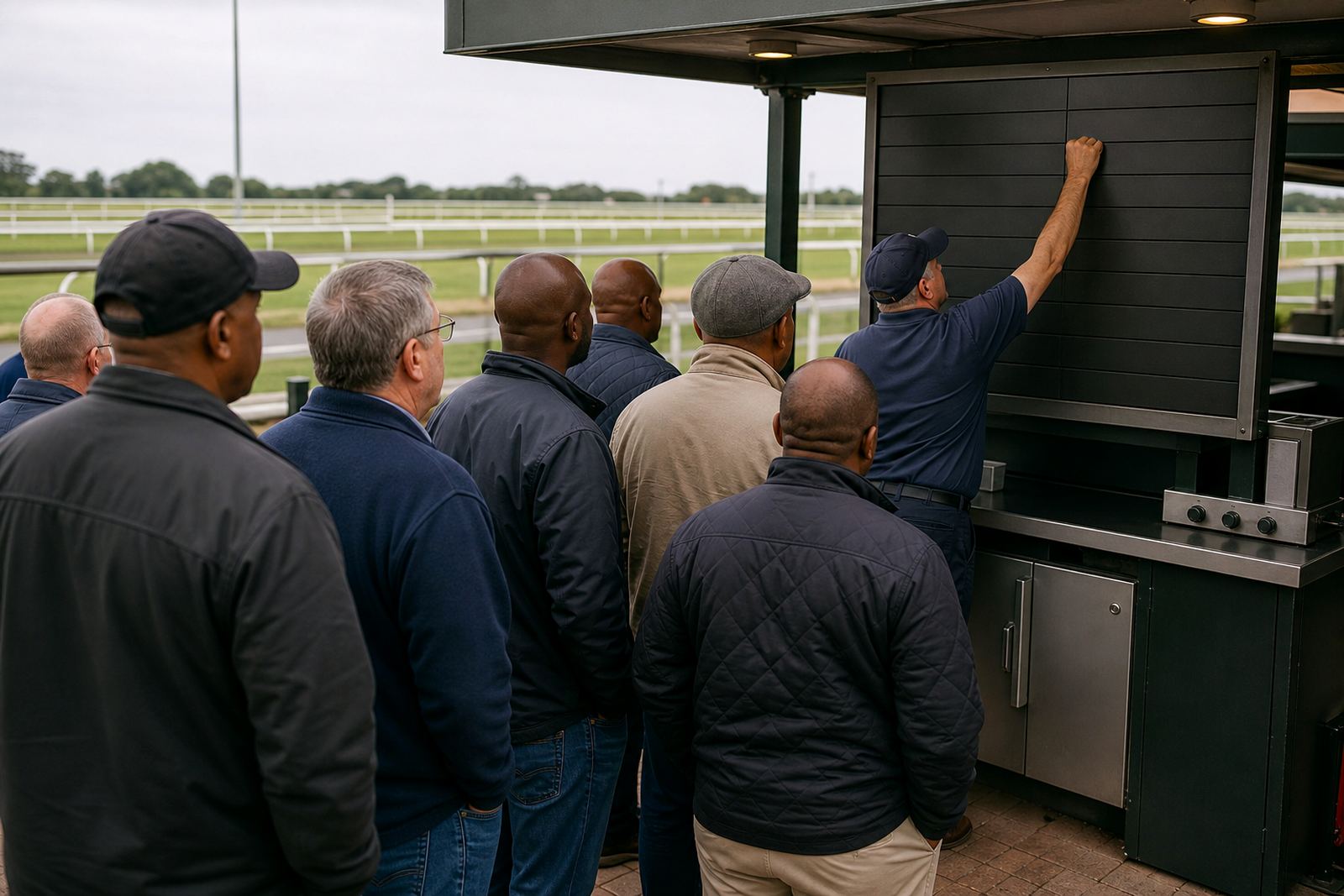
At South African racecourses, the odds board gives a quick picture of how the betting market is shaping up. It is updated as money comes in, so the prices can move from the time you arrive at Turffontein or Greyville right up to the start of the race.
For a newcomer, the board can look confusing at first. You may see horses shorten, drift, or hold steady and wonder what it means. In simple terms, shorter odds usually suggest more support from punters, while bigger odds suggest less money has been placed on that runner. That does not tell you which horse will win, but it does show where the market interest is.
Read the board as one part of your decision, not the whole story. A horse can be well backed and still run poorly, or be overlooked and run much better than expected. The board is useful because it reflects live opinion, not certainty.
How to read movement in the market without overthinking it
Odds movement often starts with early bets from experienced punters, trainers followers, or race-day visitors who have studied the card closely. At Rosebank or Sandton, many clients ask whether a shortening price means the horse is a certainty. It does not. It just means money has arrived for that runner.
When reading movement, focus on the pattern rather than a single change. A small move may mean little. A large move across several updates can mean there has been strong support, or it may simply reflect a limited pool of betting in that race. With provincial meetings at Scottsville or Fairview, field size and race type can also affect how much the board shifts.
- Shortening odds can show confidence, but not guaranteed success.
- Drifting odds may point to less support, or a change in market opinion.
- Stable odds can mean the race is quiet, or that the market is still weighing things up.
- Always check the board alongside the racecard, not on its own.
Using form guides with the board for a better read
The strongest approach is to compare the odds board with the form guide. Form tells you what a horse has done before, the board tells you how punters are rating it now. When both point in the same direction, you have a clearer starting point. When they disagree, that is when you need to slow down and ask why.
Look at recent finishing positions, distance suitability, draw, going, and whether the horse is stepping up or down in class. A runner that has been consistent over 1400 metres but is now trying 1600 metres may be interesting, yet the extra trip could matter. On a soft Kenilworth track, for example, a horse with proven ability on testing ground may deserve more respect than a flashy name with little similar experience.
Track condition notes and pace map notes can help explain why the market is moving. A horse drawn well in a tactical race may attract support if it is likely to get a clean run. That is the sort of detail our race day previews and form support are built around, especially for clients in Pretoria, Centurion, Bedfordview and beyond.
Common board terms every punter should know
You do not need to know every piece of betting language to read the board properly, but a few terms matter. Once you understand them, the whole picture becomes easier to follow.
- Favourite: the runner with the shortest price at that time.
- Drift: a horse’s price gets bigger as support weakens or the market reassesses it.
- Shorten: a horse’s price gets smaller because more money is coming for it.
- Scratch: the horse is withdrawn and no longer in the race.
- Field: all the runners taking part in that race.
At some meetings, especially feature cards, prices can move quickly as new information comes in. A late scratch can change the pace shape of the race and affect the rest of the field. That is why regular updates matter. If you are following a meeting recap or racecard shortlist, keep checking for changes before you place a bet.
A Johannesburg example from a normal race day
Picture a Saturday at Turffontein. You arrive from Midrand after breakfast and check the board before the first race. One runner has shortened after earlier support, while another has drifted after a quiet morning. You then compare that with the form guide and notice the shorter-priced horse has consistent recent runs, a suitable draw, and has handled the distance before.
That does not mean the race is sorted. A poor start, a false pace, or traffic in running can still change everything. But the board has helped you focus on the runners that deserve attention. If you are attending with family or colleagues, race day hospitality also means planning ahead, arriving on time, and giving yourself enough space to study the card properly.
For new punters, this is often the moment it clicks. The board is not a prediction machine. It is a moving snapshot of market opinion, and when paired with practical form reading, it becomes much more useful.
Race-day etiquette when you are following the board
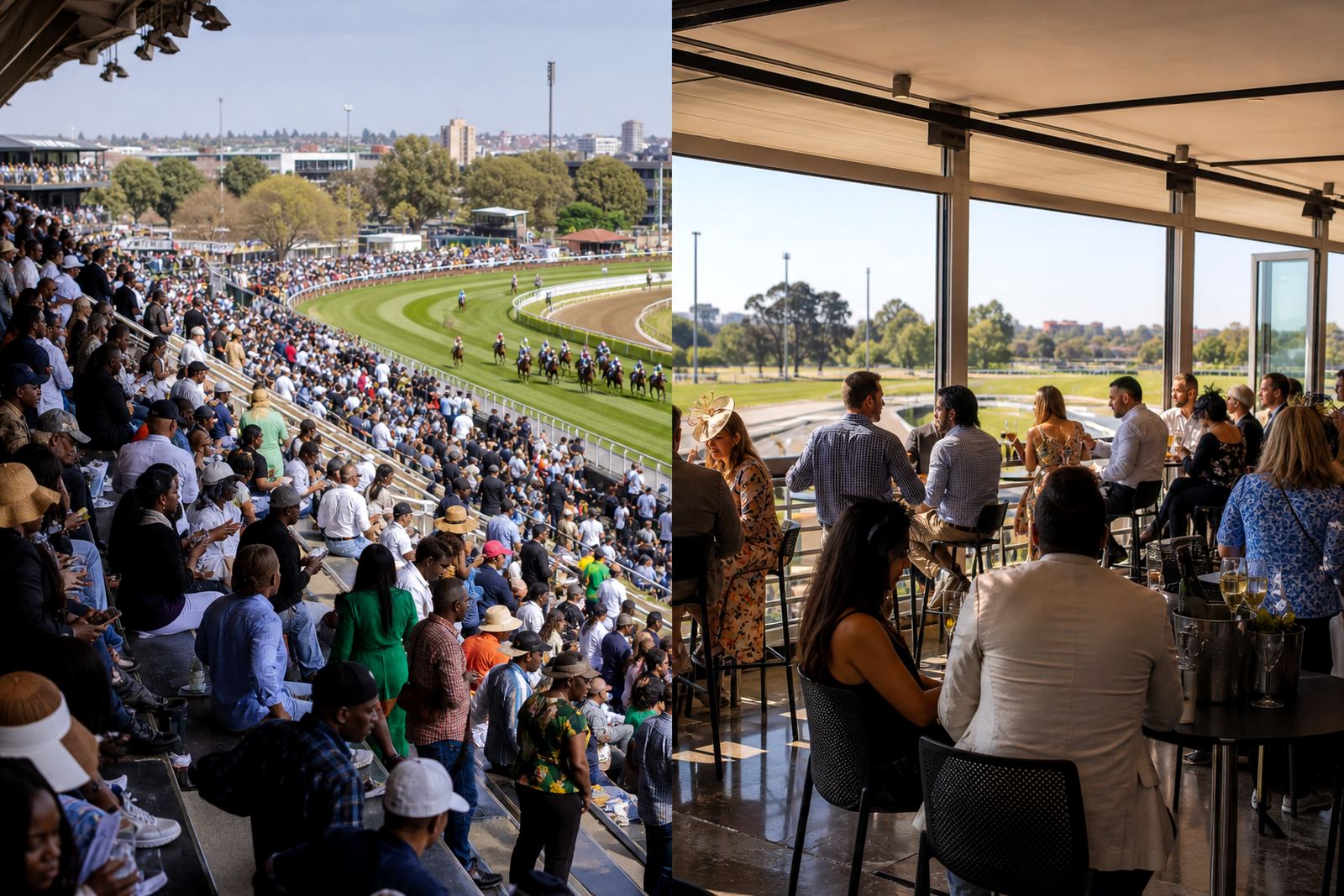
Good race-day behaviour matters whether you are at Greyville, Kenilworth, or a local simulcast venue. The tote area can get busy and people need room to read, think, and place their bets without pressure. Keep your notes handy, stay patient, and avoid crowding others near the windows or screens.
If you are going with a group, agree on your picks before the rush starts. It helps avoid confusion when the board moves in the last few minutes. At hospitality events, it is also courteous to keep voices down when races are on and to respect the staff who are managing tables, timing, and guest flow. A smooth race day is about shared space as much as the racing itself.
- Arrive early so you can study the card and the board in calm conditions.
- Keep your betting slip, notes, and race numbers organised.
- Do not pressure other punters for picks or arguments.
- Watch for late changes, especially scratches and track updates.
Why a disciplined approach beats chasing the board
It is easy to get caught up in late moves and try to follow every price change. That is usually where mistakes happen. A disciplined punter decides in advance what to look for, checks the board for confirmation, and stays within a clear budget. Betting should always be treated as entertainment, not a source of income. Please gamble responsibly and only if you are 18 or older.
Racing House supports adults who want a clearer way to approach the sport, whether through Daily Tip Notes, Weekend Preview Service, or Novice Punters Help. If you are unsure how to read a racecard or a moving board, start with one meeting, one race at a time. That makes the information manageable and helps you build confidence without rushing.
When the board makes sense, the rest of the race often becomes easier to follow. When it does not, step back and use the form. That is usually the safest habit to keep.