
What a gear change note really tells you
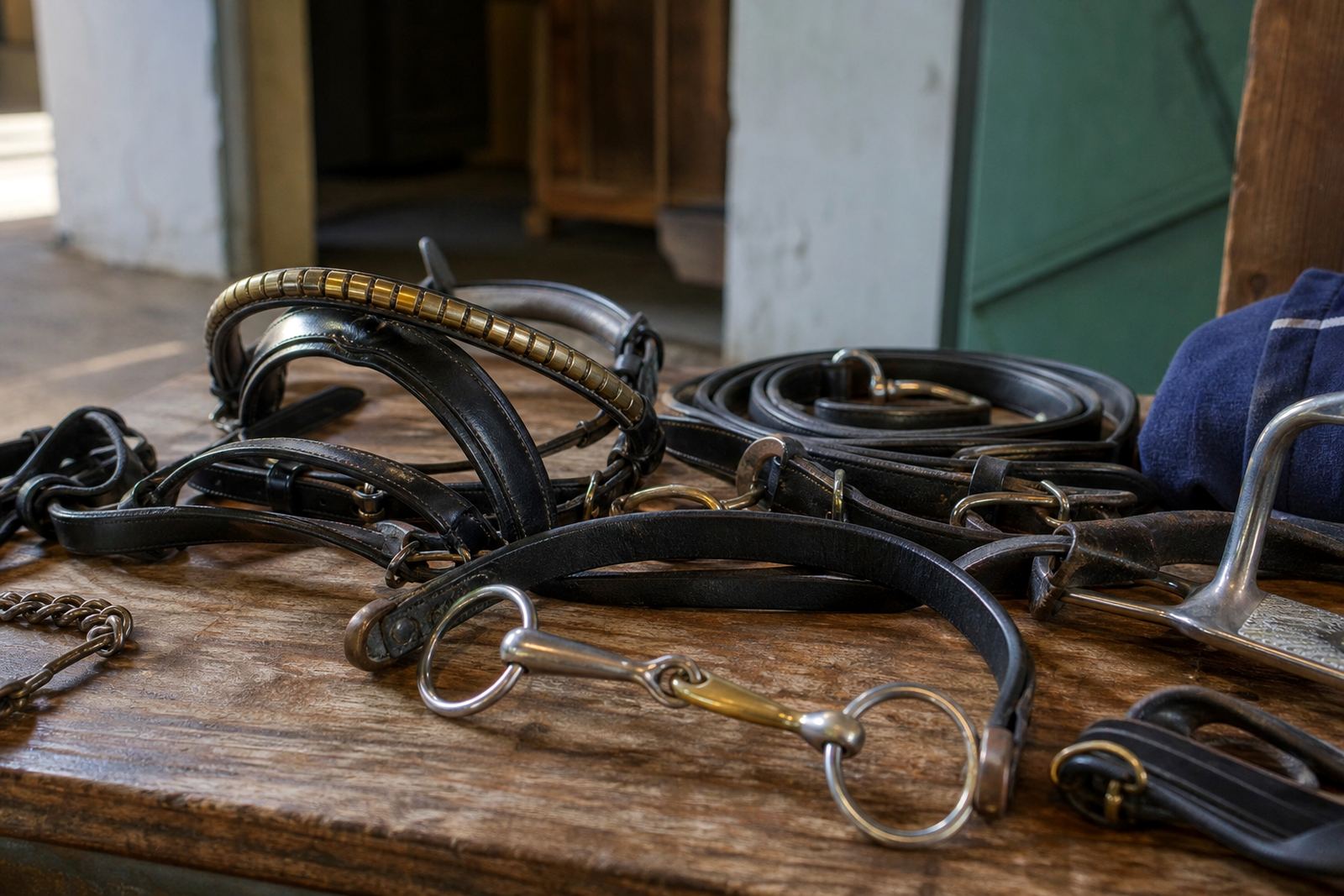
On South African racecards, a gear change is a simple clue about how a horse may be managed on the day. It can mean a horse is wearing something new, removing something it wore last time, or changing a fitting to help with focus, balance or breathing. The note is not a guarantee of improvement, but it does tell you that the trainer is trying something different and that matters when you study form.
For punters in Johannesburg and surrounds, this is useful whether you are at Turffontein or checking a meeting from home in Sandton, Randburg or Pretoria. A gear note should always be read with the horse’s recent runs, track condition, draw and likely pace. One change on its own is never the full story.
The common equipment notes you will see
Most racecards use short terms, so it helps to know the basics. The wording can vary a little by meeting, but the idea stays the same. If you are new to it, start with the most common items first.
- Blinders or a visor: used to help a horse focus and stay on task during the run.
- Tongue-tie: helps keep the tongue in place and can assist breathing for some horses.
- Cheekpieces: fitted to keep a horse attentive without blocking all side vision.
- Ear covers: can reduce noise and help a nervous horse settle before the start.
- Winkers or shades: may help a horse concentrate, especially in the early stages.
- Weight or saddle cloth changes: sometimes noted when the stable is trying a different setup.
Do not assume every gear change is positive. Some horses go well with more focus, while others need less equipment to relax and finish stronger. The key is to notice patterns over several runs, not just one line on the card.
How to read a gear change beside the form
The best way to use gear notes is to compare them with recent performances. Look at whether the horse was slow away, raced too keenly, hung in the straight, or faded late. Those clues often explain why a trainer reaches for a change. A horse that overraced over 1400m at Greyville might benefit from extra focus. A runner that fought the rider at Fairview could improve if the new setup helps it settle.
Also check whether the horse has used that same equipment before. If it has run well in cheekpieces, a return to them is worth noting. If a change is brand new, treat it as a possible improvement but not a certainty. For betting purposes, keep your stake sensible and remember that no gear change removes risk. Bet responsibly and only with money you can afford to lose.
When the track and trip make a difference
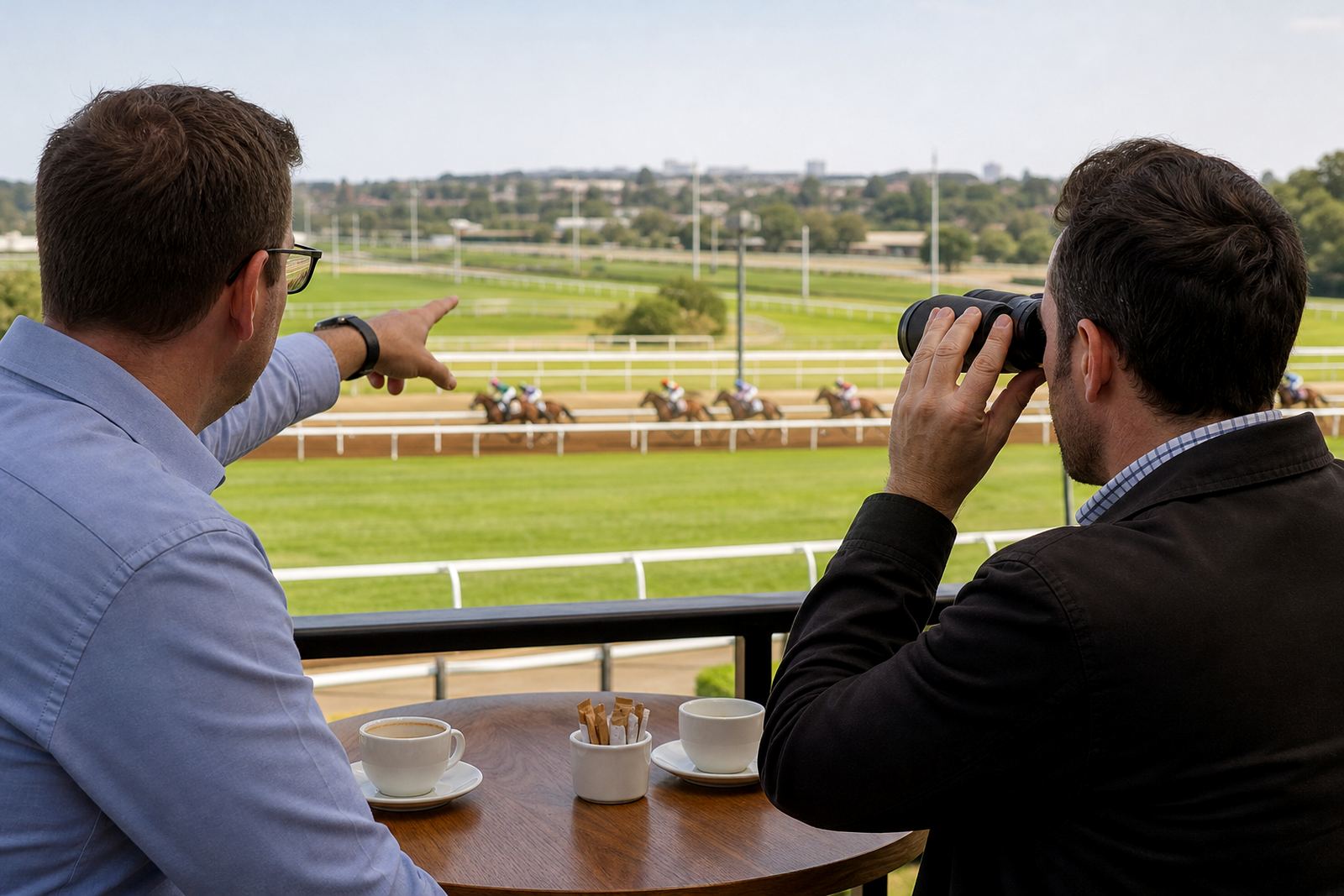
Gear changes do not work in isolation. A horse wearing a new tongue-tie at Turffontein on a warm, dry afternoon may still need the right pace and draw. On a softer day at Kenilworth or Scottsville, a runner can struggle for a different reason entirely. That is why track condition notes and pace maps matter alongside equipment changes.
Local example: if a horse has been finishing off well over 1600m but was pulled hard early, a slight change in equipment might help it settle. If the same horse is stepped up to 2000m at Greyville, the extra trip may be more important than the gear itself. Good form reading means weighing all those pieces together, not chasing one note because it looks exciting.
Practical signs that a gear note deserves attention
Some changes are routine, while others deserve a closer look. If you are using a racecard shortlist, note the horses that have been adjusted after an average effort, or those returning from a rest where fitness and behaviour both matter. It is often the horses with small, sensible changes that offer the clearest reading.
- A horse that was green or unsettled on debut may improve with added focus.
- A runner that finished weakly might be fitted differently to help it breathe or relax.
- A horse changing from a sprint to a mile may need a calmer setup.
- A stable making a first-time adjustment after several honest runs is worth a second look.
Still, do not overrate every note. Some horses are simply in form or out of form, and equipment only fine-tunes the picture. That is why our Daily Tip Notes and Form Reading Support focus on the whole race, not just one line in the comments.
What race-day etiquette means for new and experienced punters
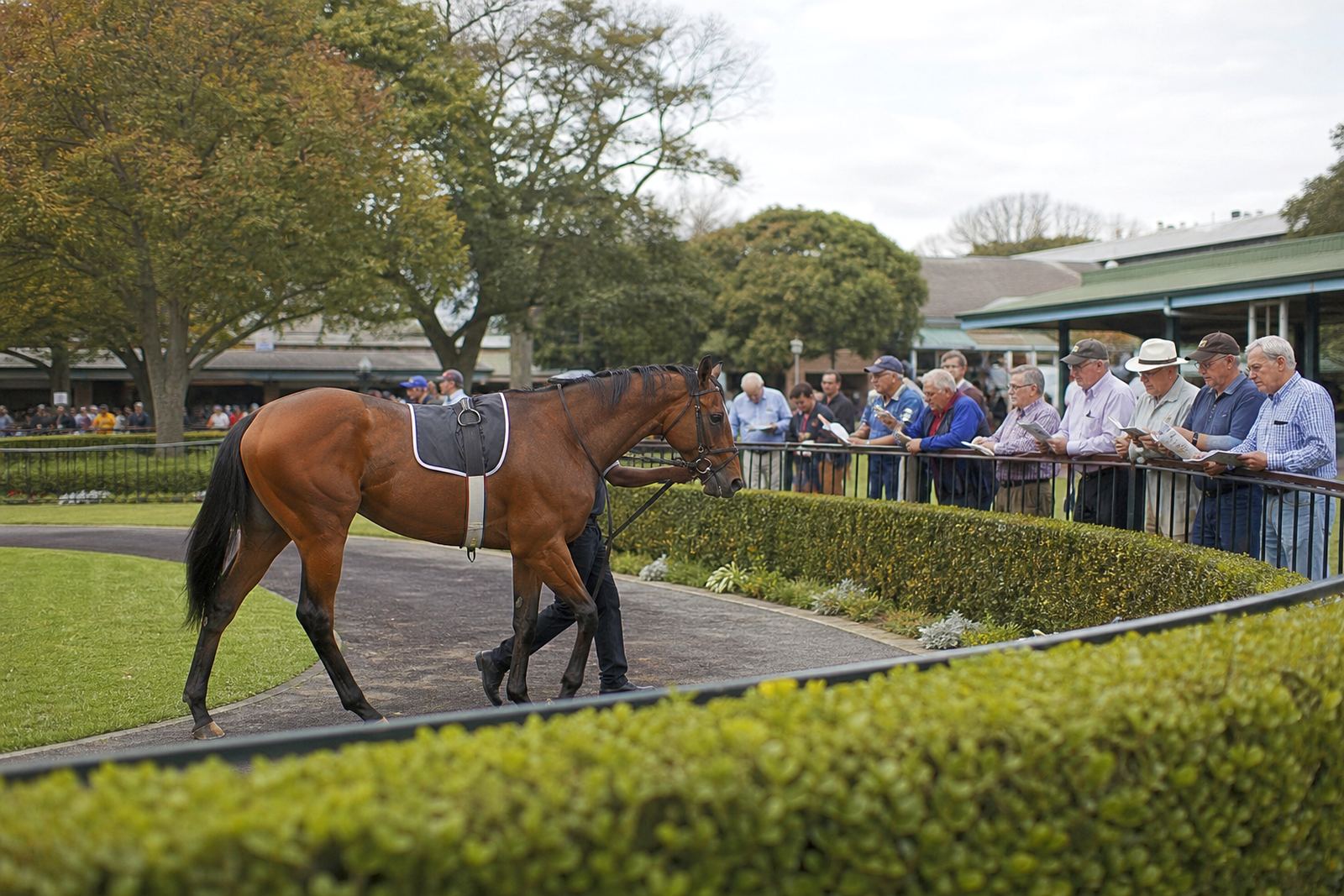
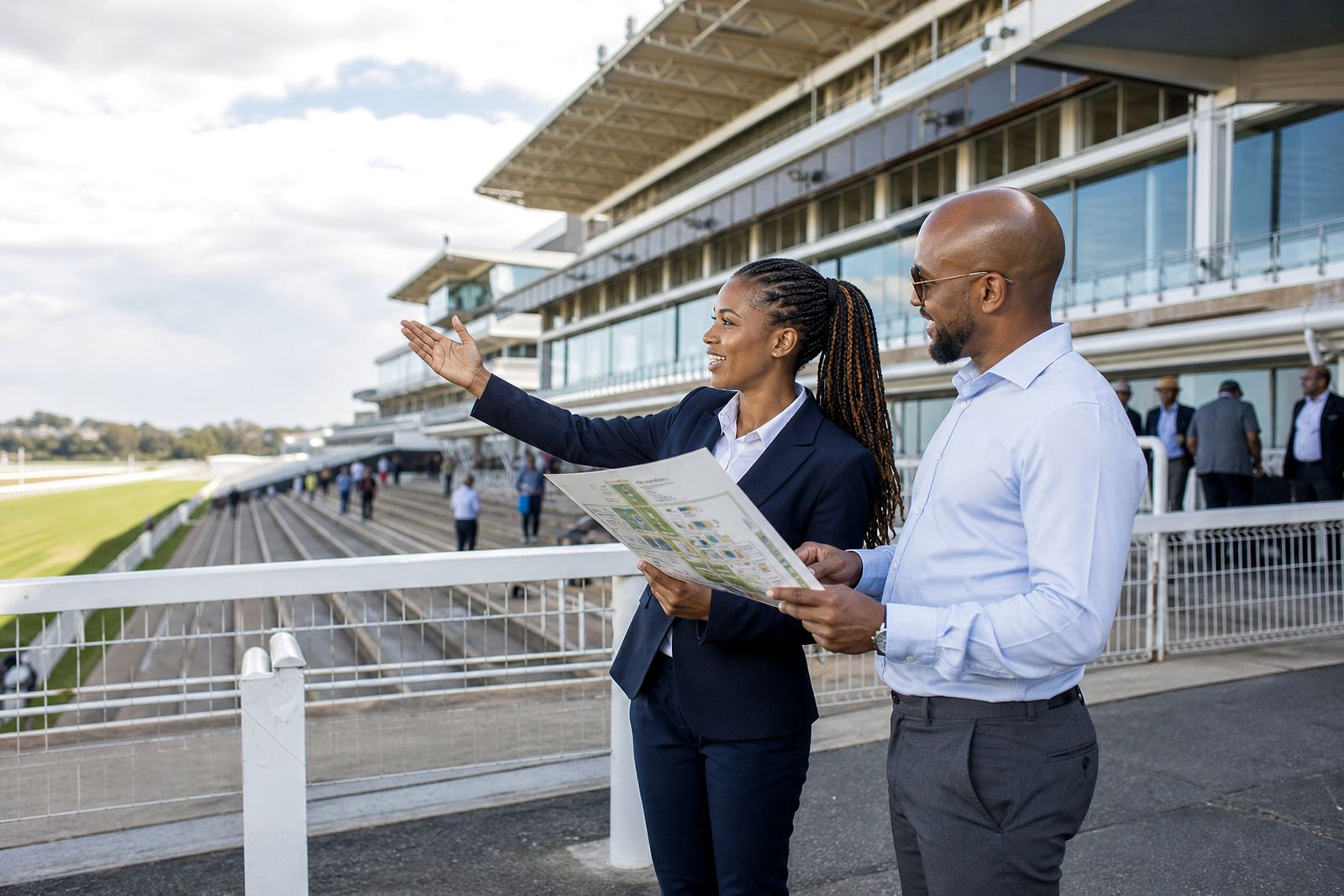
Gear changes are part of the wider race-day routine, and good etiquette matters as much as good judgement. At racecourses like Turffontein, Fairview or Greyville, keep clear of the rails where instructed, give horses and handlers space, and follow on-course signage from security and officials. If you are in hospitality, arrive on time, respect table staff and keep your voice down near the parade ring and saddling area.
For those joining hospitality packages, smart casual dress is usually the safe choice, though conditions vary by course and function. In Johannesburg weather, pack for late sunshine and cooler evenings. At coastal meetings, humidity can be high and a light layer is useful. The cleaner you keep your routine on the day, the easier it is to focus on the card, the gear notes, and the race itself.
A simple way to use gear changes before you bet
If you are considering a wager, build your view in layers. Start with recent form, then add track condition, pace, draw, and only then look at gear changes. That order keeps the equipment note in its proper place. A horse with a helpful adjustment can move up your shortlist, but it should never be the only reason you back a runner.
For adults 18+ who bet on racing, the safest habit is to set a limit before the meeting and stick to it. Use gear changes as one part of the puzzle, not a shortcut. If you want a second opinion, our Weekend Preview Service and Racecard Shortlist can help you compare the notes in plain language, so you can make calmer decisions on the day.