
What Carried Weight Really Means On Race Day
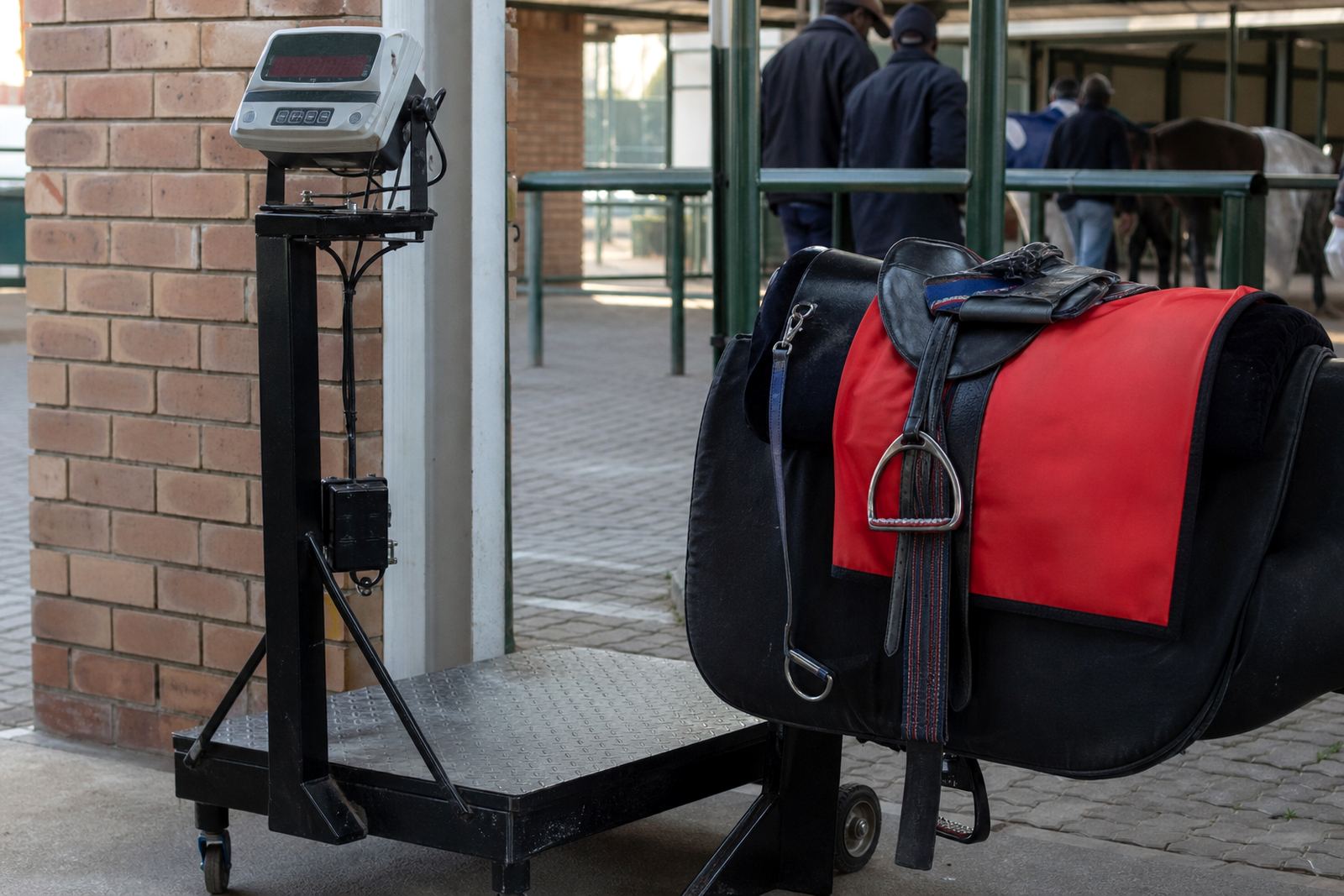
When punters talk about the weight on the card, they usually mean the weight a horse is set to carry in the race. In handicap races, stronger performers are often asked to carry more, while lighter weights may be given to horses that look less exposed or are meeting rivals on more favourable terms.
That sounds simple, but the practical effect depends on the race itself. A horse carrying top weight over 1 600 metres at Turffontein is dealing with a different test to a runner carrying a light weight in a small field over 1 000 metres at Scottsville. The trip, pace and layout all matter.
Why Weight Alone Can Mislead The Form Reader
It is tempting to treat weight as the main clue, especially when two runners look close on form. But weight is only one factor among many. A horse can carry more weight and still beat a rival if it is fitter, better drawn, better suited by the ground or simply more effective at that distance.
Form students in Johannesburg often get caught out by focusing too much on the kilos and not enough on the race shape. A horse that likes to sit handy may handle a moderate rise in weight better than one that needs everything to go right from the back. That is why the full card matters, not just the numbers next to a runner's name.
- Weight can matter more in long races than in short sprints.
- It becomes more important when runners are closely matched on ability.
- It may count for less when a horse is clearly well placed on class or fitness.
- Track condition can change how much weight really tells, especially after rain or on firm ground.
How To Read Weight Alongside Other Clues
The best way to use weight is to place it next to the rest of the form guide. Start with the basics: recent runs, distance, track, draw, trainer patterns and whether the horse has shown it can handle the going. Then ask what the weight change is really doing.
If a horse is moving up in weight after a strong win, the handicapper is signalling respect. If another runner drops in weight but has been running below par, that lighter impost will not fix everything. It may help, yes, but it does not erase poor recent form or a weak draw on a day when the pace setup looks wrong.
- Look at the horse's best runs over the same trip or similar trip.
- Check whether the weight rise follows a win, a close second, or a string of ordinary runs.
- Compare the weight with the likely pace of the race.
- Note whether the horse has handled soft, yielding or firm going before.
A Local Example From A Gauteng Card
Take a midweek handicap at Turffontein, where the field is spread over a fair range of weights. One runner might be carrying top weight after consistent placings in stronger races, while another is lower in the handicap after a quiet spell. On paper the lighter horse looks well treated, but the question is whether it has the class and consistency to use that advantage.
In that kind of race, a punter from Rosebank or Sandton should not stop at the kilos. Check whether the top-weighted runner is drawn well enough to avoid traffic, whether the likely leaders may set a strong pace, and whether the lighter-weighted runner has been finishing off its races properly. If the going is rain-affected and the field is tightening late, the weight spread can become more relevant. If the pace is steady and the race turns tactical, class may matter more than the extra kilos.
That same thinking applies when you study racecards for Greyville, Kenilworth, Scottsville or Fairview. Local conditions change the value of weight. A strong, galloping track with a stiff finish asks a different question to a sharper course where position and timing matter more.
What To Ask Before You Back A Horse
Weight should help you narrow the field, not make the decision for you. Before you place a bet, ask a few practical questions and answer them with the card in front of you.
- Has this horse carried similar weight before and still run well?
- Is the current mark fair based on recent form and opposition?
- Will the race be run at a pace that suits this horse?
- Does the draw and track condition support the runner with the extra weight?
- Is there a better value play elsewhere on the card?
If you are new to racing, this is where form reading support can help. A short racecard shortlist or a meeting recap can turn a confusing field into a manageable one. The point is not to chase every race, but to understand why one runner may be better placed than another.
Race-Day Manners And Practical Thinking At The Track
Weight study also fits into good race-day habits. At a hospitality day, whether you are at Turffontein or Greyville, give yourself time to read the card properly before the first race. Watch the horses in the parade ring if you can, note how the runners look in the preliminaries, and keep your bets measured rather than rushed.
Race-day etiquette matters too. Keep to the venue rules, be respectful around viewing areas and hospitality spaces, and remember that other guests are there to enjoy the day. If you are betting, do so responsibly and within your means. Never chase losses, and if the racing starts to feel like pressure instead of entertainment, step back and reset.
At Racing House, we keep the focus on clear form reading, practical race-day hospitality and grounded advice for adults 18+. Weight is worth noting, but it only earns its place after you have looked at the rest of the picture.