
Start With How You Want To Watch The Race
There is no single best spot on a racecourse. Some people want to be close to the action, others want a clear view of the whole field, and many prefer a base where they can talk through the card, check form and settle in for the afternoon. The right choice depends on whether you are there to follow every stride, meet friends for a long lunch, or move between races and betting windows with ease.
In Johannesburg and across South Africa, the main viewing areas usually fall into four groups: the rail, the grandstand, the parade ring and hospitality balconies. Each one gives a different angle on the day and each has its own pace. If you are new to racing, it helps to think about comfort, shade, walking distance and how easy it is to keep an eye on the field before the off.
- Choose the rail if you want to feel close to the race.
- Choose the grandstand if you want height and a wider view.
- Choose the parade ring if you value form reading and horse behaviour.
- Choose a hospitality balcony if you want a fixed base with food, shade and a steady view.
The Rail: For Punters Who Want The Noise And The Pace
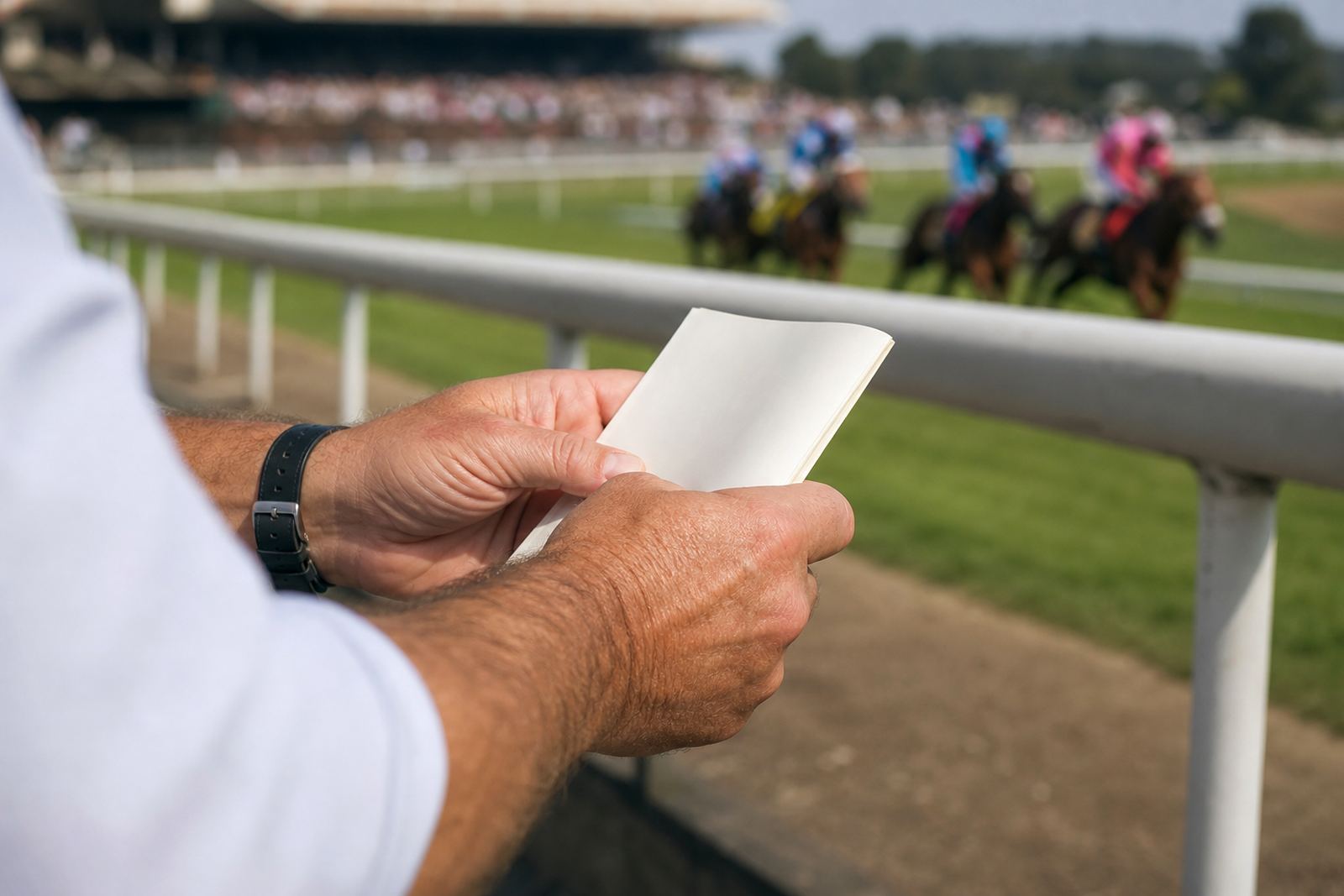
The rail puts you closest to the track and that matters more than many first-time visitors expect. You hear the horses approach, see the field move as one and feel the split second changes when a runner is boxed in or makes a late run. For many seasoned punters, the rail is where race-day tension feels most real.
It also comes with trade-offs. On busy days you may need to arrive early to get a good position, and once the field is moving you can lose sight of parts of the race if you are standing behind a crowd. At tracks like Turffontein or Greyville, the rail can be excellent for people who enjoy energy and movement, but it is less practical if you need space for a family group or if you prefer to sit between races.
- Best for close-up race feel and quick reactions.
- Less ideal if you want shade or seated comfort.
- Useful for watching how horses enter the parade and post positions.
If you are studying pace maps, the rail can help you see whether a front-runner is under pressure early or whether a horse is settling better than expected.
The Grandstand: Best For A Clear Read Of The Whole Field
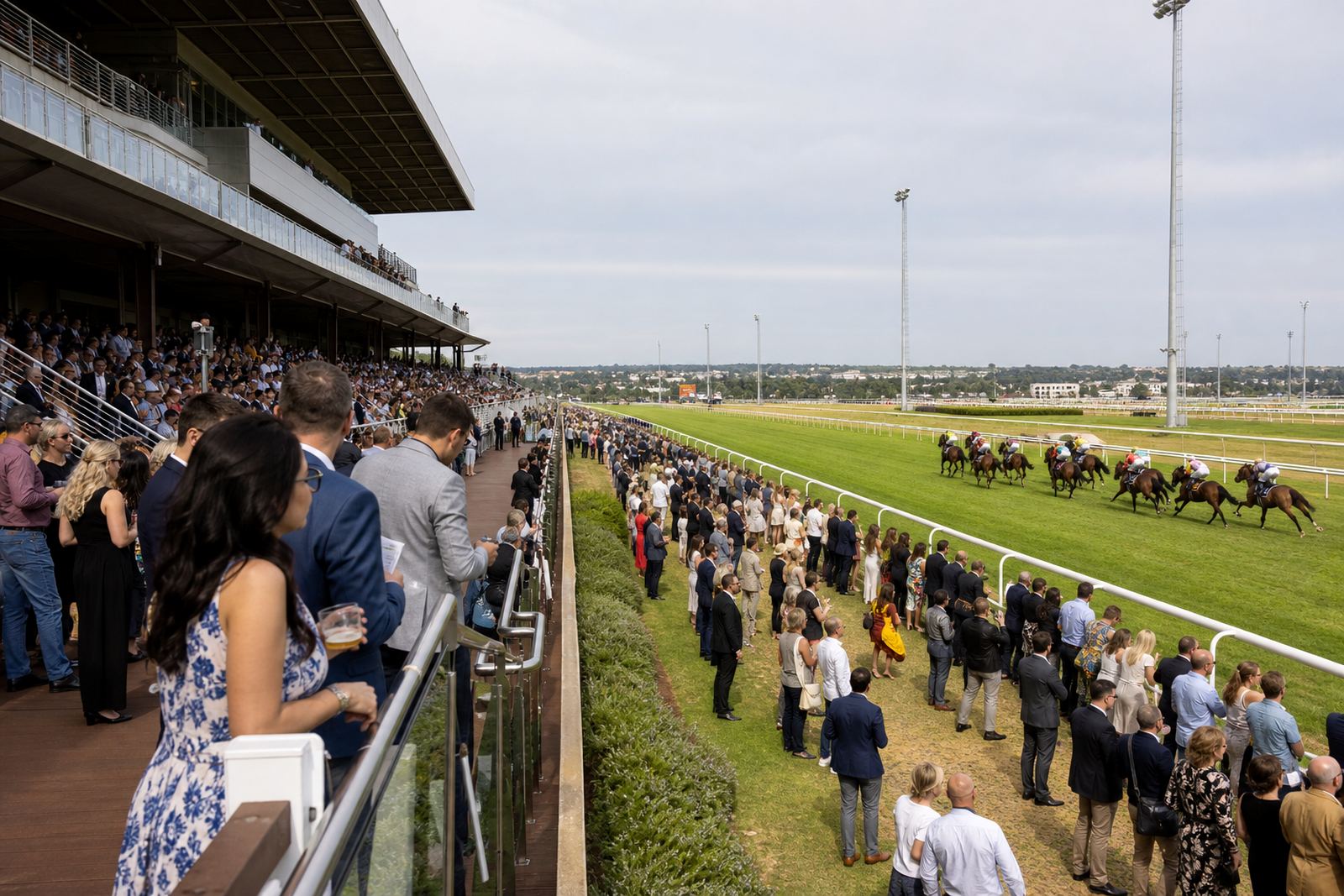
The grandstand suits people who like a broad view and a more measured day. From higher up, you can see the field break away, how the pace develops and whether a horse is travelling smoothly or being hard ridden. That wider perspective is useful for reading form in real time, especially in fields where early speed and positioning matter.
For many visitors, this is the easiest place to follow the race from start to finish. It is also a practical choice when the weather is warm or changeable, because you are usually more sheltered than you would be at the rail. If you are at Scottsville or Fairview on a windy day, that shelter can make a real difference to how long you stay comfortable.
The grandstand works well for groups who want to talk through a racecard between events. You can review the runners, check the track condition notes and compare what you saw in the parade ring with the way the race unfolds.
The Parade Ring: Where Form Reading Starts Before The Start
The parade ring is one of the most valuable places for novice punters and experienced racegoers alike. It is where you can watch the horses before they go to post and check whether a runner looks calm, warm, on edge or perhaps carrying too much condition for the day. While body language does not tell the full story, it can support what you already know from the form guide.
Look for small signs rather than dramatic conclusions. A horse that walks freely and settles well may be ready to run its race, while one that sweats heavily or keeps throwing its head may be more difficult to assess. Some runners look relaxed and still deliver poor performances, and others appear keen yet go on to run well. Form reading is about combining clues, not chasing one sign alone.
- Check the horse’s coat, posture and general composure.
- Compare how the runner moves with previous race notes.
- Use the parade ring with track condition and pace information, not instead of it.
At busy meetings in Johannesburg, the parade ring is also where you can hear experienced racegoers talk through the card. Listen, but keep your own judgement. That balance matters.
Hospitality Balconies: A Practical Base For A Full Race Day
Hospitality balconies suit visitors who want a fixed base with better comfort, service and a clear view. They are popular with groups, corporate guests and racegoers who prefer a slower pace between races. In practical terms, this means less standing in queues, less moving around in the heat, and more time to focus on the card, the tips and the people you came with.
For South African race days, that comfort is not just about convenience. It can help when the weather turns hot, when load-shedding or venue interruptions affect routines, or when a long afternoon would otherwise become tiring. A balcony gives you a place to regroup, note track bias and compare late changes before the next race.
Racing House hospitality packages are suited to meetings at Turffontein, Greyville, Kenilworth, Scottsville and Fairview, with practical planning for track access, timing and guest movement. If you are hosting clients or coming with friends from Rosebank, Sandton, Midrand, Randburg, Bedfordview, Pretoria, Centurion or Kempton Park, a balcony often gives the most predictable day.
Race-Day Etiquette That Makes The Day Better For Everyone
Good race-day etiquette keeps the atmosphere relaxed. Whether you are at the rail, in the grandstand or on a balcony, the basics are the same: be mindful of other people’s view, keep walkways clear and move with care around betting windows and railings. Most racegoers appreciate people who know when to chat and when to let others focus on the race.
If you are bringing new punters, explain the card without crowding them. Give them room to ask questions and make their own decisions. On the course, it also helps to keep your phone use discreet and to avoid blocking the view when the horses are loading. Small courtesies make the day smoother for everyone.
- Do not stand in front of seated guests during the race.
- Keep drinks, bags and coats out of walkways.
- Respect quiet moments before the start and during close finishes.
- Follow venue instructions and local racecourse rules.
A Johannesburg Example: Picking The Right Spot For The Day
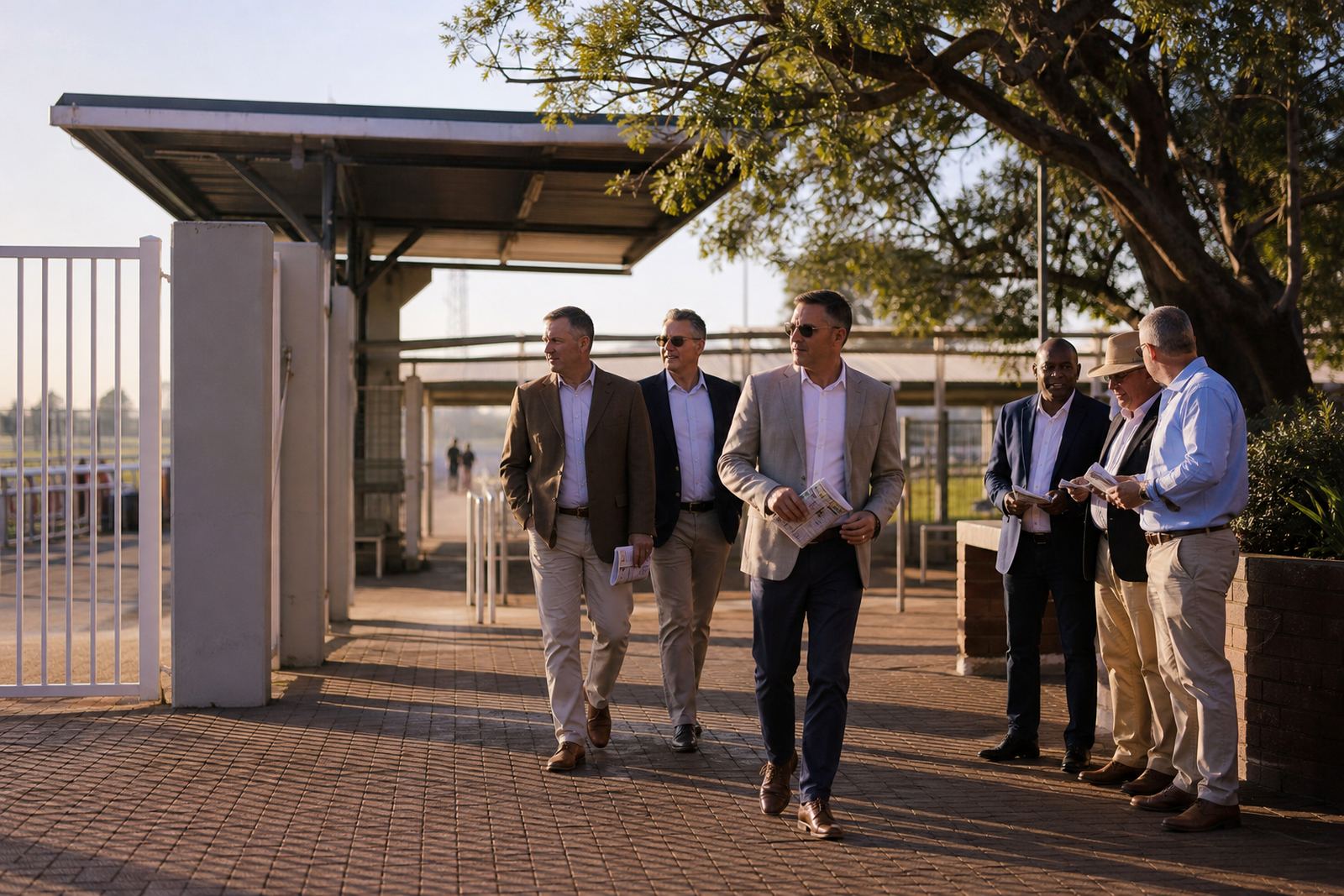
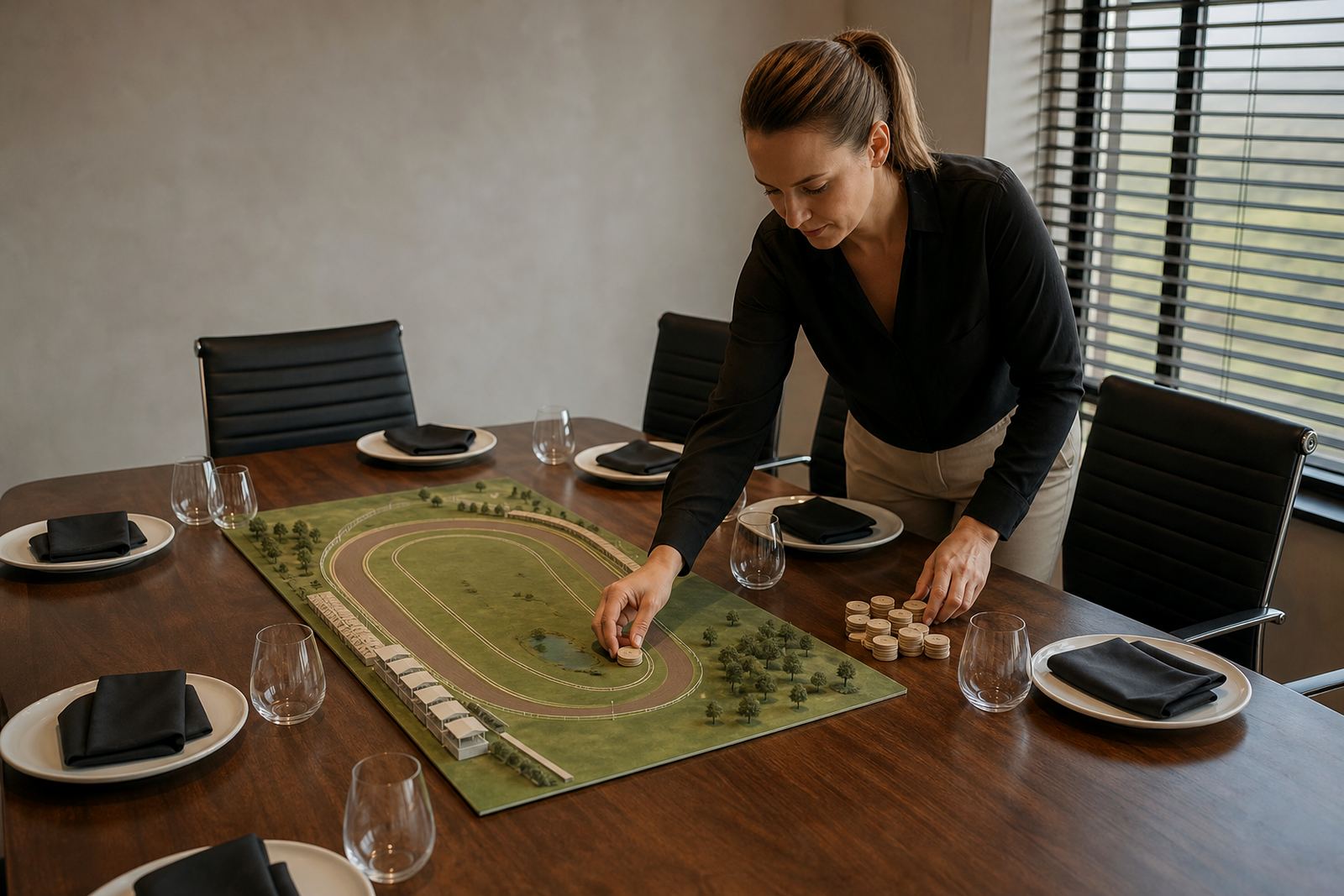
Say you are heading from Rosebank to Turffontein with a small group and you want to make proper use of the form guide. If your focus is detailed race reading, you may start near the parade ring, watch how the runners behave and then move to the grandstand for a full view of the race. If the group wants a social day with food, conversation and a steady base, a hospitality balcony makes more sense. If one of your friends enjoys the rush of being close to the action, the rail can be a worthwhile stop for a race or two.
The best race day is usually the one that matches your habit. Some punters like to study the horses before each race, then settle in and compare notes. Others prefer a quieter setup where they can follow the racecard, check the ground, and enjoy the afternoon without rushing. Racing House helps clients choose the right viewing setup for the way they bet, watch and socialise.
And if betting is part of the day, keep it measured. Set a budget before you arrive, and treat the form guide as a tool for informed decisions, not a guarantee. Responsible betting is essential for adults 18+.