
Why the first hour matters more than people think
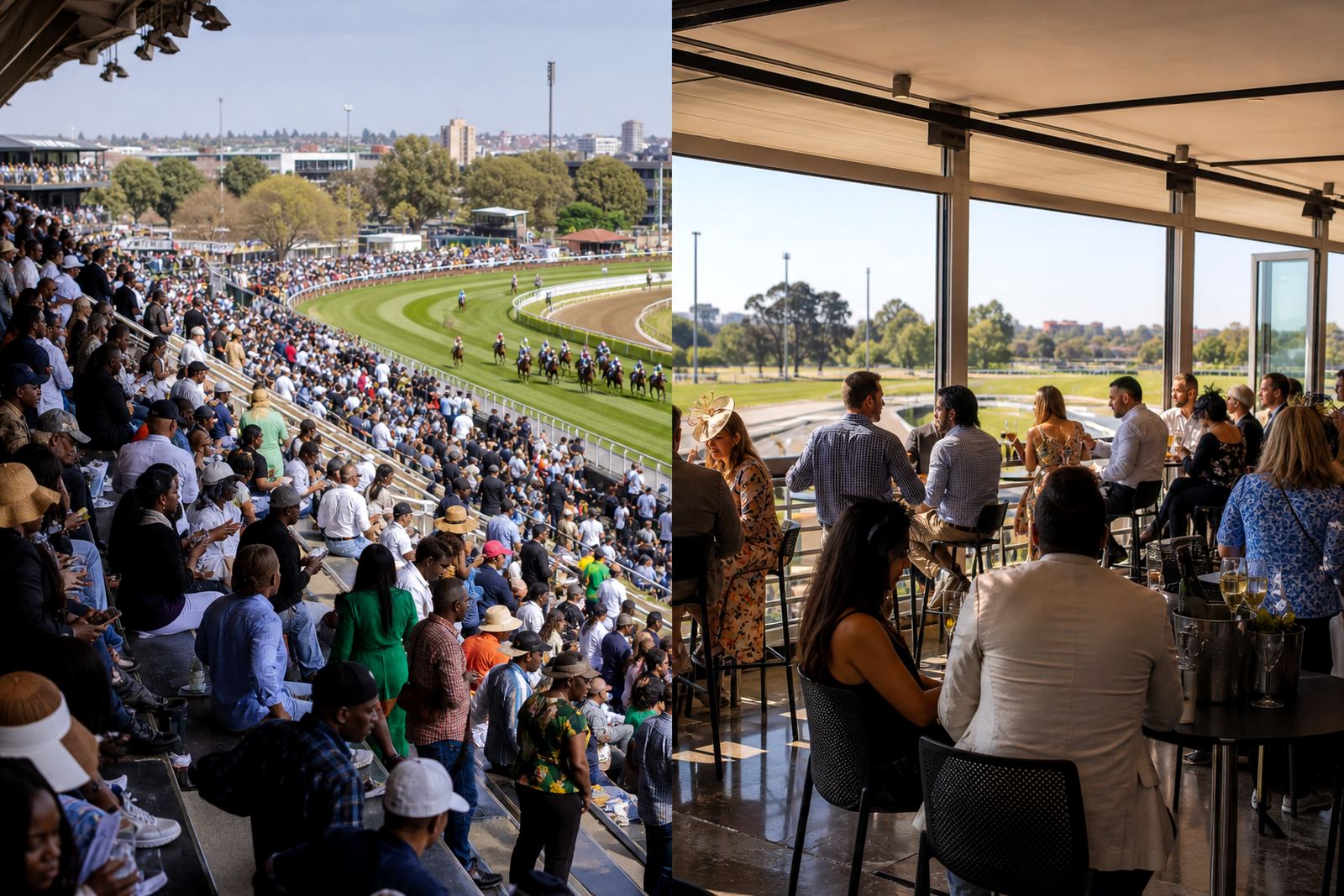
At a busy meeting, the difference between arriving on time and arriving late is usually felt before the first race even goes off. Parking fills up, the entrance queue gets longer and people who arrive rushed often miss the chance to look through the card with a clear head. If you are using Racing House form notes, this early window is when they are most useful, because you can compare the information against the live conditions without pressure.
In Johannesburg, a Saturday meeting can already test your timing. Traffic from Rosebank, Sandton, Randburg and Bedfordview can move slowly if there is an event on or rain has made the roads heavy. Add a last minute coffee stop and suddenly your calm afternoon becomes a sprint from the gate to the rail. Arriving early keeps the day orderly and helps you enjoy the experience instead of chasing it.
Parking, drop off and the small delays that spoil a good plan
Parking is often the first practical hurdle. At popular racecourses, the spaces nearest the entrance go quickly, and even the overflow areas can take longer than expected to clear after a feature race. If you are meeting a group, it helps to agree on a single drop off point before you leave home. That saves time and cuts down on calls once you are on the road.
A few simple habits make the difference:
- Leave earlier than you would for a normal appointment
- Keep your tickets, ID and booking details in one place
- Check the route for roadworks or match day traffic before you leave
- Give yourself time for a short walk from the car to the gate
- Have a backup plan if your first parking choice is full
Those details sound small, but they matter when the sun is already up and the racecard is moving quickly. A calm start means you are not missing the opening races while sorting out the car and entry.
Hospitality check-in runs better when you are not rushed
For guests using hospitality packages, early arrival is not just convenient, it is practical. Check-in tables, seating allocations and welcome details move faster when guests come through in a steady flow. If you arrive late, you can end up missing the first few minutes of the experience, and that can affect the whole day.
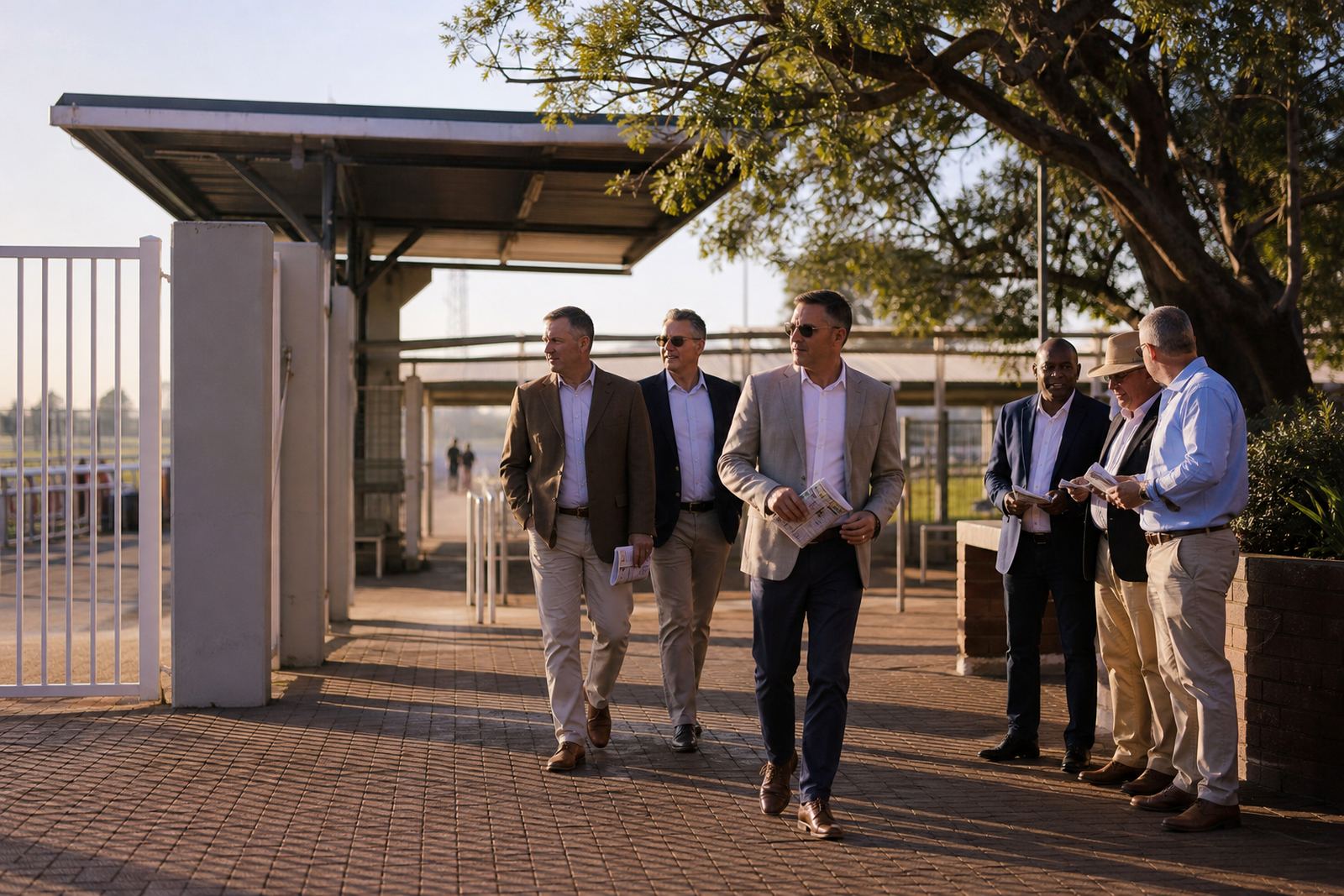
Our hospitality team knows how quickly a race day can get busy, especially at major meetings. In places like Turffontein and Greyville, where crowds can build fast, a simple delay at the gate can ripple through the rest of the afternoon. Arrive early, let the staff do their job properly and give yourself time to settle before the first race. That is good race-day etiquette as well, because it keeps the entrance area moving for everyone.
The best time to read form is before the noise starts
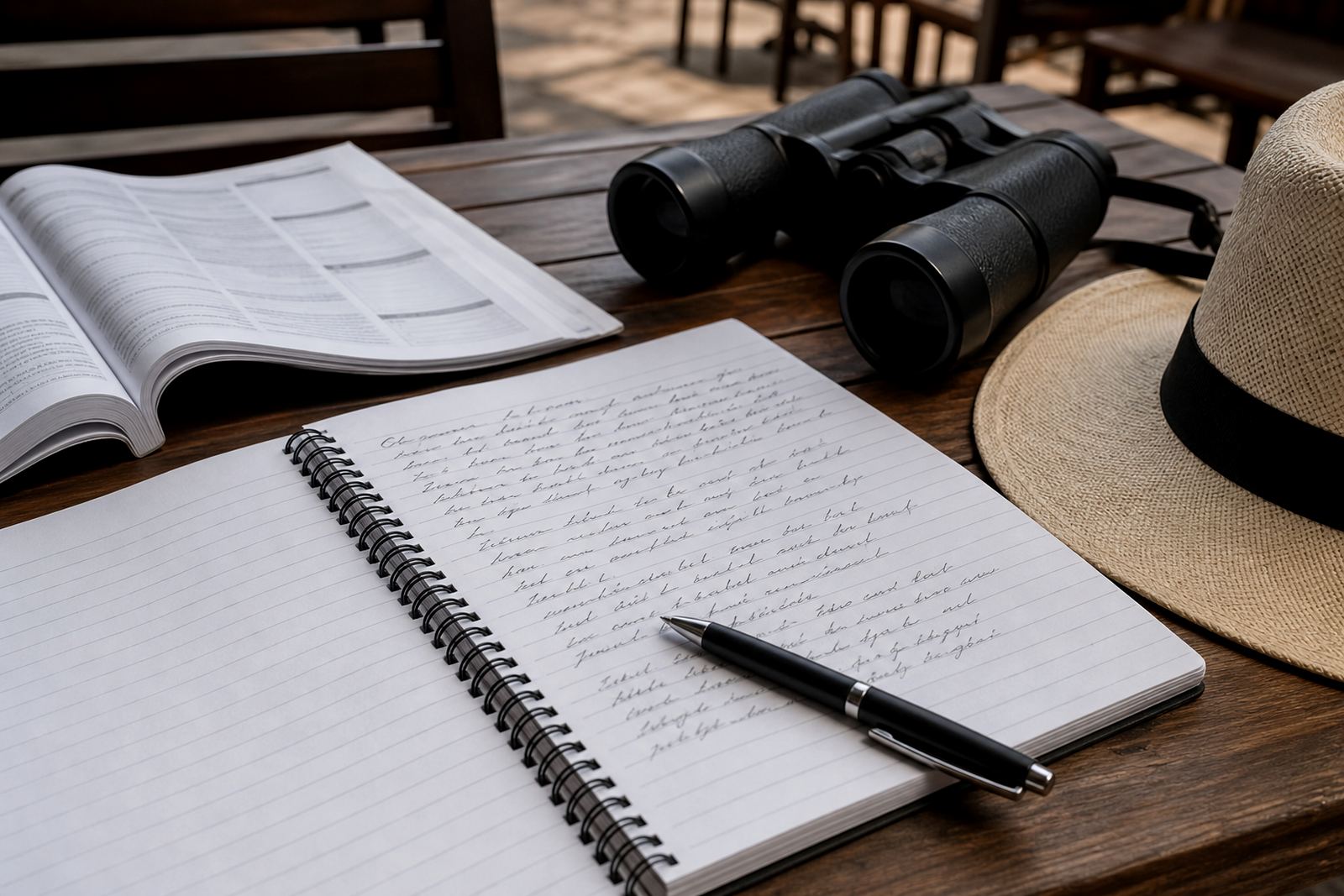
Form reading is much easier when your mind is clear. Once the crowd gathers and the races are close together, it becomes harder to compare runners properly. Early arrival gives you space to work through the racecard and use the kind of support Racing House provides, such as track condition notes, pace map notes and racecard shortlist guidance.
If you are new to racing, the main things to look at are straightforward:
- Recent runs and whether the horse is improving or holding form
- Distance suitability, especially if the race is over a new trip
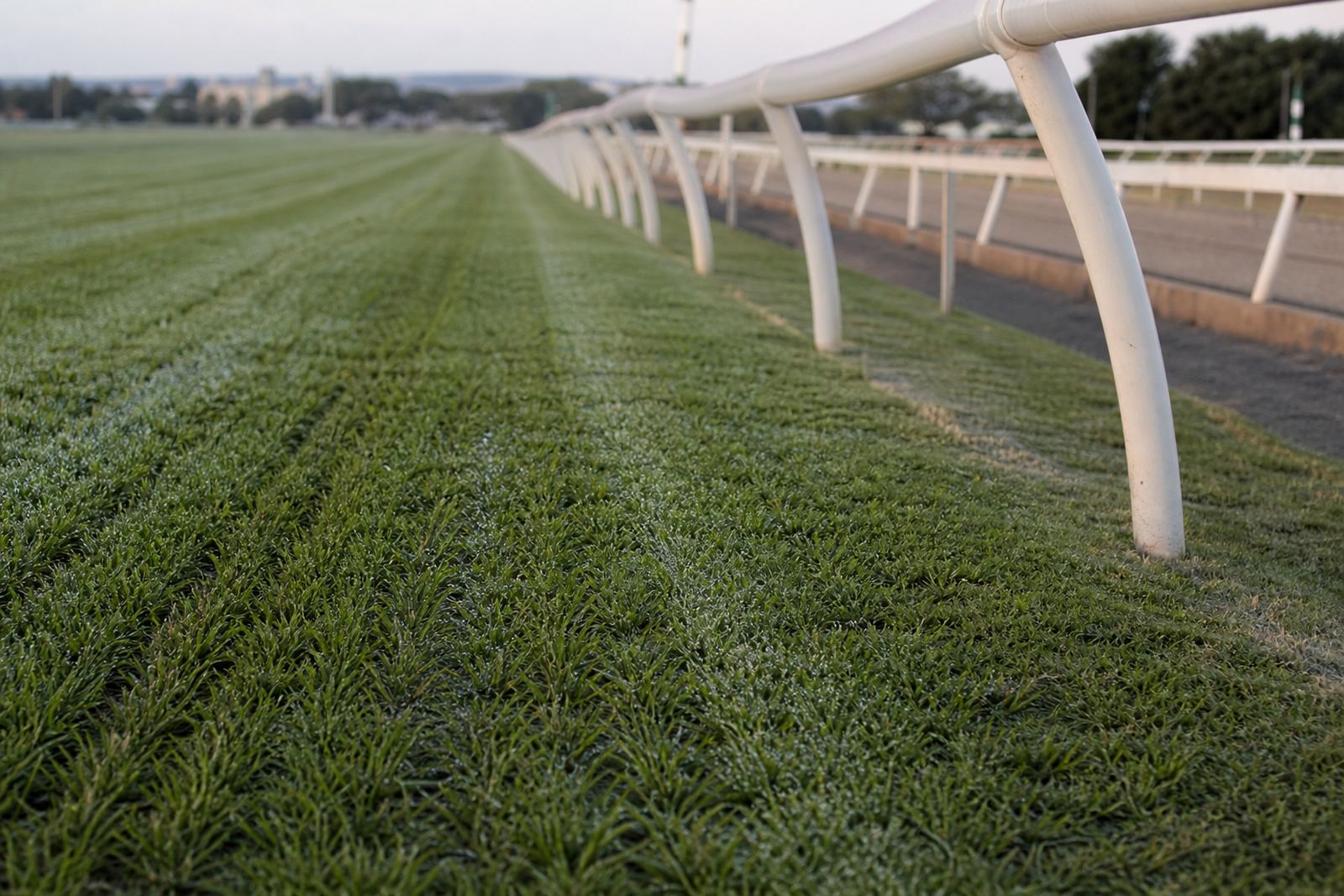
- Track conditions and whether the ground may suit or test the field
- Draw position and how it may affect the run, where relevant
- Pace shape of the race, especially in smaller fields or sprints
This is also where a slower pace helps. You can ask questions, check the racecard again and make a shortlist without feeling hurried. That is better than making a quick call while the parade ring is already filling up.
A local example from Rosebank to Turffontein
Take a standard Johannesburg race day from Rosebank. If you leave late, a minor traffic hold-up near the M1 or a slow turn into the racecourse can cost you a proper start. You arrive stressed, miss the best parking and walk in just as the early races are beginning. By the time you have found your seat and checked your notes, you are already behind.
Now compare that with an early departure. You reach the course with time to spare, settle into your space and go through the meeting preview at your own pace. You can match the going to the card, ask about scratchings and look at the horses in the parade without feeling squeezed. The whole day feels more organised, and that usually leads to better decisions. No one can remove the uncertainty from racing, so if you are betting always do so responsibly and only within your means.
Good race-day etiquette starts before the first bell
Arriving on time is also about courtesy. It keeps queues shorter, reduces noise at entry points and makes the day smoother for staff and other guests. At racecourses across Gauteng, KwaZulu-Natal and the Cape, people notice the difference between a guest who is settled early and one who arrives with a rushed attitude.
Keep these basics in mind:
- Be ready to show your booking or entry details promptly
- Keep aisles clear when moving to your seat or standing area
- Turn your attention to the parade and race start without blocking others
- Respect the pace of service at food and beverage counters
- Stay considerate if you need to step away during a race
That kind of behaviour makes the day better for everyone. It also helps you stay focused on the racing rather than on avoidable interruptions. If you want a more measured day, early arrival is one of the easiest ways to get it right.