
Start With The Official Going And Weather Notes
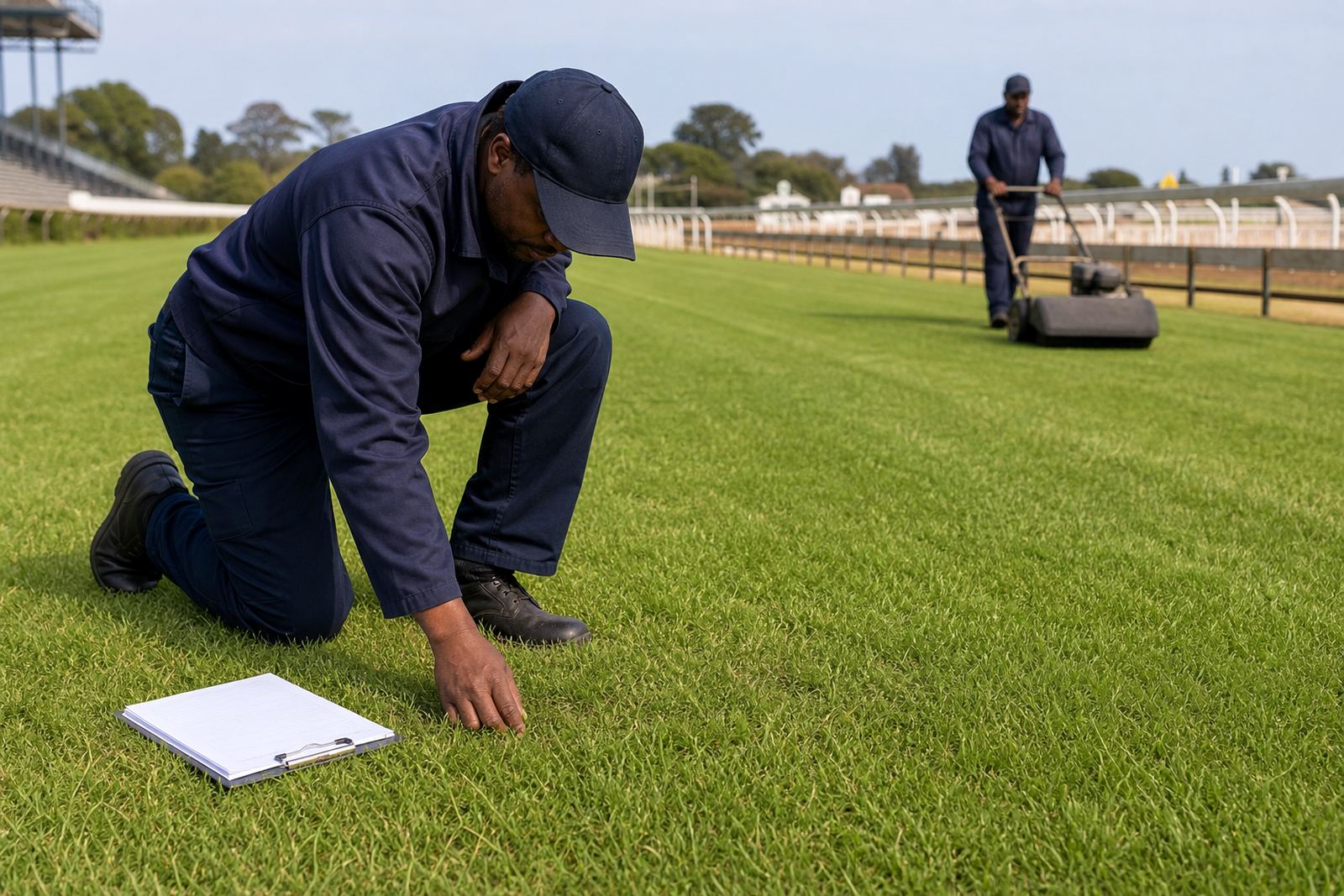
Before you look at names or colours, check the going for the meeting. In South African racing you will usually see descriptions such as firm, good, yielding, soft or heavy, and those words matter. A dry week in Johannesburg can leave Turffontein riding quicker, while a coastal shower in Durban can change Greyville quickly. At Kenilworth and Fairview, wind and moisture can also affect how races unfold, so it helps to read the going update on the day, not the night before.
As a simple rule, match the going to the horse’s past runs. Some horses handle a testing surface better, while others want a quicker track under foot. If a horse has been reported as disappointing on soft ground, do not ignore that note just because it ran well last time on a better surface.
- Check the latest going update close to race time.
- Note any rain, heat, wind or waterlogged sections.
- Compare today’s conditions with the horse’s best recent runs.
How To Read Form Comments Without Guessing
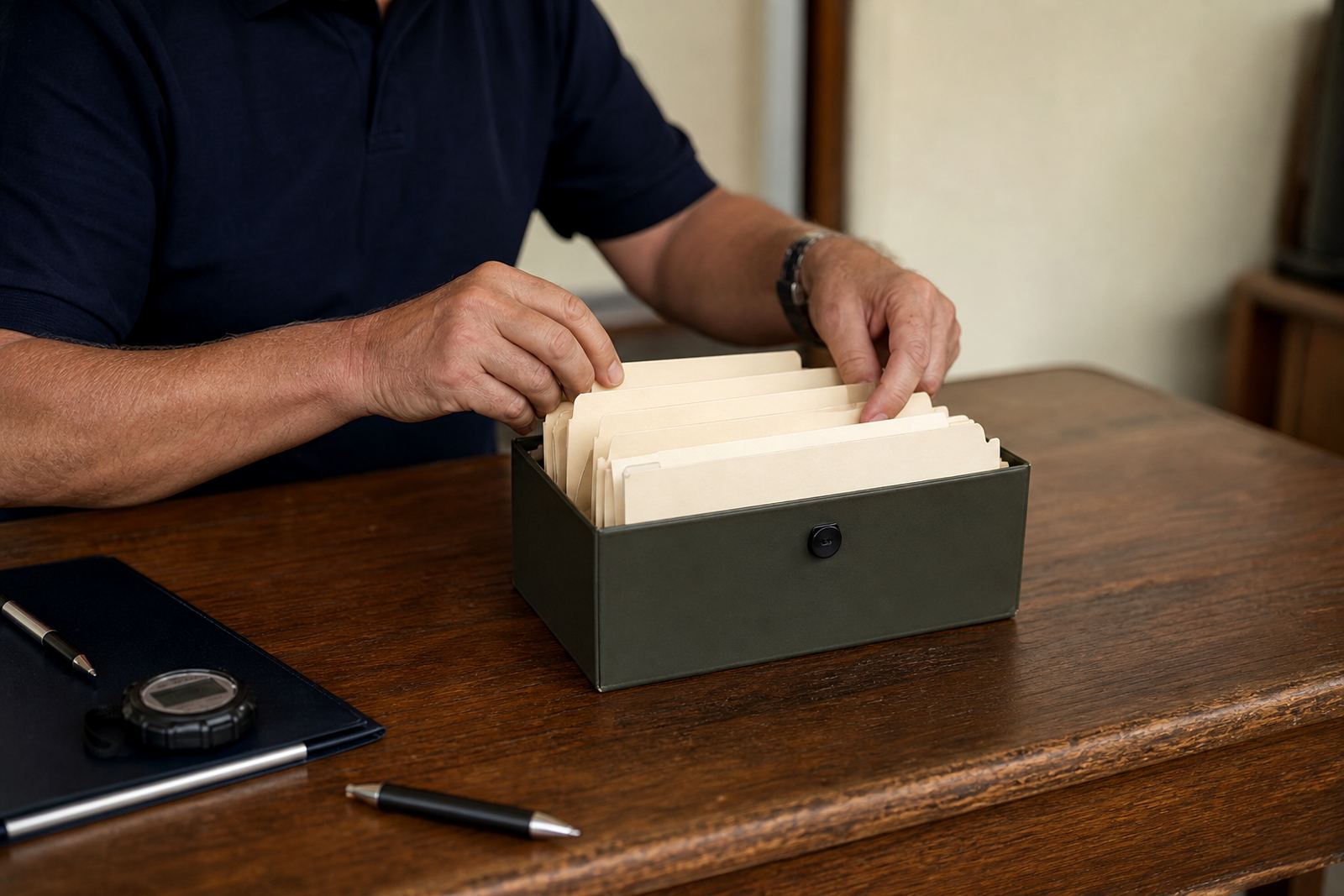
Form comments are short, but they often tell you enough if you read them carefully. Phrases like “never got into stride”, “met traffic”, “hung out”, “respected leader” or “finished strongly” all point to a race shape, not just a finishing position. A horse that was beaten but kept making ground late may be better than the bare result suggests, especially if the pace was slow or the draw was against it.
Look for repeated patterns. If the same note appears several times, that is useful information. A horse that is always slow away or always needs cover may need a specific race shape to show its best. That is where patience helps. Do not overreact to one bad run if the comment explains the run and the horse has previously handled similar conditions.
- Read the last 3 to 5 runs, not only the most recent one.
- Separate excuse-based runs from true poor efforts.
- Watch for repeated notes about pace, draw, or lack of room.
Pace, Draw And Track Position Matter
Going is only one part of the picture. The pace of the race and where a horse is drawn can change how a surface plays. On some days the inside rail may be favourable, while on other days the outside lanes offer better footing. That can vary at Turffontein, Scottsville and Greyville depending on rail movement, weather and how much racing has already taken place on the card.
If a race looks likely to be run at a strong pace, horses with a late finishing style can benefit. If there is little early speed, front runners may get an easy time in front. Read the pace map notes with the track condition in mind. A handy runner on a good surface may struggle if the ground turns sticky and the tempo is hot early.
- Check whether the race suits front runners, stalkers or closers.
- Look at the draw, especially in sprint races.
- Ask whether the pace could help or hinder your shortlist.
What A Going Guide Should Tell You On Race Day
A proper going guide should help you answer a few practical questions before you place a bet or finalise your race day plan. It should tell you which horses may appreciate the ground, which runners may be vulnerable, and whether the day is likely to suit a certain style of racing. That makes your choice more grounded and less emotional.
At meetings where hospitality is part of the day, the going guide also helps with timing. If rain is expected or the wind picks up, you can plan your arrival, viewing spot and movement around the course more sensibly. In Johannesburg, a cool afternoon at Turffontein can feel very different from a humid day at Greyville, so dress for the conditions and allow time for parking and entry checks.
- Use the guide to narrow your shortlist, not to force a bet.
- Check if the meeting is likely to favour stamina or speed.
- Plan for weather, travel time and racecourse access.
Racecourse Etiquette And Practical Viewing Tips
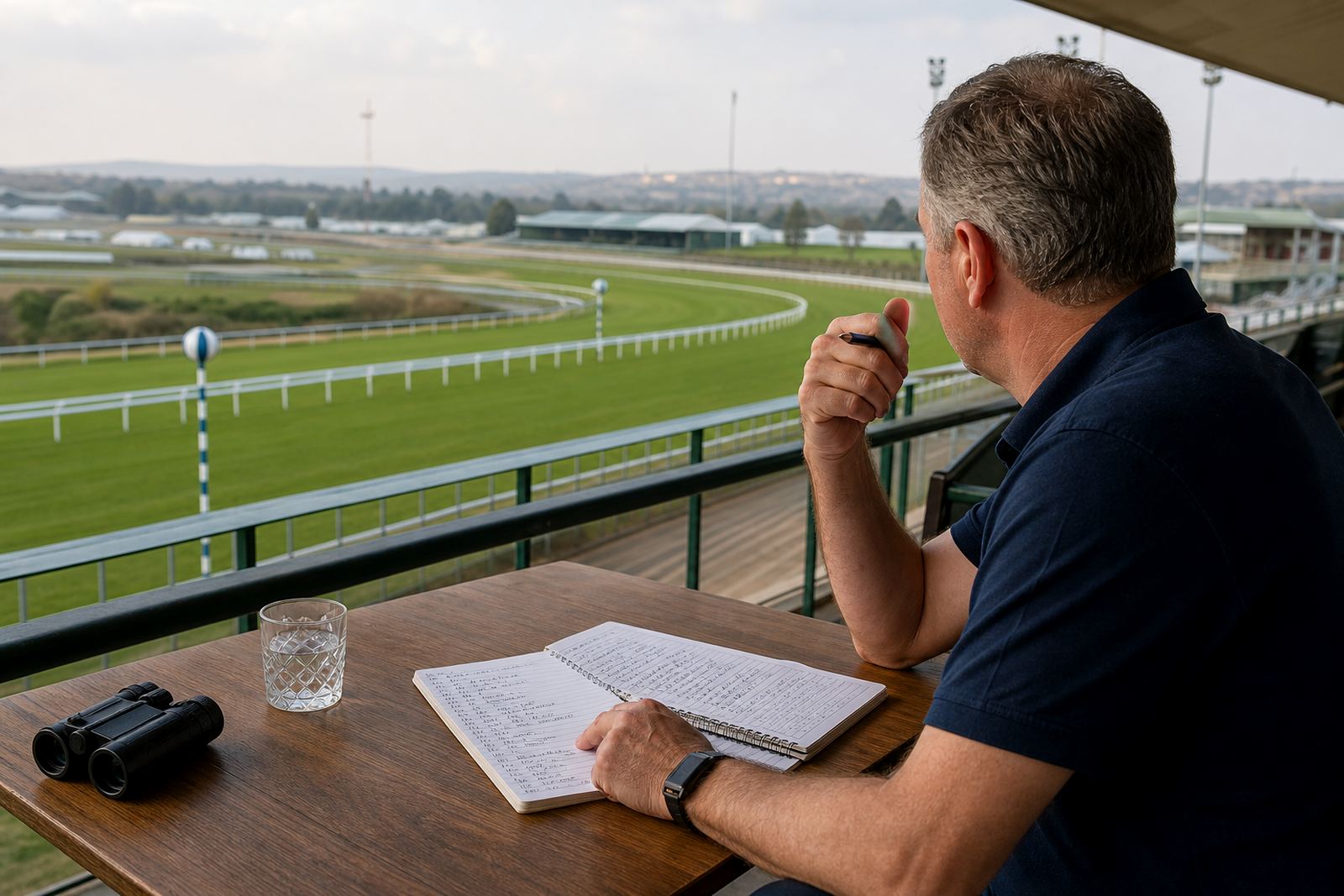
Good etiquette makes the day better for everyone. Arrive with enough time to find your spot, study the racecard and settle in before the first race. Keep aisles clear, respect reserved hospitality areas, and avoid blocking the view for others near the rails or around the parade ring. If you are new to the course, ask staff or race day coordinators where you should stand or sit rather than drifting into restricted areas.
For adults 18+, betting should stay controlled and sensible. Set a limit before the meeting, and never chase losses during the card. If you are unsure, start with the basics and use the form guide to learn rather than to guess. Responsible betting means treating racing as entertainment, not income.
- Bring cashless payment options where allowed, and keep your ticket or booking details handy.
- Be polite when moving through queues, viewing areas and hospitality spaces.
- Respect racecourse rules on cameras, smoking, and restricted access zones.
A Simple Checklist Before You Back A Horse
Use this short checklist when reading going notes and form comments together. It keeps the process practical and stops you from getting carried away by one eye-catching line in the form. If three or four boxes line up, you have a stronger case than if you are relying on hope alone.
Start with the track condition, then the horse’s recent efforts, then the pace and draw. After that, ask whether the horse has previously run well in similar conditions. If the answer is yes and the comments are positive, the runner becomes more interesting. If the notes point to bad ground, poor position or a race that did not suit, be careful and move on if needed.
- Does today’s going suit the horse?
- Are the recent comments encouraging or full of excuses?
- Does the pace scenario help the running style?
- Is the draw workable for this distance and track?
- Have you set a betting limit for the day?