
What carried weight really means on race day
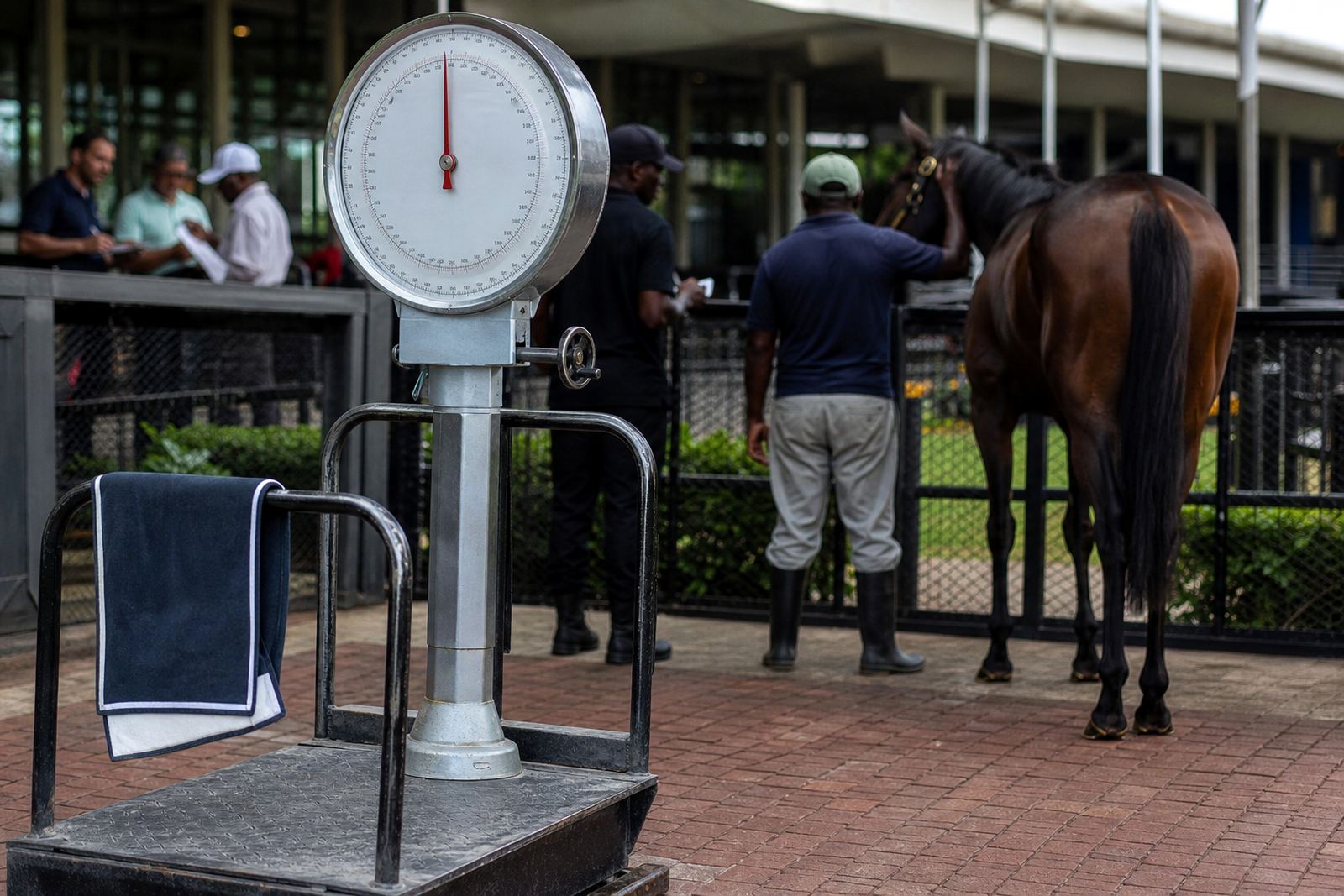
In a race card, the weight shown is the amount the horse must carry, including the jockey and the saddle. It is there to help level the field, especially when horses of different ability meet over the same trip. A lower weight can help a horse finish its race, but it does not automatically make that horse the best runner in the field.
South African punters often look at weight first because it is easy to spot. That is useful, but only as a starting point. A horse carrying a light weight may still be out of form, unsuited to the distance, or drawn badly for that course. Another horse giving weight away may still be the stronger option if its recent runs, track record and pace profile all stack up well.
At Turffontein, Greyville, Kenilworth, Scottsville and Fairview, the going, the rail position and the shape of the track can all change how much weight matters. On a stiff finish or a testing surface, extra kilos can count more in the final furlong. In a race run at a steady tempo, weight may matter less than positioning and tactical speed.
How to read weight with form, not instead of form
Use weight as one line in the form guide, not the headline. If a horse is well weighted but has poor recent runs, has been dropping out early, or is stepping up sharply in class, the weight alone will not rescue the bet. If a horse is top-weighted but is consistent, well drawn and handles the conditions, it can still be a strong contender.
A practical way to approach it is to ask three questions: is the horse fit, is it in the right race, and does the weight suit the likely race shape. That is where Racecard Shortlist work, Pace Map Notes and Track Condition Notes become helpful. A horse can carry more weight and still perform well if it sits in the right spot, gets cover and finishes strongly.
- Check the last three runs, not only the latest finishing position.
- Note whether the horse was staying on, weakening, or never involved.
- Compare weight today with what it carried when it ran better.
- Look at the class of race and whether this is a rise or drop in grade.
- Match the weight against the distance, especially over 1800m and up.
When weight starts to matter more than usual
Weight becomes more important in certain race types. In long-distance races, every extra kilogram can tell in the final stages. In feature meetings, where the field is stronger and margins are tight, small weight differences can help separate runners that otherwise look similar on paper. It also matters more if the horse has been racing often, because a tired runner can feel the weight more late in the race.
Track condition changes the picture too. On a wet or holding surface, a horse may labour more under weight than it would on a firm track. On hot afternoons in Gauteng, a horse that has travelled well but sweated up before the race may not carry its burden as comfortably. At coastal tracks, humidity can also affect stamina and recovery. That is why a weight guide should always sit next to the paddock report, if one is available.
Do not ignore the draw either. A horse carrying a handy weight from a poor gate may still need to work hard early, which cancels out the weight advantage. In some races, the run to the first turn and the likely pace are more important than a kilo or two either way.
A simple checklist before you back a horse
If you are using weight to narrow down a race, keep the process simple and repeatable. This helps both novice punters and experienced customers avoid reading too much into one figure on the card. Racing House often recommends building your view from the race conditions up, then deciding if the weight helps or hurts the chance.
- Start with the distance and ask whether the horse stays that trip well.
- Check the horse’s recent form for signs of fitness and consistency.
- Compare today’s weight with the horse’s previous winning or placing runs.
- Look at the likely pace. Is the race likely to be fast, moderate, or tactical?
- Consider the course and going, including whether rain has softened the track.
- Read any notes about draw, track bias or late scratchings.
If the answer is positive in most of those boxes, the weight is supporting evidence. If not, treat a nice-looking weight as only a small part of the story. Responsible betting matters, so only wager what you can afford to lose and never chase losses.
Race day etiquette and how weight fits the bigger picture
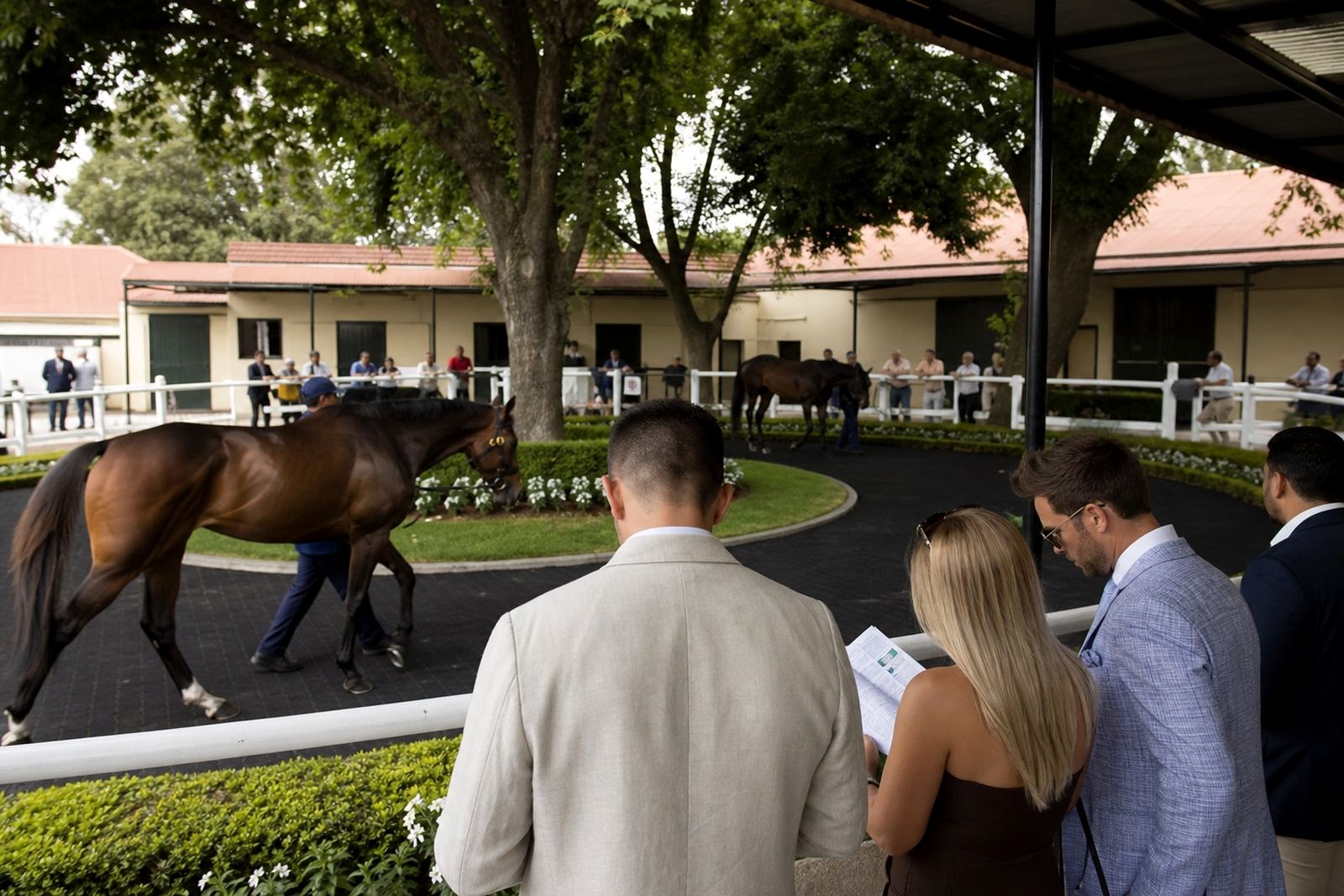
On race day, good etiquette keeps the experience smooth for everyone at the track. Arrive with enough time to collect your race card, settle in and review the fields before the first race. Listen to the racecourse announcements, keep walkways clear and be respectful in viewing areas and hospitality spaces. If you are there with friends, agree on your selections before the race, not while the horses are loading.
Weight can help you discuss a race with more confidence, but it should not turn into arguing every detail with no plan. The best approach is calm and practical. If a horse looks well weighted but lacks pace, note that. If another carries top weight yet dominates the class, note that too. That balanced thinking is what helps with race-day decisions and with enjoying the day itself.
For hospitality guests, the same applies. Use the race day to study the form, ask questions and enjoy the occasion. A relaxed punter makes better decisions than a rushed one. Responsible gambling reminder: betting should stay within your limit and never affect your household budget.
How Racing House uses weight in daily, weekend and feature guidance
Our form-based services look at weight as part of a wider race read. Daily Tip Notes and the Midweek Briefing can highlight when weight is supporting a runner or when another factor is more important. For weekends and feature meetings, the Weekend Preview Service and Feature Meeting Tips give more detail on class, pace and conditions, so the weight does not get overplayed.
For newcomers, Novice Punters Help and Form Reading Support can explain why a horse carrying less weight is not always the safer pick. For track-specific days, Track Condition Notes and Pace Map Notes help show whether the race shape is likely to favour front-runners, hold-up horses or those sitting just off the pace.
Clients in Rosebank, Sandton, Midrand, Randburg, Bedfordview, Pretoria, Centurion and Kempton Park can enquire through the contact page form for form guidance or race-day hospitality packages at South African racecourses. We work with practical race information and keep the focus on what matters most on the day. No weight guide is complete without the rest of the form.