
Start With the Meeting and the Venue
Before you head out, confirm the racecourse, first race time and whether you are going for the full card or only a few feature races. Racing House covers meetings at Turffontein, Greyville, Kenilworth, Scottsville and Fairview, so it helps to match your plan to the track, the weather and the travel time from your side of Gauteng or beyond.
A meeting plan should begin with simple practical checks. If you are coming from Rosebank, Sandton, Midrand, Randburg, Bedfordview, Pretoria, Centurion or Kempton Park, leave enough time for traffic, parking and entry queues. On busy Saturdays, a late arrival can mean missing the preview, the first few races, or the chance to settle in properly before the feature.
- Check the first race time and last race time
- Confirm the racecourse and your entry point
- Allow extra time for traffic, parking and queues
- Keep the weather in mind for hot afternoons or wet coastal days
Read the Form Before You Pick a Horse
Good form reading is about understanding what the race conditions mean, not chasing a lucky guess. Look at recent runs, class level, distance, barrier draw, going and whether the horse is stepping up or down in trip. A runner that finishes well in a stronger race may deserve more respect than one that won in a weaker field, even if the win looks plain on paper.
Pay attention to pace map notes and track condition notes when they are available. A horse that likes to race handy may be suited to a track with a tight run-in, while a strong finisher can benefit if the early pace is honest. If the surface is soft after rain, or if the wind picks up at a coastal venue, that can affect how the race unfolds. Keep your shortlist small and practical so you are not trying to follow every runner in every race.
- Recent form, not only old wins
- Distance suitability and race class
- Barrier draw and expected race shape
- Going, track condition and weather
- Late market moves, but do not rely on them alone
Use a Simple Race Day Checklist
A well packed day makes it easier to stay focused on the card. Bring only what you need, keep your tickets and notes together, and make sure your phone is charged before you leave home. Load-shedding can affect charging plans, so top up devices early if you want to check tips or meeting notes on the move.
Set your budget before the first race and keep your staking plan clear from the outset. If you are following a meeting recap or a racecard shortlist, write down your selections and staking plan in advance. That way you are not making rushed decisions between races. Keep some cash or a suitable card on hand for food, drinks and transport, and if you are betting, stick to amounts you are comfortable losing.
- Charged phone and power bank if needed
- ID, wallet and any entry or hospitality details
- Notebook, pen and your shortlist
- Weather suitable clothing and a light jacket
- Budget set before the first race
Responsible betting reminder: bet only if you are over 18, set limits before the day starts, and do not chase losses.
Hospitality Plans That Keep the Day Comfortable
If you have booked a hospitality package, arrive early enough to settle in before the racing starts. A good hospitality plan should make the day easier, not more rushed. Know where to report, what is included, and whether your group has a reserved area, seating or access requirements. At larger racecourses, clear meeting points save time and avoid confusion once crowds build.
For groups, assign one person to handle arrivals and another to keep an eye on the race times. That works well for corporate outings, birthdays or a day out with friends. It also helps to brief everyone on the plan for food breaks, tote windows and when to regroup before the feature races. If children are not permitted in a space, or if dress rules apply, sort that out before you travel.
- Confirm arrival time and check in details
- Know what food, drinks and seating are included
- Agree on a meeting point for your group
- Check dress code and venue rules in advance
Racecourse Etiquette Everyone Should Follow
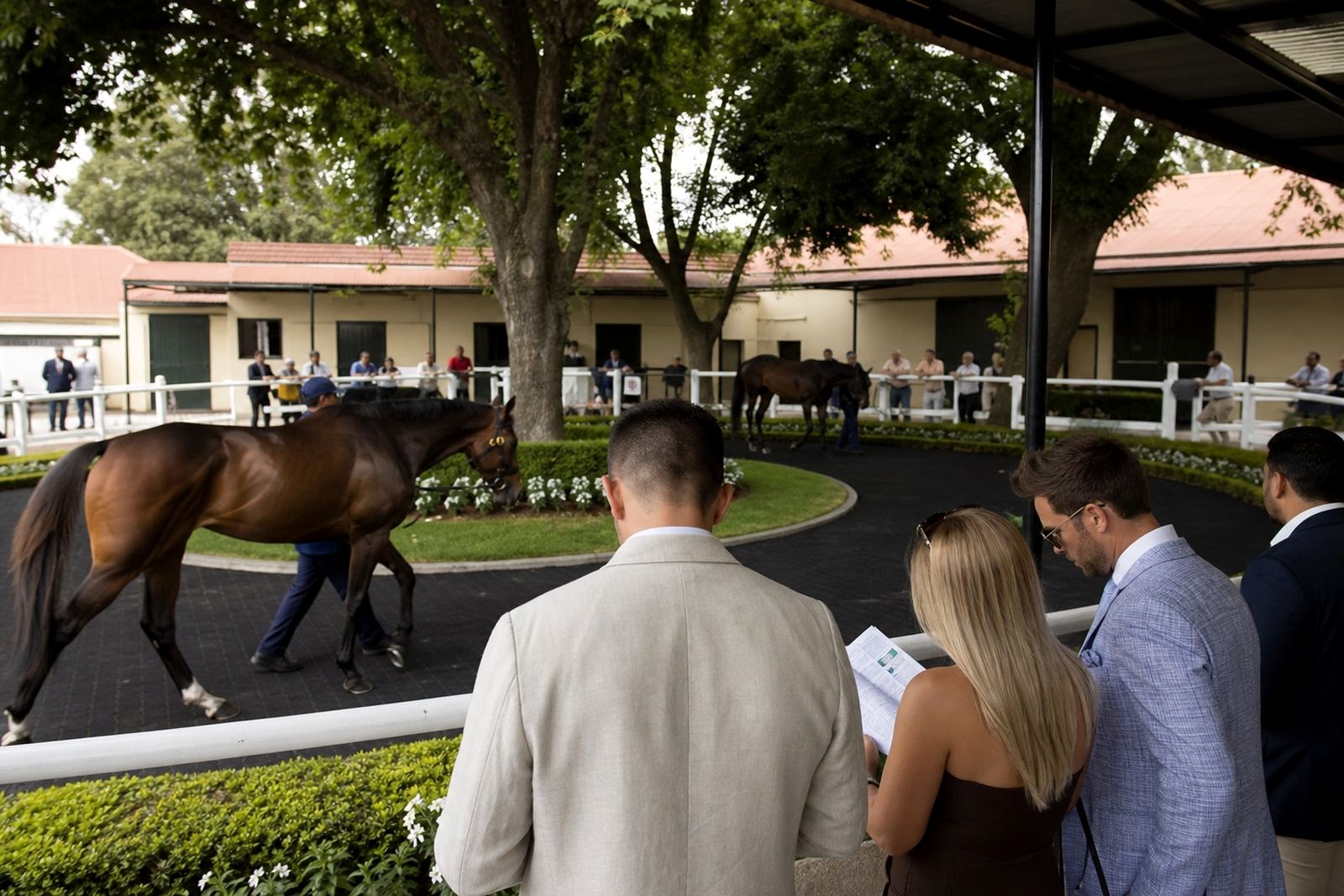
Good race day etiquette keeps the day pleasant for everyone. At the parade ring, do not block the view of others and keep your voice down when the horses are being assessed. Around the betting area, be ready with your selection and avoid holding up the queue. If you are not sure how a tote window or hospitality service works, ask politely and wait your turn.
Be careful with phone use near the rail or in seating areas where others are watching the race. Cheer the race, but do not step into walkways or stand where you may block traffic. If you are with a group, keep noise and movement under control during the running of the race. A little courtesy goes a long way and it makes the day better for newcomers too.
- Queue neatly and have your details ready
- Do not block views at parade or around the finish
- Keep walkways and stair areas clear
- Respect staff, racegoers and officials
From the First Race to the Last Race
Once the meeting gets underway, keep to your plan and review each race in sequence. Compare what you expected with what actually happens on track. Was the early pace quicker than you thought? Did the inside or outside lanes seem to suit? These observations help with later races on the same card, especially when conditions are changing through the afternoon.
Use the breaks to refresh your notes, stretch your legs and keep an eye on the weather. If the going changes, revisit your shortlist rather than forcing the same view all day. A meeting recap note after the last race can be useful for the next outing, especially if you follow midweek briefings or weekend previews. Leave with your notes in order, your group together and your transport arranged before the crowd builds again.
If you want support before your next meeting, Racing House can assist with form reading, racecard shortlists, pace map notes and hospitality planning for South African racecourses.
Responsible betting reminder: if betting stops being fun, step back, set a limit for the next outing, and speak to someone you trust.