
Start With the Racecard, Not the Noise
A racecard gives you the basics needed to make sense of a race. Begin with the runner number, barrier draw, weight carried, jockey booking and recent runs. If a horse has been racing over 1200 metres and now steps up to 1600 metres, that change in trip can matter a great deal. The same applies if the meeting is on turf, sand or a track affected by rain, wind or coastal humidity.
Do not try to read everything at once. Focus on the last 3 to 5 runs and look for a simple pattern. Is the horse improving, holding form, or dropping away after a hard run? Small details often matter more than one flashy result. A late scratch or a rail move can also change the shape of a race, so check the latest card on race day.
- Check the distance first
- Note the track surface and going
- Look at the last few runs, not just the most recent one
- Compare weight carried with the rest of the field
How to Read Recent Form Without Getting Lost
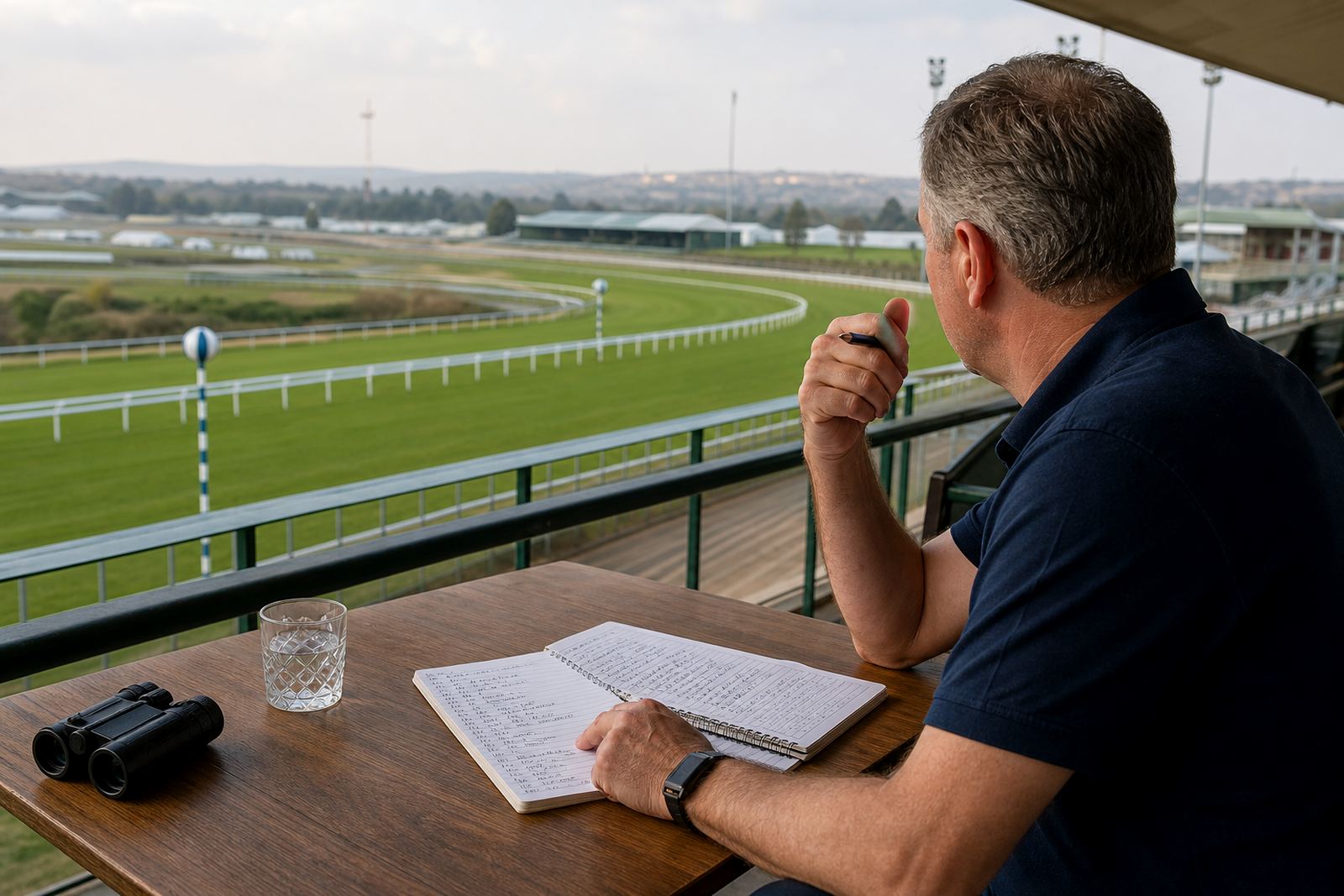
Form lines are the short history of a horse's recent races. A line of numbers might show where it finished, but the bare placing only tells part of the story. A horse that ran 6th in a much stronger race may have shown more merit than one that won a weak contest. Look for comments such as slow away, wide trip, checked, or stayed on. Those notes help explain the result.
Pay attention to class changes as well. Horses racing in feature company at Turffontein or Kenilworth are not always compared on the same terms as a runner coming out of a modest maiden race. A drop in class can help, but it is not a free pass. You still need to ask whether the horse suits the distance and conditions on the day.
- Read the comment beside the placing
- Note whether the horse moved up or down in class
- Watch for repeated slow starts or poor finishes
- Look for horses that finish strongly when the pace is honest
Track Conditions and Why They Matter
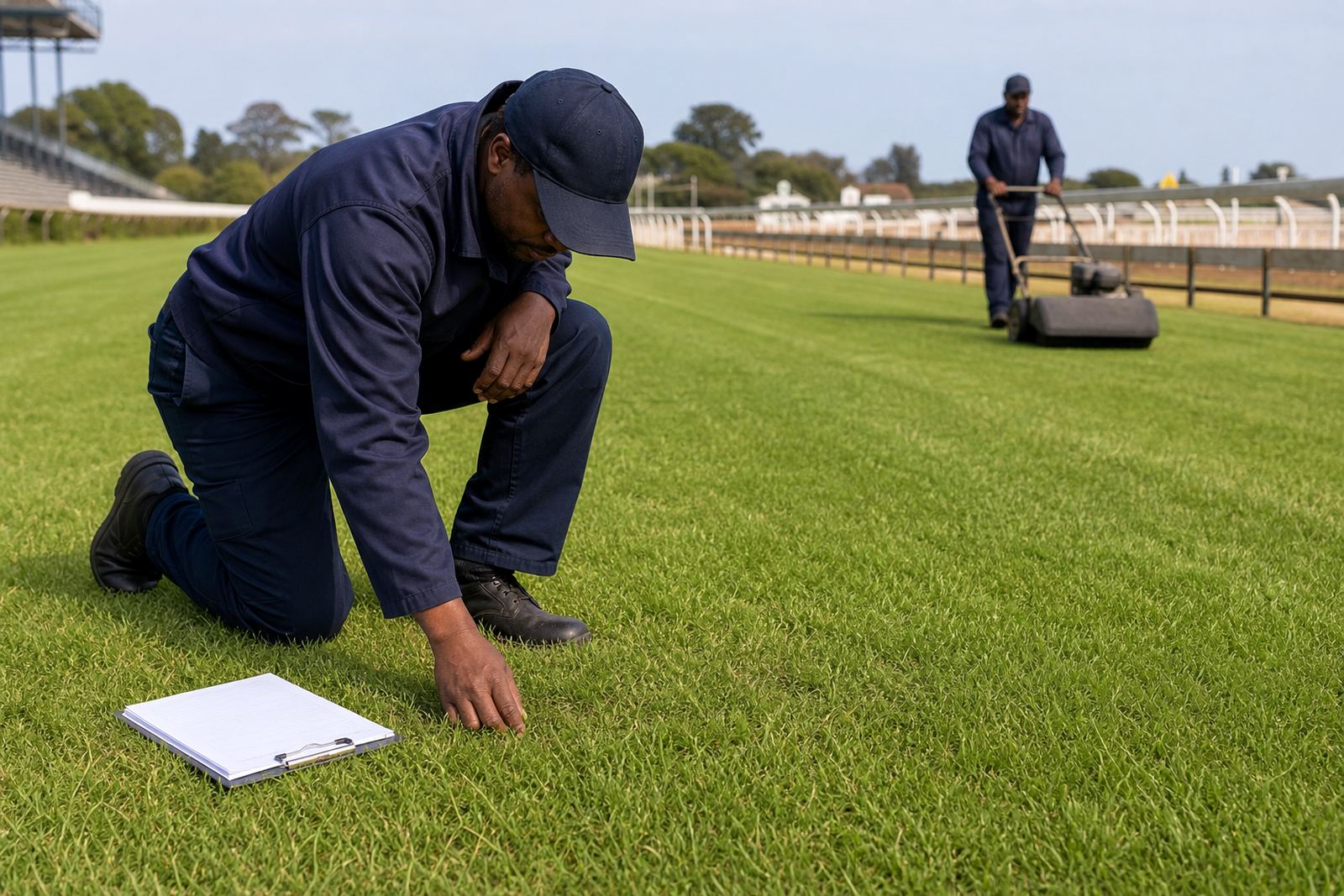
Track conditions can change the whole shape of a meeting. A firm surface at Greyville will suit some runners more than others, while soft or rain-affected going can favour horses with proven staying power. On the Highveld, weather changes can be quick, so the track may ride differently from one meeting to the next. At coastal courses, wind and humidity can also affect how a race is run and how a horse settles.
When reading form, ask whether the horse has handled similar conditions before. Some runners improve with cut in the ground, while others perform best on a quicker track. If the racecourse reports a change in going or there has been heavy rain, that is not just a note on the side, it can alter the value of the form. This is where local knowledge helps a lot.
- Check whether the horse has won or placed on similar going
- See if the distance suits a stronger or softer pace
- Watch for track biases on the day
- Recheck the going close to race time
Pace, Barrier and Race Shape
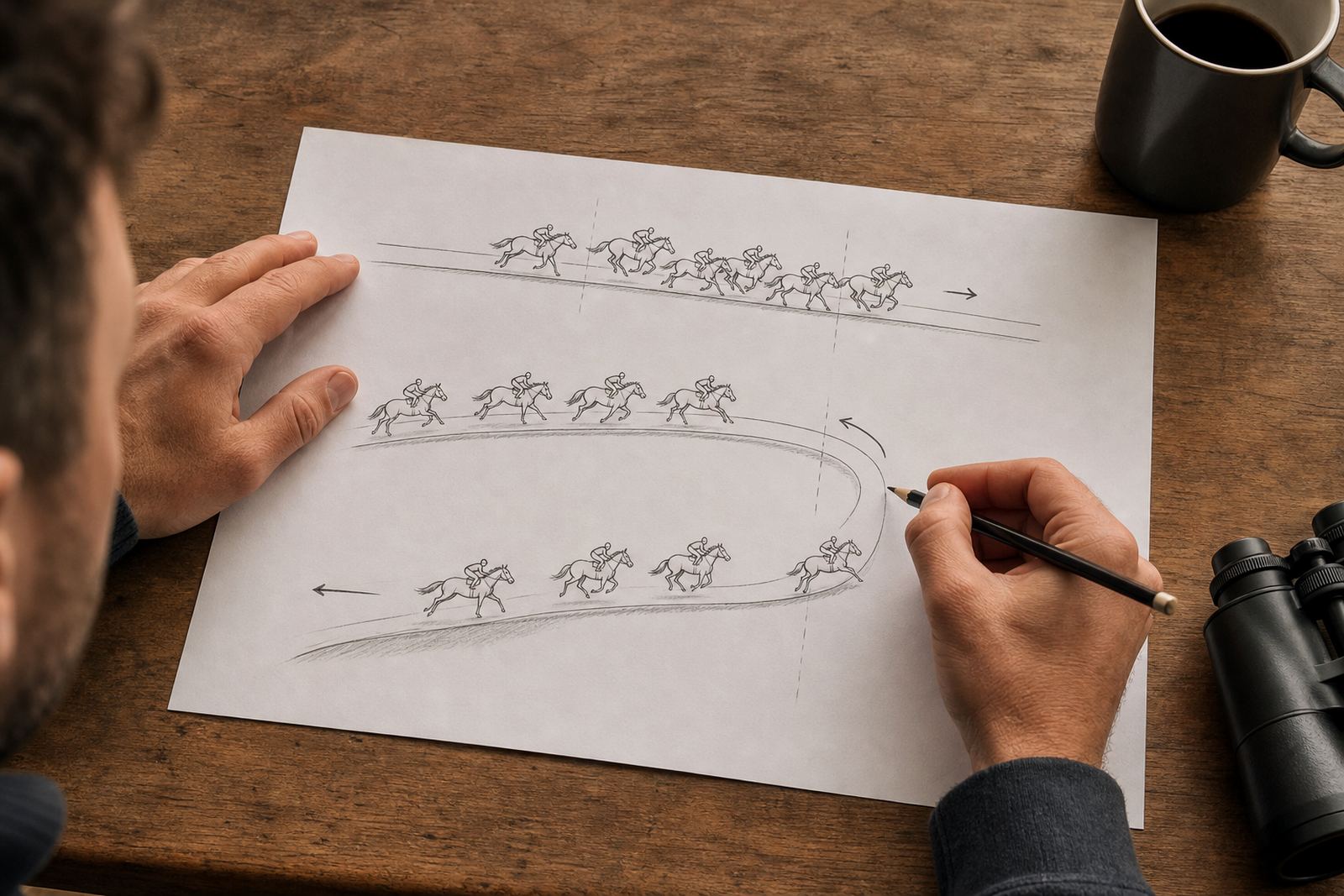
A race is not only about ability, it is also about how the race may unfold. Some horses are quick out of the gates and like to lead. Others settle off the pace and need cover before making their run. A wide draw at Scottsville or a tight inside gate at Fairview can suit different running styles depending on the distance and the field size.
Try to picture the race before the start. If there are many front-runners, the early pace may be strong and closers can benefit. If there is little speed, a horse near the front might get away with a soft time in front. This sort of reading does not give certainty, but it helps you understand why a horse may be better suited to one race than another.
- Identify likely leaders
- Note horses that usually settle midfield or rearward
- Consider whether the draw helps or hinders the running style
- Think about whether the race may be run fast or slowly
A Simple Checklist Before You Bet
Before placing any bet, go through a short checklist so you do not get carried away. Use form to support your view, not replace your judgement. A horse can look strong on paper but still need the right trip, track or pace to show its best. Our novice punter support is built around this kind of practical thinking, because it keeps the focus on informed decisions.
- Do I understand the horse’s recent form?
- Has it shown ability at this distance?
- Does the surface and track condition suit?
- Is the pace likely to help or hinder?
- Am I comfortable with the race class?
- Have I set a fixed budget for the day?
If you are betting, keep it within your means and only wager what you can afford to lose. Never chase losses and take a break if the day stops being enjoyable.
Race Day Etiquette and Hospitality Basics
Whether you are at Turffontein, Greyville, Kenilworth, Scottsville or Fairview, good race-day manners make the day better for everyone. Arrive in good time, keep walkways clear and listen for steward or venue instructions. If you are in a hospitality area, be mindful of seating, dress requirements and any booking details. A bit of courtesy goes a long way at the track.
For first-time visitors, it helps to keep things simple. Carry your booking details, know where you need to be for the first race and allow time for food, viewing and moving between areas. If you are unsure about reading the card or understanding a race preview, ask before the off rather than rushing at the last moment. That way you can enjoy the meeting with less stress, and with a much clearer view of what is happening.
- Arrive early and find your viewing spot
- Keep your ticket or booking details handy
- Be respectful in queues and seating areas
- Ask venue staff if you need directions or access help