
Start With A Calm First Look
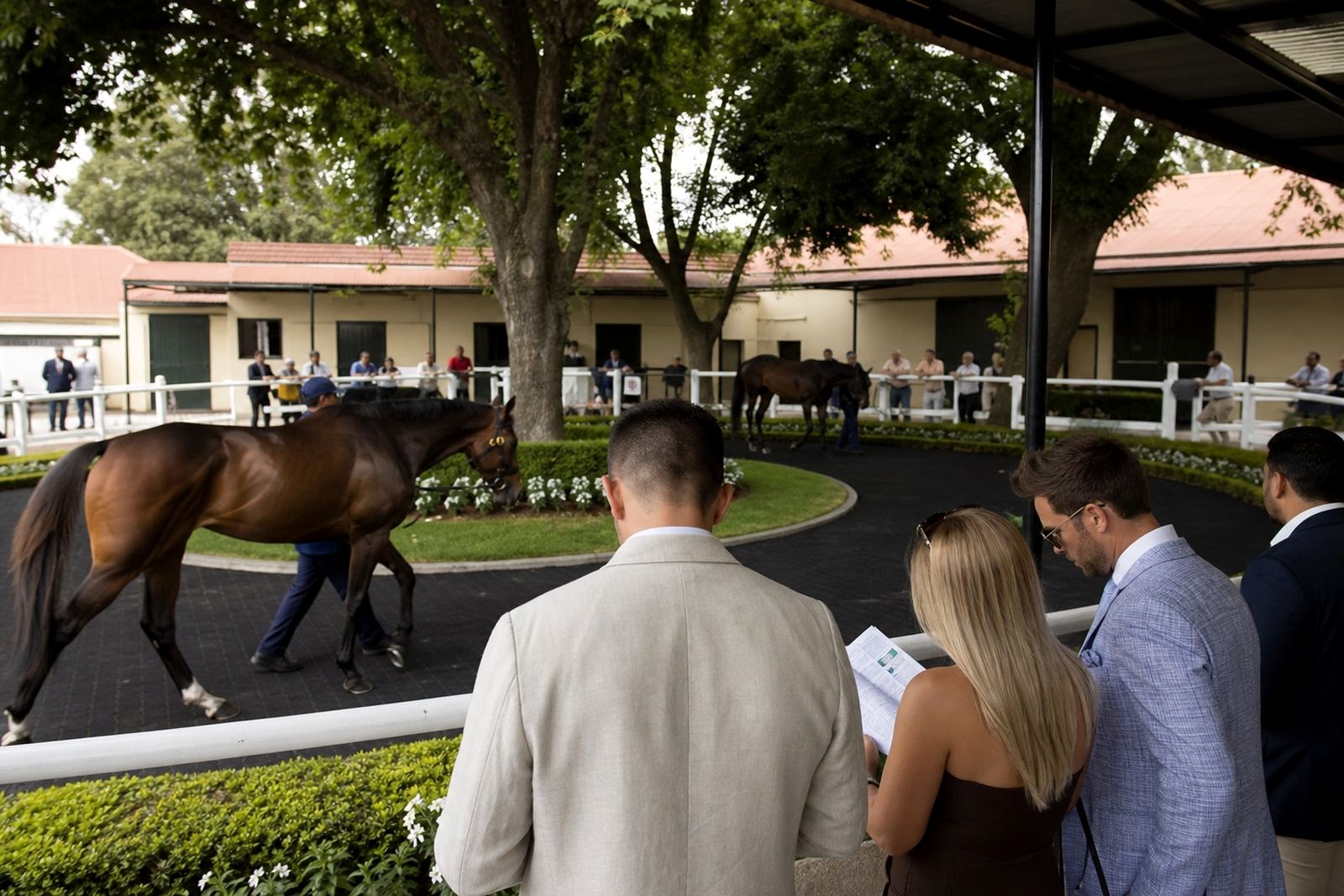
Before a race, the parade ring gives you a few minutes to observe each horse without rush. Stand back far enough to keep the walkway clear, watch quietly, and let the horse tell its story through body language, coat condition, and behaviour around the handler. At tracks such as Turffontein, Greyville, Kenilworth, Scottsville and Fairview, the same simple basics still apply even when the atmosphere is busy.
Do not expect one sign to settle everything. A horse may look bright and alert, but still need a strong pace or a suitable trip to be at its best. Use the parade ring as one part of your form reading, not the whole picture.
What To Check On The Horse Itself
Look at the horse from head to tail, then compare it with the rest of the field. A horse that is settled, alert and moving evenly often suggests a professional preparation, while a horse that is sweating heavily, tossing its head or walking awkwardly may need closer thought. That said, some horses are naturally lively and still race well, so avoid jumping to conclusions.
- Coat condition: A healthy coat usually looks clean, well kept and not dull.
- Muscle tone: Look for a horse that carries itself evenly through the shoulders, back and hindquarters.
- Weight: A horse that looks too light or too heavy may not be at peak fitness, depending on the horse's normal build.
- Movement: Watch for a smooth walk, not stiffness or short steps.
- Behaviour: A horse that is focused but not frantic often gives a good impression.
If the horse appears anxious, the question is not only whether it will race well, but whether it can settle enough to use its ability. That is where patience matters. Keep in mind that a parade ring view should support your reading of the racecard, not replace it.
How To Read The Connections Around The Horse
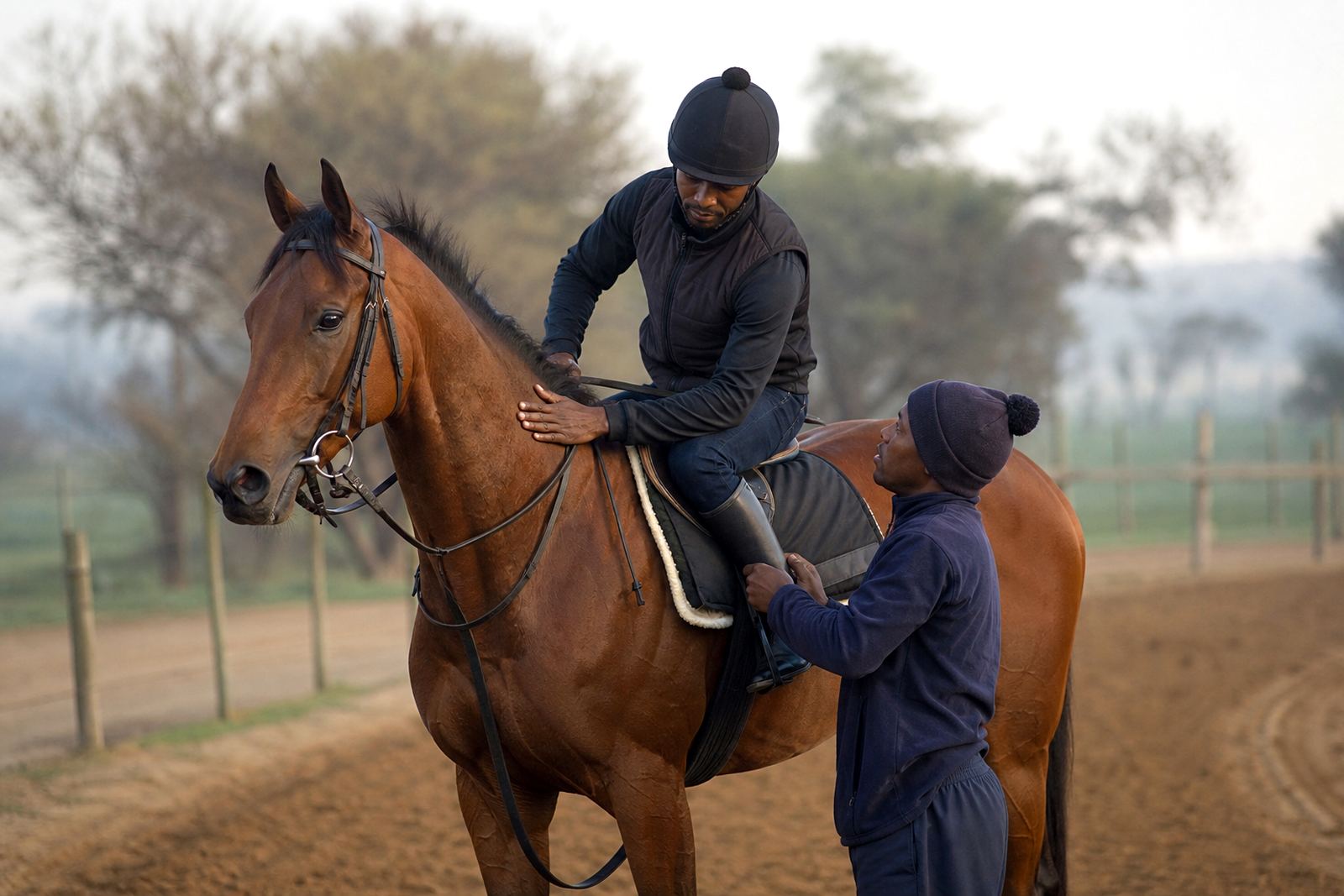
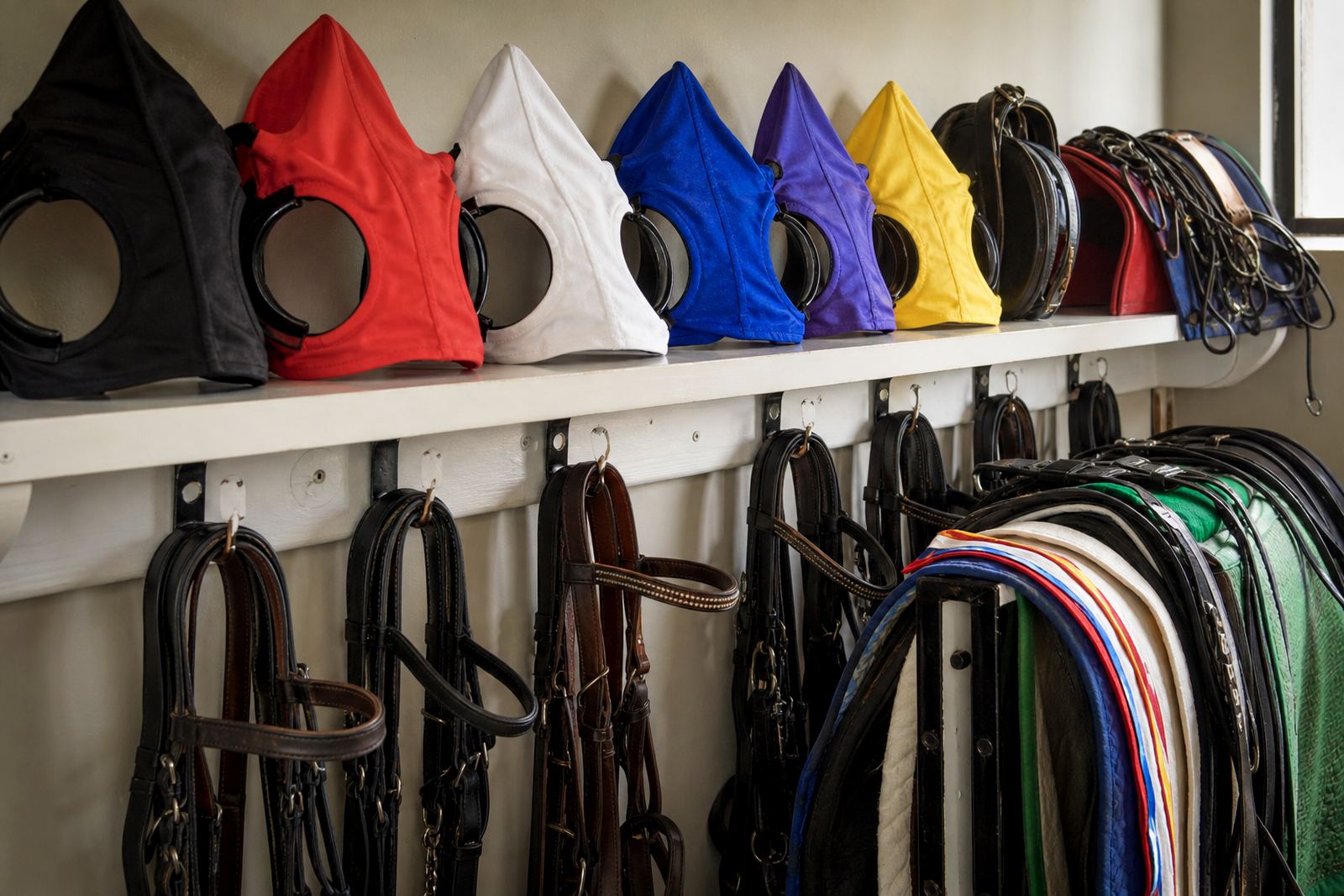
The handler, rider and general routine around the horse can also give useful clues. A calm horse that is led with confidence and little fuss may be easier to trust than one that is repeatedly handled or unsettled. Look for simple signs of order: tidy tack, correct gear, and a rider who seems relaxed yet alert. Small details matter, especially in lower grade races where fitness and temperament can make a bigger difference.
It is worth noting how the horse stands while waiting. Some settle quickly and conserve energy, while others waste energy by circling, sweating or becoming restless. If you are using race tips or a shortlist, match what you see in the ring with recent form, track condition notes and pace map notes. That gives a more complete view of the race. For betting, keep it responsible and within your limit. 18+ only, and never chase losses.
- Does the horse stand quietly when asked?
- Does the rider keep the horse balanced and composed?
- Does the horse react badly to noise or movement?
- Does the overall picture match the horse's recent form?
Respectful Race-Day Etiquette In The Ring
Good etiquette keeps the parade ring safe and pleasant for everyone. Give horses and handlers space, avoid sudden movements, and never block the route with phones, bags or children. At larger meetings in Johannesburg and beyond, the ring can become crowded, so a bit of patience goes a long way. Speak quietly and do not point, lean over barriers or try to touch a horse unless staff invite you to do so.
Dress neatly if you are attending hospitality, and follow venue rules on access areas, photography and movement between spaces. On hot Gauteng afternoons or humid coastal days, horses may look warmer than usual, so do not overread sweat alone. The important thing is the full picture, not one isolated sign.
A Practical Parade Ring Checklist Before You Bet
If you are comparing runners before a race, use a simple checklist so emotions do not take over. A horse that looks composed, comfortable and well prepared may deserve more respect, but you still need the race shape, distance and conditions to line up. This is especially important for adults 18+ who are betting for entertainment, not income.
- Does the horse look fit for today, not just fresh?
- Is it calm, focused and moving freely?
- Does the coat and condition suggest solid preparation?
- Does the horse handle the crowd and noise without stress?
- Do the race distance, going and pace suit its recent runs?
Use the parade ring to confirm or question what you already saw in the form guide. If the picture is mixed, it is fine to pass the race. A disciplined no-bet can be the smartest call.
When The Parade Ring Changes Your Mind
Sometimes a horse that looked appealing on paper is not the right horse once you see it in the flesh. Other times a runner that seemed ordinary may look sharper than expected and deserve a second look. That does not mean you should bet bigger than planned. It means you have more information, and information should support discipline.
For novice punters, this is often where learning happens. Over time you begin to notice patterns in how certain horses carry themselves before the off, and how that links to their run style. If you need help putting those clues together, our form reading support, racecard shortlist and meeting recap notes are built for practical race-day use. Always bet responsibly, set a firm limit and only wager what you can afford to lose.
Using The Guide With Race-Day Hospitality
If you are attending a race day with hospitality, the parade ring becomes part of the full outing, not just a pre-race stop. Watch the runners, compare notes with your guests, then move back to your table or viewing area before the race starts. This keeps the space clear and makes the day more enjoyable for everyone. At venues across South African racecourses, good timing matters as much as good observation.
Our race-day hospitality packages are designed for adults who want a relaxed, well organised track experience with thoughtful service and clear racing information. Whether you are in Rosebank, Sandton, Midrand, Randburg, Bedfordview, Pretoria, Centurion or Kempton Park, you can reach us through the enquiry form on our contact page for details on tips, previews and hospitality support.