
What gear notes usually tell you
In horse racing, a gear note is the quick line that tells you what a horse is wearing or trying on race day. It may look small on paper, but it can point to a change in temperament, focus, breathing, or the way the horse settles early in the run.
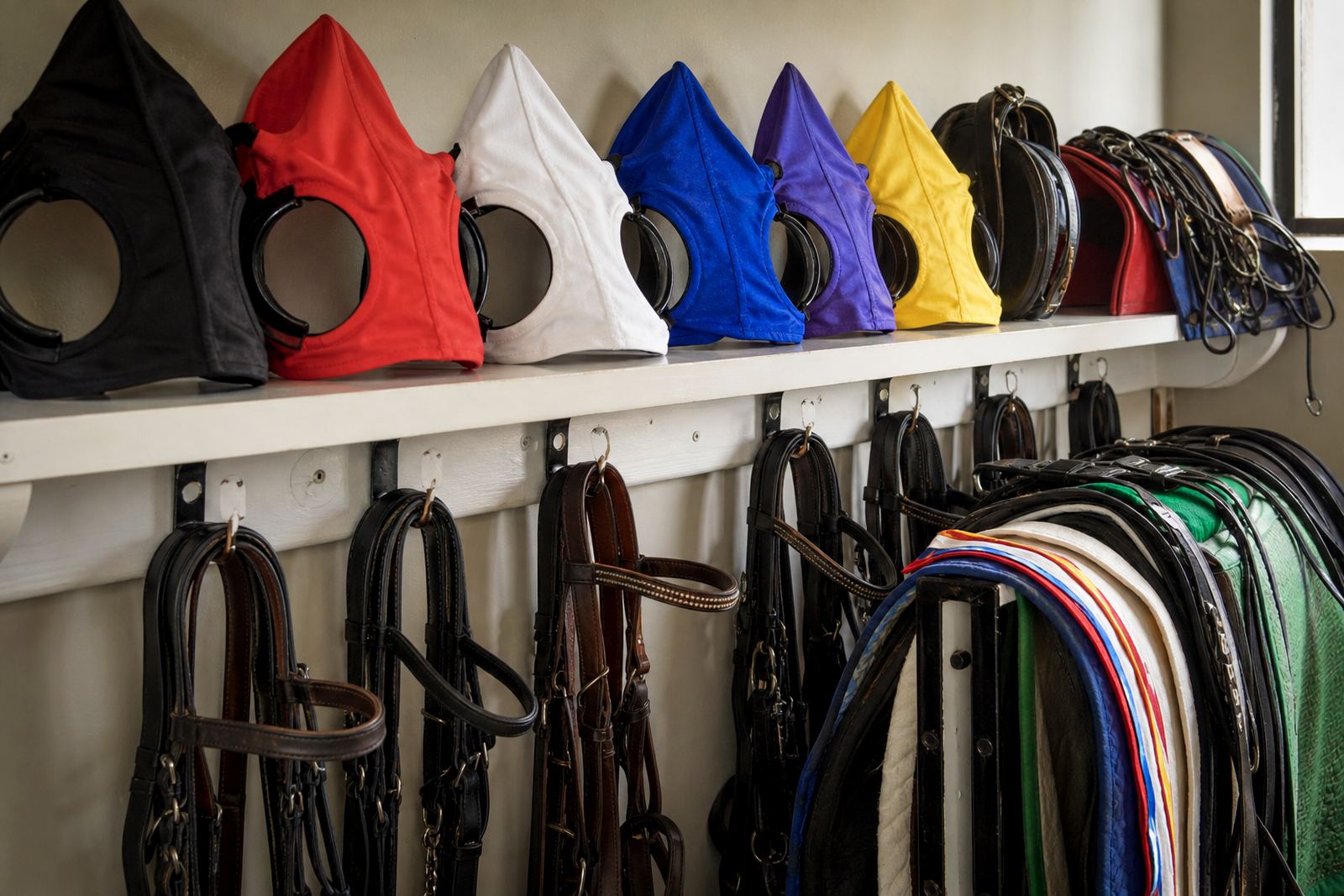
Common gear changes include blinkers, a visor, cheekpieces, a tongue-tie, ear covers, or a switch in shoeing. None of these guarantees a better run. They are clues, not answers, and they should be read alongside recent form, draw, distance, going and the pace of the race.
At Racing House, we use gear notes as part of a wider race reading approach. That means checking whether the change looks practical, whether it suits the horse’s running style, and whether the same setup has been tried before on similar going at Turffontein, Greyville, Kenilworth, Scottsville or Fairview.
Read the gear change in context, not in isolation
A horse might wear first-time blinkers because it was hanging, wandering or not concentrating when asked to quicken. Another runner may get a tongue-tie if it is making noise in the mouth or not breathing comfortably in the finish. The key is to ask why the change is there, not just what the change is.
Check the last two to four runs and look for clues in the comments. If a horse weakened late, broke slowly, or raced green, the gear change may be aimed at one of those issues. If the horse has been consistent and the stable still changes something, it may signal a small tactical adjustment rather than a big reset.
Use this quick check before you form an opinion:
- Was the horse running too freely or too lazily?
- Did the comments mention hanging, pulling or lack of focus?
- Has the horse tried this gear before, and what happened?
- Is today’s distance, track and going likely to help?
- Does the rider style suit the new gear choice?
Blinkers, visors and cheekpieces: focus tools with different effects
Blinkers narrow a horse’s field of vision and can help a runner stay straight and concentrate. A visor does a similar job but is a little less severe, while cheekpieces are often used to help a horse focus without making the effect too strong. These are not magic fixes. A horse that is keen and wasteful may settle better, but a horse that already relaxes well may not need that extra pressure.
When you see a first-time headgear note, look at the horse’s running pattern. If it tends to jump well and travel strongly, added focus gear may be a sign the yard wants more straight-line effort. If the horse fades after early speed, the gear may simply be there to help it keep its mind on the task. In a race where pace is likely to be honest, that can matter more than it does in a slowly run event.
Checklist for headgear changes:
- First time or repeat use?
- Was the horse drifting, ducking or switching off?
- Does the race look likely to be run at a strong or steady gallop?
- Has the horse shown a better finish with the same gear before?
Tongue-ties, ear covers and other practical adjustments
Some gear is aimed at comfort and breathing rather than focus. A tongue-tie is used to help stop the tongue from slipping back and affecting airflow. Ear covers or plugs may be used to settle a nervous horse before the start. Shoeing changes, especially on different track surfaces, can also point to a practical approach rather than a dramatic one.
These notes matter most when they are paired with other signs. A horse that travelled well but stopped quickly, or one that coughed after the run, may be given a breathing-related adjustment. On the other hand, if the horse is a known slow starter and the yard adds ear covers, the aim may simply be to help it stay calm in the gates.
Do not overread a small change. Some horses respond well to tiny adjustments, while others ignore them completely. The best angle is to ask whether the gear fits the horse’s history, not whether it sounds impressive on paper.
How to read a race card when equipment changes are listed
A race card works best when you read it in layers. Start with the horse’s recent runs, then check the gear note, and only after that move to draw, trip and track condition. This keeps you from giving too much weight to a single detail.
A simple race-card routine can help:
- Look at the horse’s last run comments first.
- Check whether today’s gear is new, removed or repeated.
- Match the gear to the horse’s style of racing.
- See if the going or course configuration suits the runner.
- Read the pace of the race and whether the horse can sit handy or needs cover.
If a horse is stepping up in trip and also wearing new gear, be careful not to credit the gear for what the distance may actually be doing. Sometimes the distance change is the main factor and the gear is just part of the setup.
Race-day etiquette and what to watch at the track
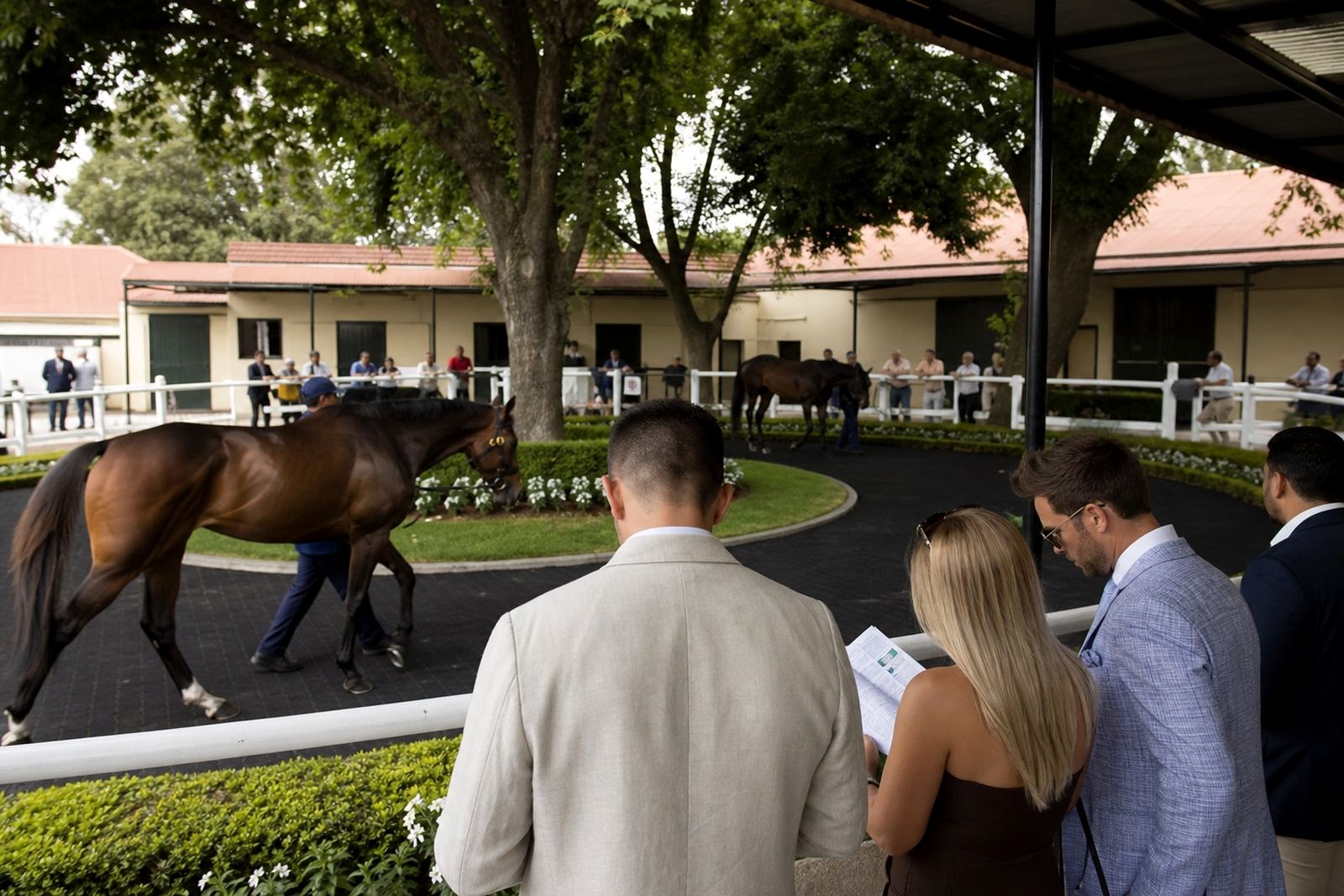
When you are on course, good race-day etiquette helps everyone enjoy the day properly. Keep out of restricted areas, follow steward and security instructions, and give horses, staff and other patrons space around the parade ring and betting areas. If you are attending hospitality, arrive on time so you can settle in before the first race and avoid crowding the service points.
In the parade ring, take a steady look at each horse before rushing to conclusions. A horse can look fresh, sweaty or a bit on edge and still run well. Do not assume every sweat mark or prance means trouble. Look for patterns: a horse that is unusually agitated and wearing new headgear may need more caution, while a quiet, relaxed runner in familiar gear may be more straightforward.
Responsible punters keep things practical. If betting is part of the day, set a limit before you start and stick to it. Betting should stay for adults 18+ and never be treated as a way to recover losses.
Using gear notes with our form guide and race-day services
Gear notes work best when they are part of a bigger reading process. That is why Racing House includes gear discussion in our Daily Tip Notes, Feature Meeting Tips, Weekend Preview Service, Midweek Briefing and Novice Punters Help. We also use Track Condition Notes, Pace Map Notes and Racecard Shortlist work to show how a gear change may fit the rest of the race shape.
If you want the clearest picture, ask these final questions before race time:
- Has the horse had enough runs to show what it wants?
- Is the gear change likely to help focus, breathing or settling?
- Does the jockey need the horse to break cleanly or finish strongly?
- Are there track, draw or going issues that matter more than the gear note?
From Rosebank, Johannesburg, we support clients across Sandton, Midrand, Randburg, Bedfordview, Pretoria, Centurion and Kempton Park, with race-day hospitality and preview support for South African racecourses including Turffontein, Greyville, Kenilworth, Scottsville and Fairview. If you want help reading a racecard or understanding a gear change, use the enquiry form on our contact page and we will guide you from there.