
Start With The Race Shape, Not The Finish Only
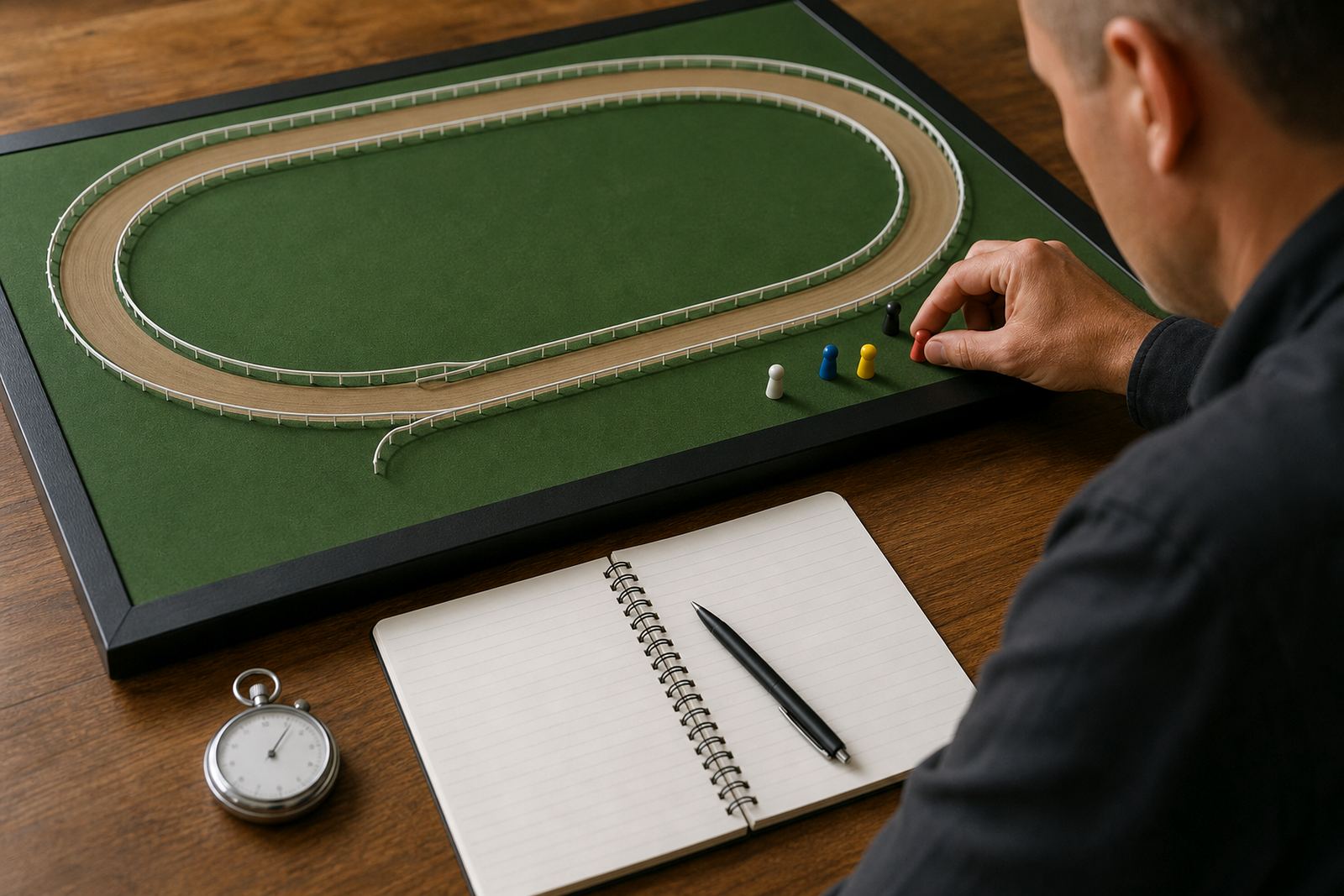
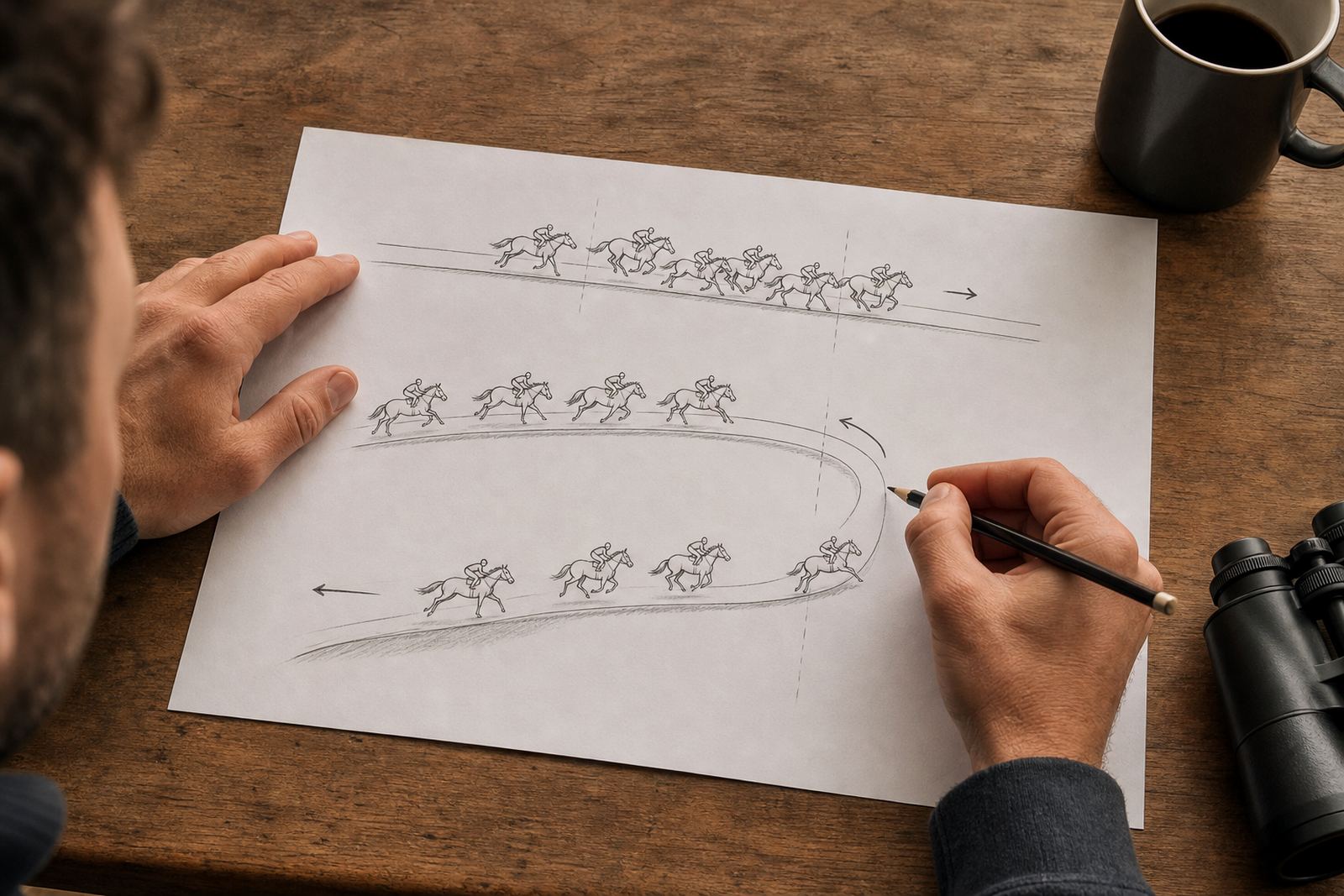
When you study a race, begin by asking how it was likely to unfold from the barrier draw, distance and field size. A 1200m sprint at Turffontein often asks different questions to a 2000m race at Greyville, while a tight track like Kenilworth can reward position earlier than a staying contest with a slower early pace. Sectional thinking means breaking the run into stages such as the start, early tempo, middle section and finish.
For new punters, this makes the replay easier to read. A horse that finishes well may still have been poorly placed early, checked at the bend or forced wide. Another runner may look beaten on the tape but have done useful work in a stronger section of the race. That is why the full picture matters more than the last furlong alone.
- Check the distance and track first.
- Note whether the field was big or small.
- Ask where the likely pace came from.
- Look for runners who changed position at key stages.
Read Early Speed And Map The First 400 To 600 Metres
The opening section tells you a lot about intent and race shape. In South African racing, some horses break sharply and want to hold a forward position, while others need a few strides before settling. On replays, watch the first 400 to 600 metres and note which runners begin cleanly, which are slow away, and which are used up to get a position.
Pace map notes are useful here because they help you separate natural front-runners from horses that are only prominent when the pace is moderate. If a runner is repeatedly sent forward from a wide draw, it may spend too much energy early and weaken late. At Greyville and Fairview, where turning early can matter, that first section can shape the rest of the race.
- Was the horse alert from the gates?
- Did the jockey have to hustle for position?
- Did the runner settle or pull against restraint?
- Was there cover, or did the horse race wide?
Separate Mid-Race Pressure From Actual Stamina
The middle section often reveals whether a horse is travelling comfortably or already under pressure. A runner that stays on the bridle through the bend may still be full of running, while one that begins to shorten stride before the straight could be facing a fitness issue, a tricky track pattern or a stronger pace than expected. Sectional thinking helps you judge whether the horse ran out of condition or simply ran into the wrong race shape.
Track condition notes matter as well. A wet surface at Scottsville can affect footing and rhythm, while coastal humidity at Durban or Cape Town may influence how runners recover after a fast early section. In Gauteng, a strong pace at altitude can expose horses that look comfortable in the first half but empty later. Use the middle stage to ask one clear question: did the horse lose ground because of pressure, or because the race was not run to suit?
Use The Final 300 Metres To Test Your View
The last 300 metres should confirm, not replace, what you already saw. A horse that quickens when asked may have more finishing power than the bare result shows. Another horse may drift, change legs or hang under pressure, which can point to greenness, discomfort or a setup that did not suit. Always compare the final effort with what happened earlier in the race.
When reviewing finishes, keep an eye on how each runner responds to riding. Some need a firm reminder, others want a hands-and-heels ride, and some have enough residual energy to keep lengthening. If you are building a shortlist, look for horses that were still making ground late after doing useful work earlier. That combination can be more reliable than a flashy closing burst from a horse that enjoyed a soft run.
- Did the horse quicken or only keep one pace?
- Was the rider asking for effort or merely maintaining rhythm?
- Did the runner finish under a hold?
- Was there any late interference or shifting ground?
Blend Form Guide Clues With Replay Evidence
Form reading works best when the paper view and the replay view support each other. Start with recent finishing positions, then check whether those runs were earned in the open or shaped by the race flow. A racecard shortlist is strongest when the form guide, track condition notes and sectional view all point in the same direction.
For adult punters 18+, that means betting should stay measured and responsible. Set a limit before you play, keep stakes sensible, and never chase a bad run. Betting should be for entertainment, not a way to try and recover losses. If a race is unclear after review, leave it out and wait for a cleaner opportunity.
- Does the recent form line up with the replay?
- Did the horse run against the pace or with it?
- Has the class level changed materially?
- Will the track and distance suit this time?
Race-Day Etiquette For Hospitality Guests
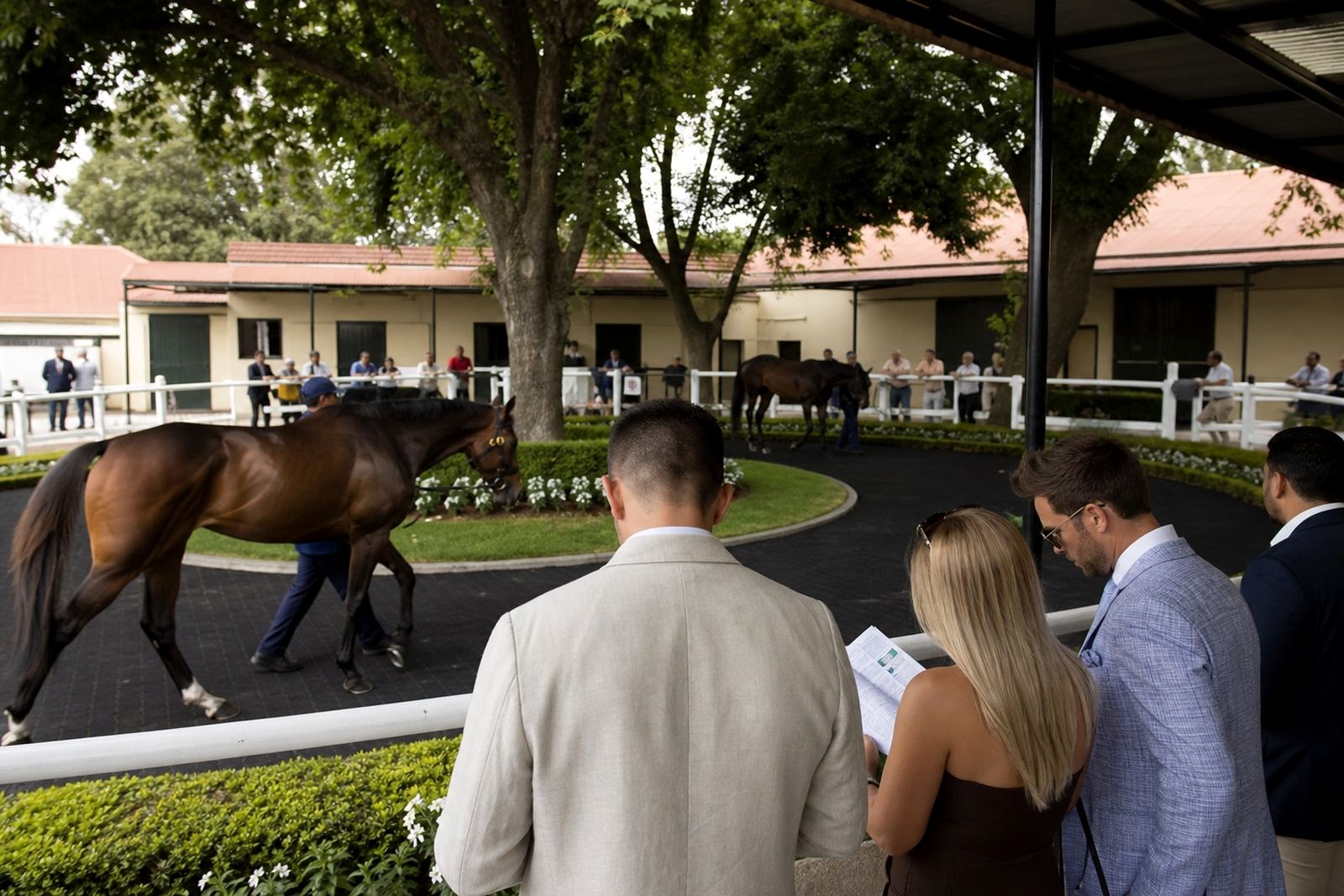
Good race-day etiquette makes the outing better for everyone, whether you are at Turffontein, Greyville, Kenilworth, Scottsville or Fairview. Arrive early, keep to the dress guidance for the venue, and respect staff, security and other guests. If you are joining a hospitality package, be ready for meal times, parade ring visits and any gate times set by the racecourse.
Keep your voice down near viewing areas, avoid blocking walkways, and follow municipal and venue rules on parking, smoking and alcohol. In Johannesburg, Sandton, Rosebank and nearby areas, guests often travel together, so it helps to confirm the meeting point well in advance. If load-shedding or weather affects travel, allow extra time and check your route before leaving.
- Bring valid ID if requested by the venue.
- Arrive before the first race if you want time to settle in.
- Keep tickets and package details handy.
- Respect parade ring and hospitality access rules.
A Simple Checklist Before You Place A Bet
Use a final checklist before you commit to any wager. The aim is not to force a bet into every race, but to separate solid reads from guesses. Form guides, pace maps and replay notes should help you narrow the field, especially in feature meetings and busy weekend cards where several races can look similar at first glance.
At Racing House, we use sectional thinking in Daily Tip Notes, Weekend Preview Service, Midweek Briefing and racecourse preview calls to help clients understand the race rather than just the result. If you are unsure, ask for Novice Punters Help or Form Reading Support and keep your betting within your own limits.
- Do I understand the likely pace?
- Has the horse run well at this trip before?
- Is the draw suitable for the track?
- Will the going or weather help or hinder?
- Am I betting with a clear plan, not on impulse?