
Why pace matters before you study the runners
In horse racing, speed is not only about who is the fastest horse on paper. It is also about how quickly the early leaders go, where the midfield sits, and which runners are forced to work harder than they should. A steady pace can help a handy runner or front runner keep control, while a hot pace can suit a horse that settles off the speed and finishes strongly.
At South African tracks, pace reading helps you avoid guessing. Turffontein has long straights that can reward a well timed finish, while tighter tracks can make early position more valuable. At Greyville or Scottsville, where track shape and turning rhythm matter, a horse that is trapped wide early may spend too much energy before the real running starts. This is why speed and pace are part of practical form reading, not just a side note.
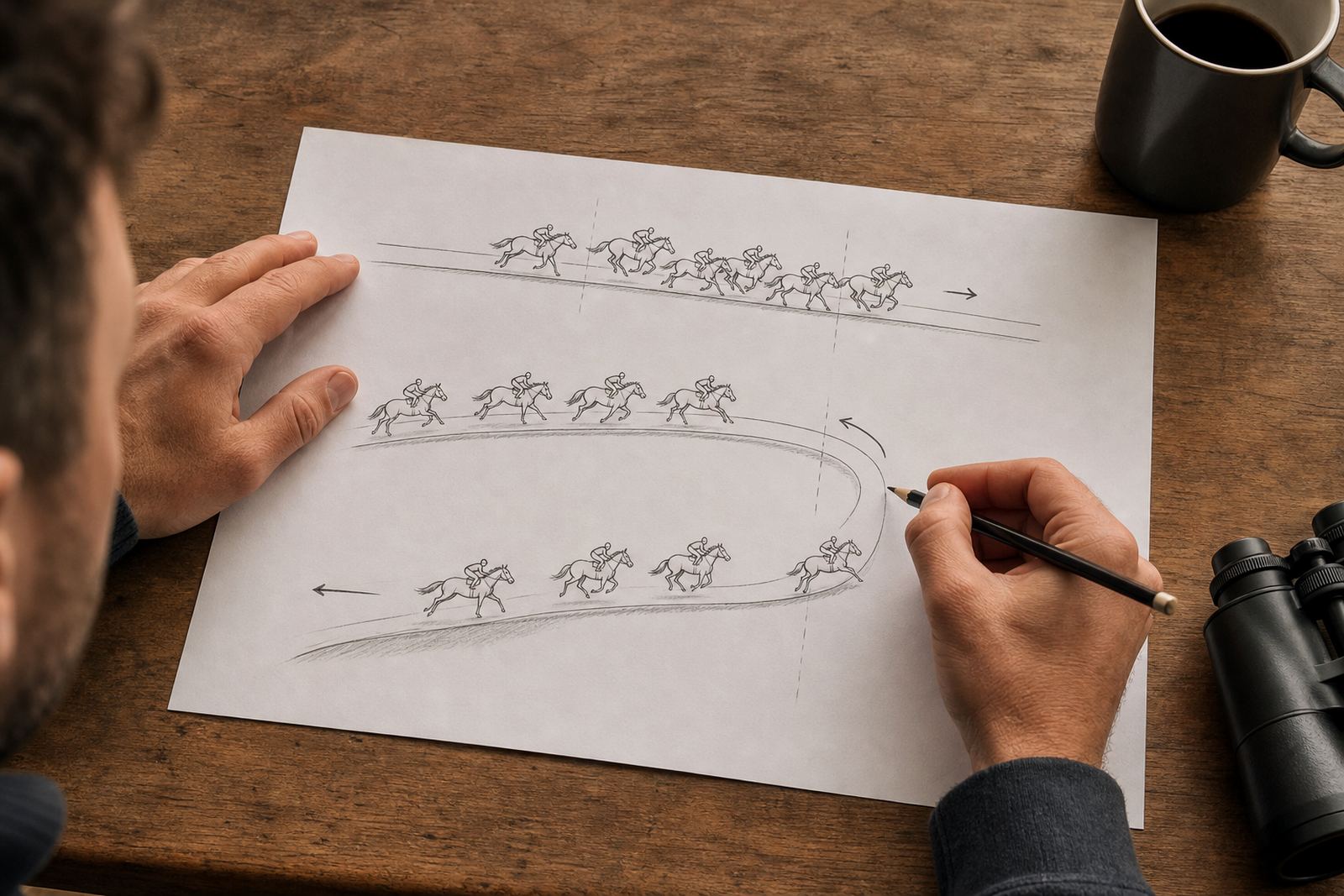
Think of pace as the race plan that forms before the start. Once you can picture who leads, who sits second or third, and who is likely to be held up, the race becomes easier to judge.
How to read a racecard for pace clues
Before race day, use the racecard to work out likely positions. Look at recent runs, barrier draws, preferred running styles and any notes about how a horse settled last time. A horse that shows early speed over 1200 metres may not use that speed the same way over 1600 metres, especially if the rider wants it to relax. Small changes in distance can change the whole tempo picture.
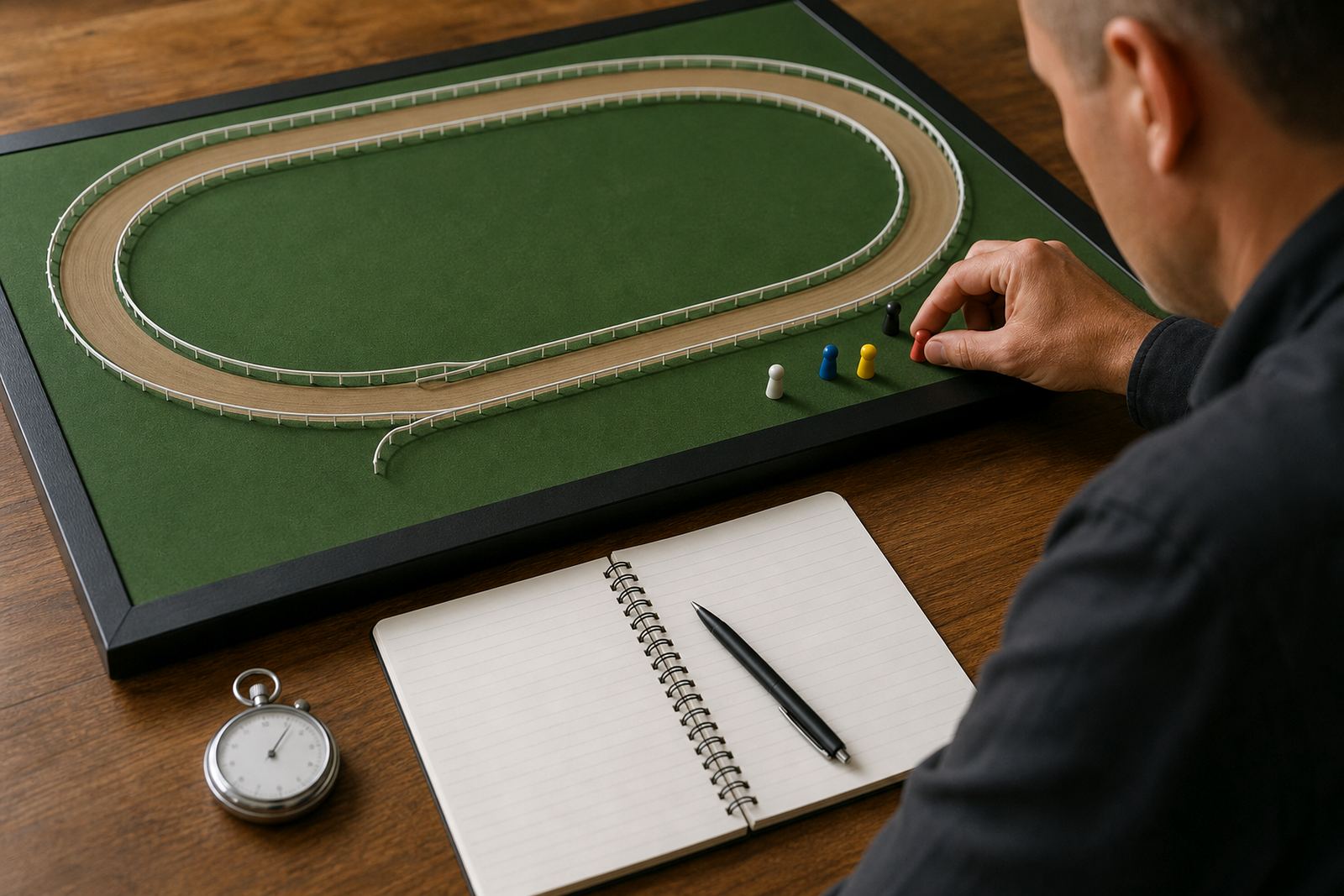
When you compare runners, ask simple questions. Which horses normally go forward? Which ones settle one or two lengths off the lead? Which ones finish best when the pace is strong? This is where pace map notes and racecard shortlist work well together. You are not trying to predict every move, only the most likely shape of the race.
- Check the draw and see whether a horse may need luck from a wide gate.
- Look for recent comments about being slow away, keen, or overracing.
- Note whether the horse is stepping up in trip or dropping back in distance.
- Watch for first time blinkers, tongue ties, or other gear changes that may affect early speed.
If you are a novice punter, do not rush this part. A few minutes spent on pace clues can save a lot of confusion later.
Settling position and why calm early energy counts
Some horses waste their chance by fighting the rider in the first few furlongs. That is called overracing, and it is one of the biggest reasons a horse underperforms its paper form. A well ridden horse that settles in rhythm can finish much better than one that burns energy early. This is especially important in warm weather or when the track is testing after rain.
Settling position is about balance. A horse sitting too far back may need gaps and luck in running. A horse too close to the speed may be vulnerable late. The right spot depends on the tempo, the track and the horse itself. Good pace reading helps you judge whether a runner can get that sweet spot without doing too much work.
On race day, use the parade ring and canter to spot signs. A horse that is sweating heavily, tossing its head, or standing restless may not settle as well. A horse that walks quietly and moves forward with purpose often looks ready for the task, though you still need to compare that with its form and conditions.
Match the pace shape to the track and distance
Not every race is run the same way. A sprint over 1000 metres can become a test of quick acceleration and position. A middle distance race may be more tactical, with riders trying to control the tempo. Staying races can produce slower early fractions, then a stronger final effort. The distance, course layout and going all shape the result.
At Kenilworth and Fairview, the turns and the race flow can make track position important, while at Greyville and Scottsville the rhythm of the race can change quickly if a few riders decide to go forward. On softer ground, some jockeys wait longer because the surface can take more out of a horse. On firmer ground, pace can build faster and front runners may become harder to reel in.
- Shorter races often favour natural pace and early track position.
- Mid range races can reward horses that relax and attack late.
- Staying races may expose horses that cannot settle or stay on the bridle.
- Heavy or rain affected ground can make strong early fractions costly.
When you factor in course, distance and going together, the pace picture becomes much clearer.
A simple step by step pace checklist
Use this checklist before you finalise your shortlist. It is practical, quick, and works for weekday meetings or feature race cards. You do not need every answer to be perfect, but you should have a reasonable view of how the race may unfold.
- Identify the likely leader or leaders from past runs.
- Mark the horses that usually sit just behind the speed.
- Check which runners come from off the pace and need a strong gallop.
- Review the draw to see who may be forced wide or trapped inside.
- Look at distance changes and whether a horse is stepping into easier or harder tempo.
- Read track condition notes and think about whether the surface may favour speed or patience.
If two runners have similar form, the one with the more suitable pace setup can be the better racing proposition. That does not guarantee a result, but it can improve your reading of the contest. For adults 18+ only, and always bet responsibly. Never chase losses, keep within your budget, and seek help if betting stops being fun.
Race day behaviour and hospitality basics
Good race day etiquette helps everyone enjoy the afternoon. Arrive in time to study the racecard, settle in and watch the horses parading. Give yourself space at the rail, avoid blocking sight lines, and keep noise down when runners are entering the gates or leaving the parade ring. At hospitality venues, be courteous to staff and other guests, and follow the venue rules on seating, dress and movement around the course.
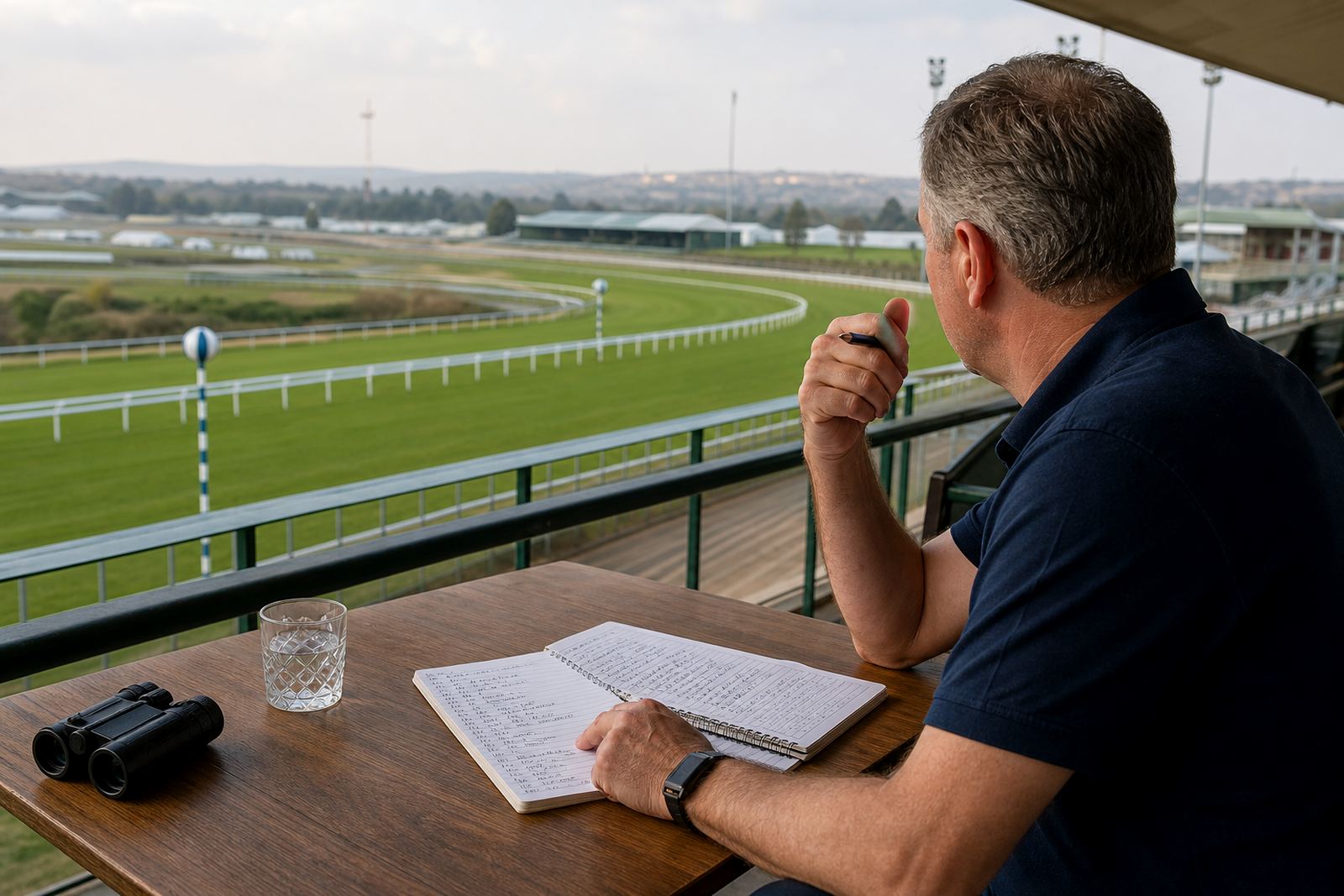
If you are attending a hospitality package at one of the South African racecourses, pace study can make the day more enjoyable. You can compare your form notes with what you see on track, then talk through the race shape before the off. It is a practical way to enjoy the outing whether you are a seasoned punter or still learning the game. At Racing House, our race day hospitality support is built around clear information, comfortable arrangements and a calm approach to the day.
If you need help with pace, speed or race-day planning in Johannesburg and Gauteng, use the form on our contact page. We assist customers from Rosebank, Sandton, Midrand, Randburg, Bedfordview, Pretoria, Centurion and Kempton Park, with race day support centred in Johannesburg, Gauteng.