
Why race-day notes matter more than memory
Most punters remember the winner and forget the details. That is where proper notes help. A race can look simple on paper, but the real clues are often in the run style, the track condition, the way a horse moved in the parade ring, and how the race unfolded from the jump.
At a meeting, especially when there are several races to compare, memory gets messy. If you jot down what you saw, you can compare today’s performance with next time out. That matters whether you are following a horse at Turffontein on a Saturday afternoon or keeping an eye on a midweek card at Greyville, Kenilworth, Scottsville or Fairview.
- Note what you saw, not just the finishing position
- Write down conditions, pace and any clear bias
- Keep the notes short enough to use again later
What to record before the start
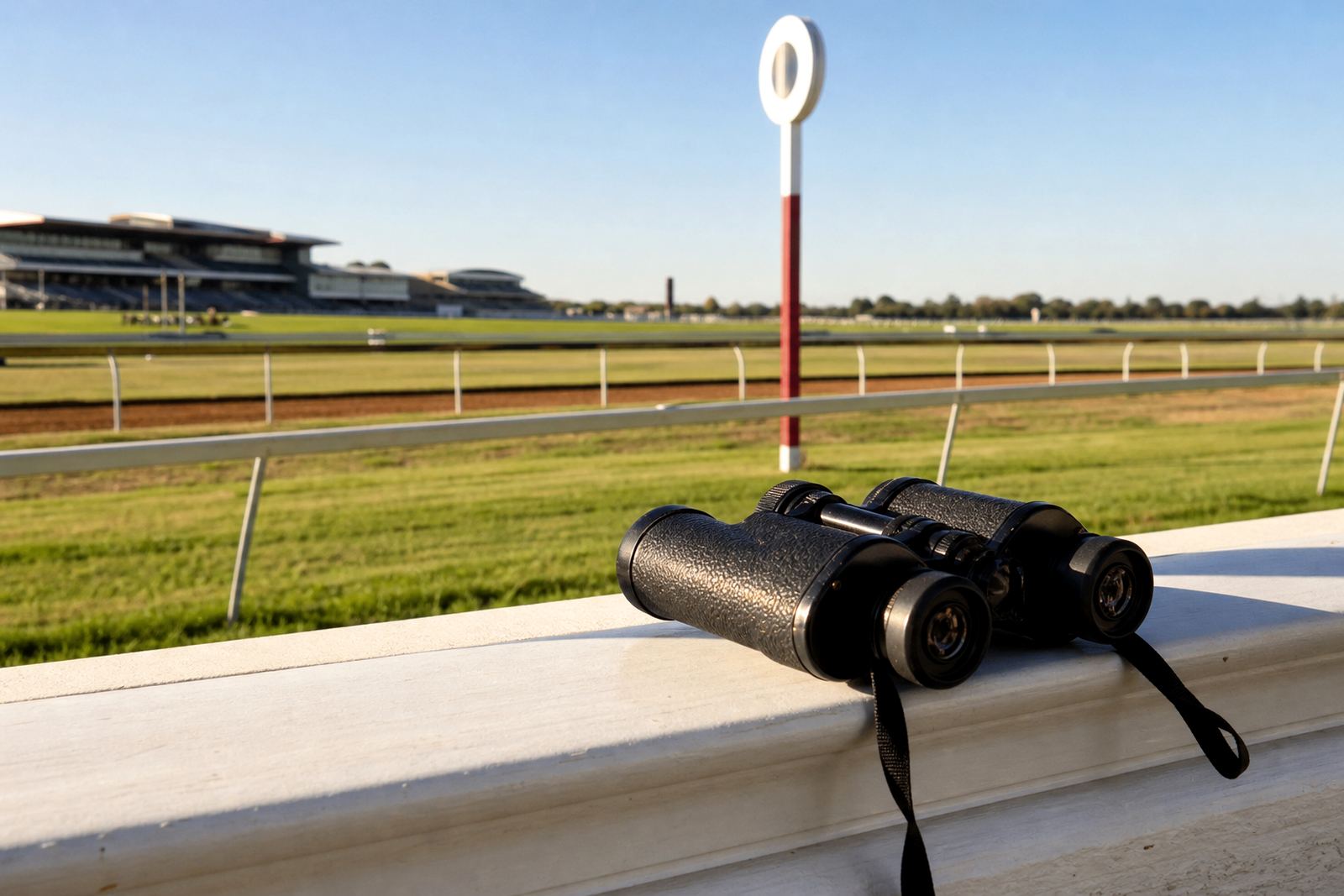
The best notes begin before the gates open. Watch the horses in the parade ring or mounting area and look for simple signs that can help later. Does a horse carry plenty of condition? Is it sweating up badly? Does it look switched on, or is it wasting energy before the race even starts?
Also note the basics of the racecard. Distance, going, draw, class and the field size all shape the race. A horse that looks unlucky in a sprint at Turffontein may be better suited to a stronger pace, while a runner turning for home at Greyville may need a more patient ride if the tempo is slow.
- Track condition and rail position
- Horse behaviour in the parade ring
- Draw, distance, class and field size
- Any changes from the racecard, such as gear or rider
How to track the race as it unfolds
Once the race starts, keep your notes focused on what actually happened. A horse can be beaten and still run well if it was caught wide, held up, or forced to race against the pace. Write down where it settled, whether the rider asked for an effort too early, and if the horse found trouble in running.
Form reading gets much easier when you keep repeating the same questions. Did the leader go too hard? Was the finish better than it looked? Did the winner get the run of the race or have to work for it? Over time, these small details become more valuable than the bare result.
- Early position and settling pattern
- Pace shape, strong, moderate or stop-start
- Wide trips, traffic issues or poor starts
- How the horse finished its race
Spotting track patterns and local bias
One meeting can tell you a lot about a course if you pay attention. Some tracks show a clear bias on certain days, especially when the going changes after rain or when the surface is riding fast. Coastal humidity at places like Greyville or Fairview can also affect how horses look and how strongly they finish, while a firm inland surface at Turffontein may place more value on speed and tactical position.
If you are taking notes seriously, compare races with similar distances and similar field sizes. A runner that performed well from a wide draw on one afternoon may not have enjoyed the same setup at another meeting. Your notes should help you separate a true performance from a handy race shape.
For South African racecourses, this is especially useful when travelling between provinces. A horse that handles the left-handed layout at one track may still need a different ride or pacing plan elsewhere.
Writing a usable note, not a long story
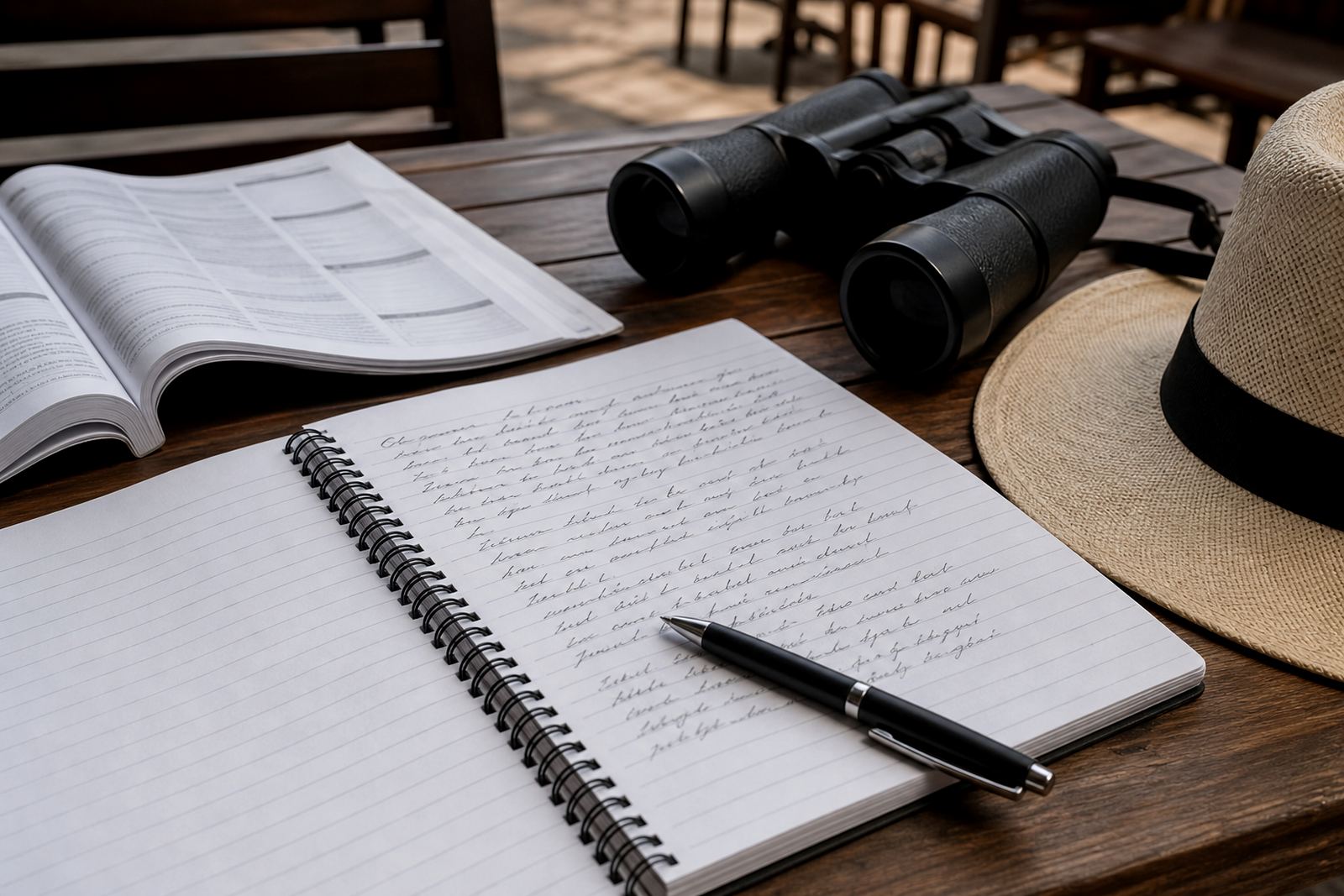
The mistake many punters make is writing too much. Long notes are hard to use later. Keep each note short, plain and specific so that you can read it quickly before the next meeting. You want a record that helps you spot repeat patterns, not a full diary of the afternoon.
A good note usually answers three questions: what happened, why it happened and whether it may matter next time. Use simple wording and keep your own style consistent. If you use the same terms each time, the notes become far more useful when you return to them before the next form study session.
- Keep each note to one or two lines
- Use the same short terms every time
- Mark anything that may affect the next run
- Review the notes while the racecard is still fresh
A Rosebank example from a Saturday at Turffontein
Imagine a group from Rosebank heading through to Turffontein for the day. One horse warms up keenly, then races too freely early and weakens late. Another settles quietly, travels well and finishes strongly after a wide draw. A third is beaten but never gets a clear run when the pace changes near the bend. Those three runs should produce three different notes, even if the finishing positions do not tell the whole story.
Later, when those horses reappear in a racecard, the notes may help you judge whether the market has missed something. Maybe the keen runner needs cover. Maybe the wide finisher wants more room and a stronger gallop. Maybe the troubled runner is better than the bare form suggests. That is the kind of practical detail that turns race-day watching into a proper habit.
If you are using betting as part of your race day, keep it controlled and within a set budget. For adults 18 plus only, and never chase losses. Racing should stay an informed pastime, not pressure.
Using notes with race-day hospitality
Hospitality packages give you a better base for note-taking because you are not rushing between the tote, the rails and the parade ring. You can sit down between races, review what you saw and match it against the form. That is useful at major meetings, where several races can offer clues for the rest of the card.
Racing House works with South African racegoers who want a more organised day out, with form guide support, race-day briefing and practical observations that are easy to carry into the next meeting. Whether you are in Sandton, Midrand, Randburg, Bedfordview, Pretoria, Centurion or Kempton Park, the aim is the same: make each race day more useful than the last.
Good notes do not guarantee a result, but they do improve how you read a race, and that is often the difference between a vague guess and a sensible view.