
Start With the Shape of the Meeting
Following a card means more than picking one horse in one race. A proper look at the full meeting helps you see which races are competitive, which runners are returning from a break, and where the track may favour certain styles of racing. In South African racing, the card can change quickly with non-runners, weather shifts and late track updates so it pays to begin early.
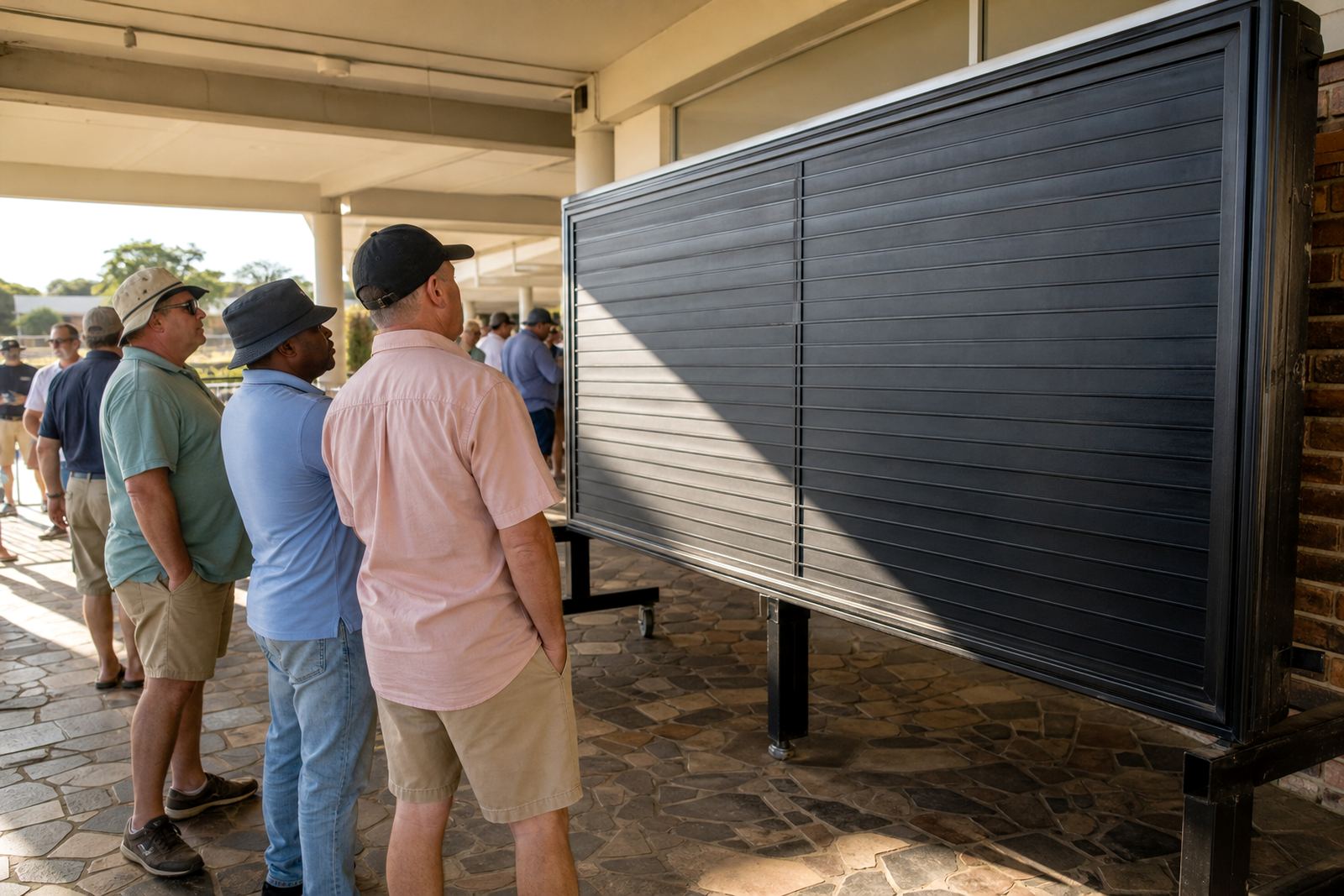
When you open the racecard, work from the top down. Note the course, distance, going and race class. A staying race at Turffontein on a testing surface asks very different questions from a sharp sprint at Kenilworth or Fairview. If you are at the track, check the parade ring and watch how the horses walk. A settled horse often shows up better than one sweating or on its toes.
- Check the race time, course and distance first
- Look for any change in track condition or scratches
- Separate sprint races from staying races in your mind
- Write down one or two runners to watch rather than chasing every race
Reading Form Without Getting Lost in Numbers
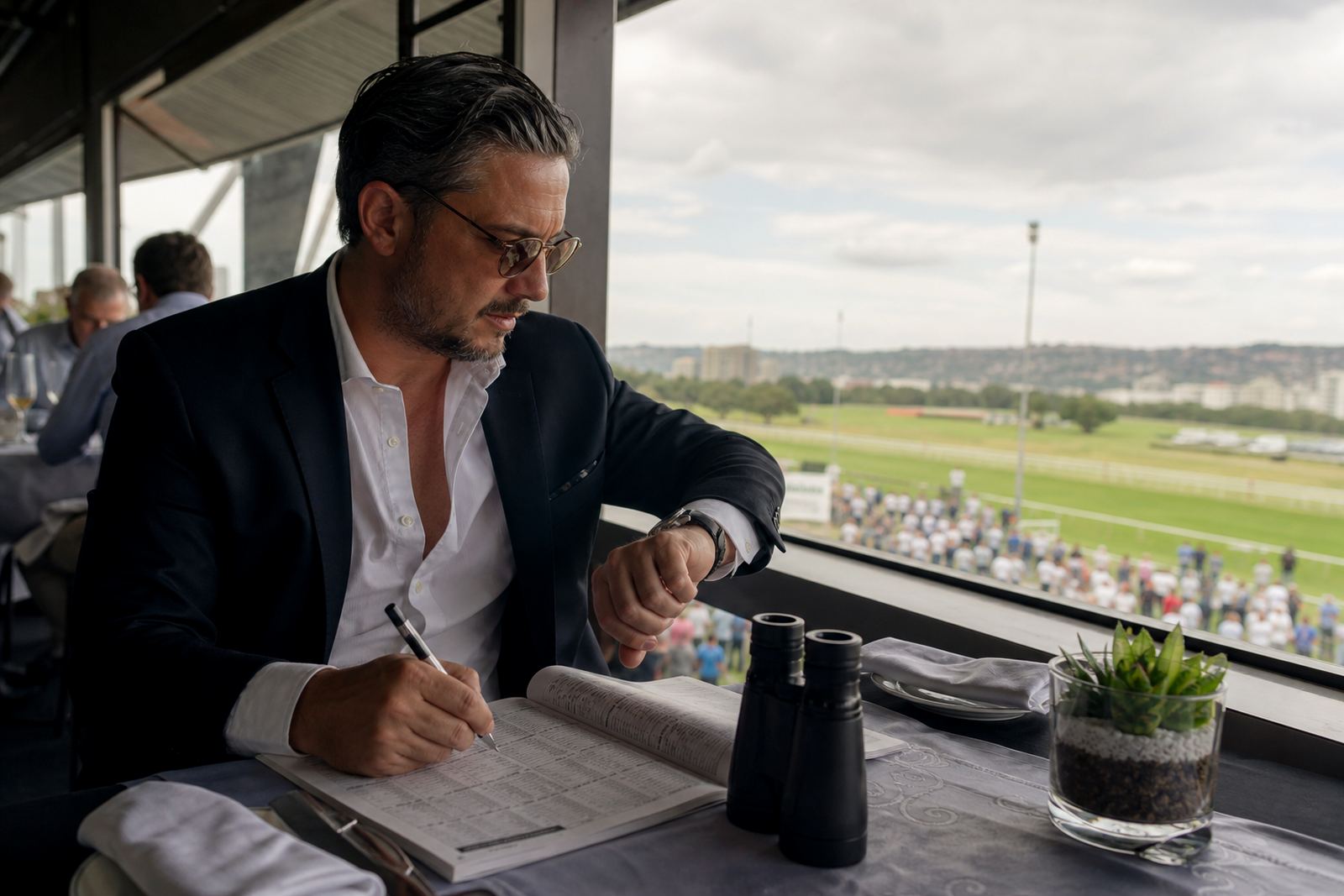
Form reading is about pattern, not guesswork. Start with recent runs, then ask whether the horse improved, stayed level or ran below par. Look at the class of the race, the distance, the draw, and whether the horse showed early speed or finished strongly. A good run over 1400 metres does not always transfer to 2000 metres, and a horse that needs a strong gallop may struggle in a slowly run race.
Pay attention to small details that matter on local tracks. At Greyville, pace and positioning can be important on certain days. At Scottsville, a horse that travels well before the bend may save energy for the finish. A useful shortlist comes from horses that have shown they can handle the trip, the ground and the likely pace. That saves time and keeps your card manageable.
- Recent form should be read alongside class and distance
- Notice whether a horse finishes off or fades late
- Check if the runner is stepping up or down in trip
- Consider draw, pace and track bias together
Use One Page for One Plan
A race day can become messy if you keep changing your mind from race to race. A better approach is to set a simple plan before the first race. Decide which events you want to study closely, which ones you will watch for learning, and which runners are only of interest if the market or track changes. That keeps the day calm and stops you from chasing every opportunity.
At Racing House, our form support and meeting previews are built around this kind of discipline. A Daily Tip Note or Weekend Preview Service is most useful when you already know how you want to follow the meeting. If you are new to racing, ask for Novice Punters Help and Form Reading Support so you can understand why a runner is being assessed in a certain way, not just what to back.
- Choose your key races before the first bell
- Keep notes on pace, draw and track condition
- Use the same method across the whole card
- Review your thoughts after the meeting with recap notes
Race-Day Etiquette at the Track
Good etiquette makes the day better for everyone. At South African racecourses, people are there to enjoy the racing, place their bets responsibly and move around safely. Keep clear of the parade ring rail when runners are being assessed, listen to course announcements and be ready to move out of the way when horses are being led through. If you are with a hospitality group, stay aware of the schedule so you do not miss the feature races.
Dress neatly, keep noise down near officials and do not block walkways, seating areas or viewing spaces. If you are at a package event in Johannesburg or travelling to Durban, Cape Town or Gqeberha for a feature day, arrive with enough time for parking, ticket checks and a proper look at the field. Racing is more enjoyable when the group keeps to the rhythm of the card.
- Arrive early for parade ring viewing and race briefing
- Stay clear of horses, handlers and official access points
- Keep your group together during busy moments
- Allow space for other punters and hospitality guests
A Johannesburg Example for a Full Saturday Card
Imagine a Saturday in Johannesburg with a full card at Turffontein and a group joining a hospitality package. The morning starts with a racecourse preview call and a quick look at the going. Midday brings track updates and the final scratchings. By the time the feature races arrive, the group has already narrowed the card, noted the stronger pace races and set aside the runners that look best suited to the day.
That is the practical value of following a card properly. You are not trying to know everything. You are building a clear picture of each race and spotting where the shape of the meeting changes. The same method works if you are following meetings from Rosebank, Sandton, Midrand, Randburg, Bedfordview, Pretoria, Centurion or Kempton Park and then heading out to the track with the right expectations.
For hospitality, the aim is simple: keep the day comfortable, organised and focused on the racing. Race-day hospitality should support the programme, not distract from it. When the food, seating and timing are handled well, you can spend more time studying the card and less time rushing around.
What to Watch Right Before Each Race
The final minutes before a race can tell you plenty. Watch the parade, look for a horse that is calm and walking freely, and note any runner that seems overly keen. Recheck the going, because rain or wind can change the feel of the meeting by race five. If the pace map suggests there is little speed in the field, front-runners may get an easier time. If several horses want the lead, the race may set up for a closer.
Keep your checklist short so you do not miss the off. The best punters do not stare at every detail, they focus on the few that matter. And if you are placing a bet, keep it within your means. Responsible betting matters, especially over a full card where it is easy to get carried away after one bad race or one good one.
- Watch the parade for signs of temperament and fitness
- Confirm the latest track condition and scratches
- Check whether pace should favour leaders or closers
- Set a budget and stick to it for the day
Keeping the Card in View After the Last Race
Following a card does not end at the finish line. The best value often comes from the notes you keep after the meeting. Review which horses met expectations, which were undone by pace or draw, and which ran better than the result suggests. Over time, that record helps you understand local course patterns and the kind of horse that suits each venue.
From our Rosebank base, Mfundo Ngqula leads a team that includes Gert Vosloo, Mamello Mabandla, Zainab Arendse, Nyiko Mnguni, Kubashni Gounden and Ruan Steenkamp. Clients reach us through the enquiry form on our contact page for Daily Tip Notes, Feature Meeting Tips, Midweek Briefings, Meeting Recap Notes and race-day hospitality packages at Turffontein, Greyville, Kenilworth, Scottsville and Fairview. Whether you are a seasoned punter or just learning the basics, the goal is the same: follow the card with more clarity and less guesswork.
If betting is part of your day, do it only if you are 18 or older and treat it as entertainment, not income. Set limits, take breaks and walk away when your budget is done.