
Start With The Meeting, Not The Car Trip
When you are travelling for a race meeting, the first question is not where you will sit, but which races matter to you and what time the first race goes off. A card with feature races late in the afternoon asks for a different plan than a smaller weekday meeting. Check the full racecard, your shortlisted races and how long you want to spend on course before you book anything.
For Johannesburg clients heading out of town, the practical approach is simple. Build your plan around the race times, not around convenience alone. If you are using our meeting previews or form reading support, go through the races the night before so you are not trying to study sections and pace notes in the car park or on the train platform.
Choose Transport That Matches The Distance
Turffontein is manageable for most Gauteng travellers, but Greyville, Kenilworth, Scottsville and Fairview usually need a fuller travel plan. A private car gives you flexibility, but you still need to think about parking, tolls, peak traffic and the time it takes to get from the freeway to the racecourse gates. In cities like Durban and Cape Town, race day traffic can build up quickly near popular venues.
If you are driving from Rosebank, Sandton, Midrand, Randburg, Bedfordview, Pretoria, Centurion or Kempton Park, allow extra time for city traffic before you even reach the highway. Do not leave it to the last minute because one slow section can turn a relaxed arrival into a rushed one. For coastal meetings, factor in roadworks, rain, wind and holiday traffic as well.
- Check route conditions early in the day, especially on Friday afternoons and public holiday weekends.
- Keep cash or card ready for parking, tolls and basic incidentals.
- Confirm where your drop off point is if you are using a chauffeur or shuttle.
- Never rely on a tight connection if you still need to collect tickets or meet guests on arrival.
Why Overnight Stays Matter For Some Racecourses
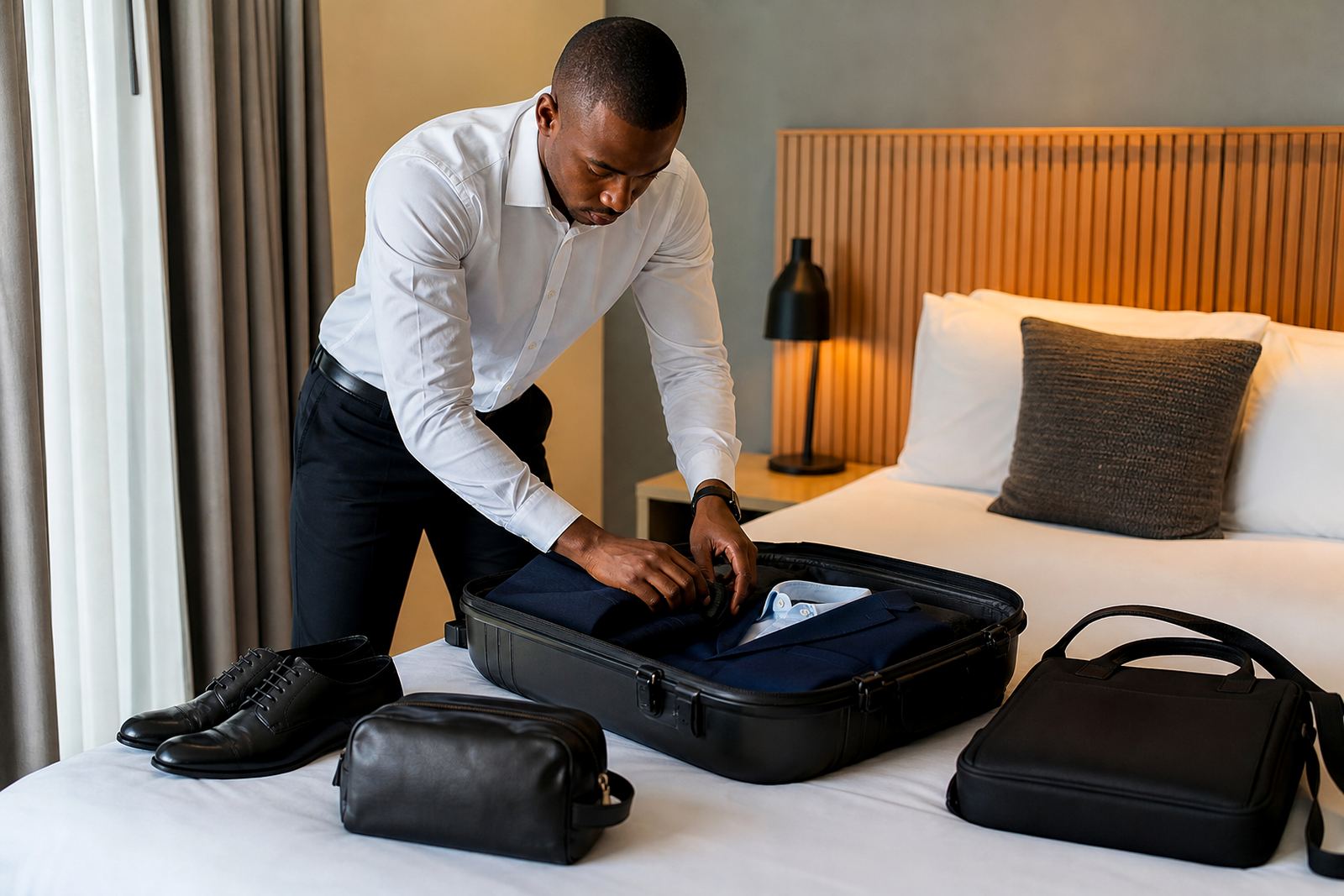
Some meetings are worth a same-day return, but others are more comfortable with an overnight stay. This is especially true if you are travelling from Johannesburg to Durban, Cape Town or Port Elizabeth and want to enjoy hospitality without feeling rushed. An overnight stop also helps if the meeting runs late, if there is a feature card, or if you want to review form after the last race with your group.
Plan your stay near the course or along a route that gives you quick access in the morning. In humid coastal areas, ask for air conditioning and secure parking. If you are travelling during summer, or in a period of heavy rain, book early because rooms near race venues can fill quickly on big race days. A comfortable sleep makes the next morning much easier, and it gives you time to read the racecard properly instead of guessing.
Read The Form Before You Travel
A good travel plan is only half the job. The other half is understanding the form so you know which races are worth your attention once you arrive. Look at recent runs, draw position, track condition, distance, and whether the horse has shown speed early or finishes strongly. Pace maps are useful because they show how a race may unfold, which matters even more when you are following action live from another course.
If the going is soft, sticky or firm, that can change how a race is run and which horses look most suitable. At some meetings, a strong early pace may favour finishers. At others, the leader may not be easy to peg back. That is why our daily tip notes, track condition notes and pace map notes are practical tools for adults who want to study before they travel. Never bet more than you can afford to lose, and remember that betting should stay within your personal limits.
- Check whether the horse has raced well over today’s distance before.
- Look for recent improvement rather than one off flashes only.
- Use the parade ring and warm up to assess condition and calmness.
- Keep your final shortlist small so you can follow it properly on the day.
Race-Day Etiquette When You Are A Guest
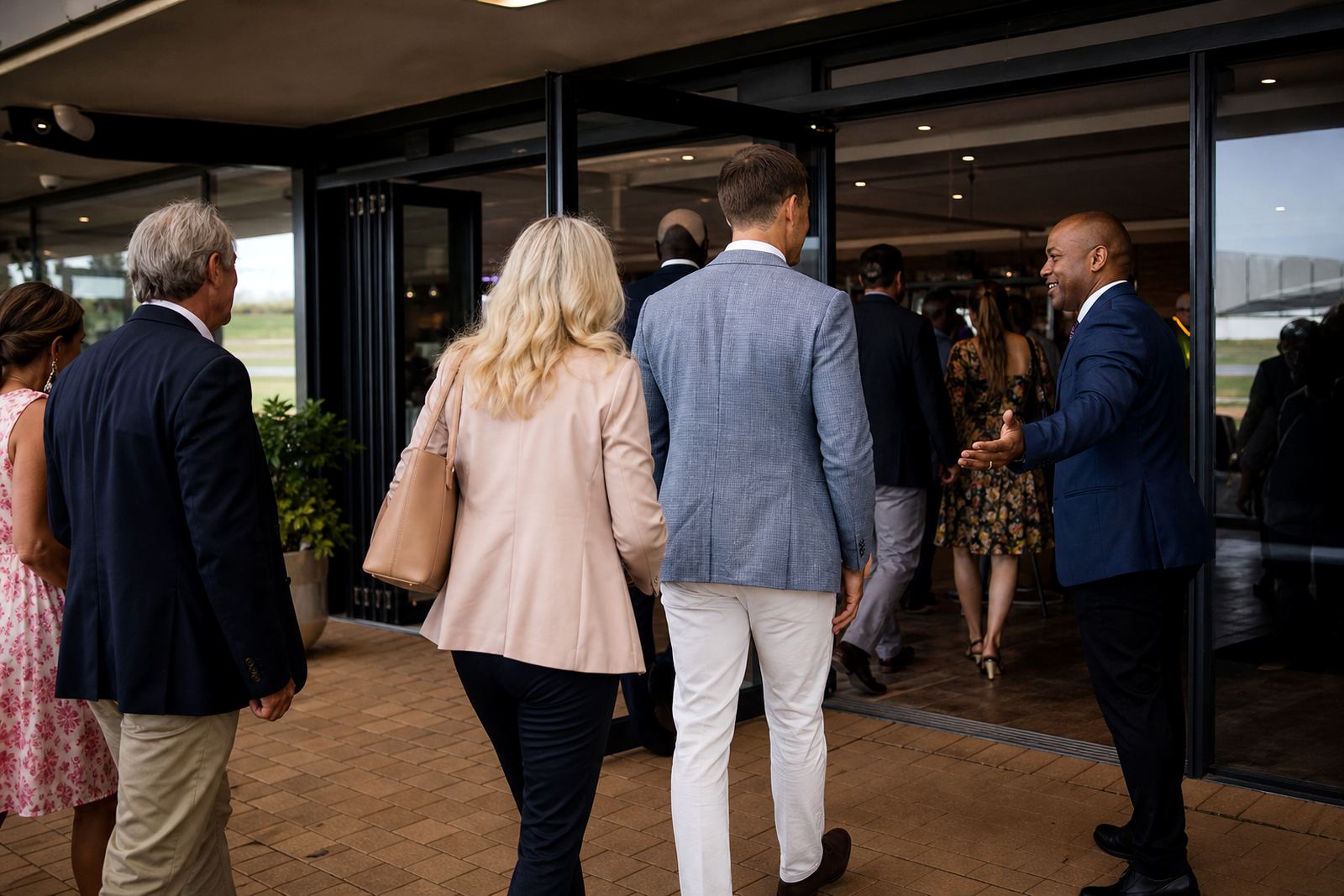
Race day hospitality should feel relaxed, but there is still a clear code of conduct. Arrive on time, respect your host, and keep your place in the seating or dining area tidy. If you are moving between the hospitality space and the rails, be mindful of other guests and do not block walkways. At South African racecourses, staff work hard to keep the day moving, so a little courtesy goes a long way.
Dress for the venue and the weather. In Johannesburg, a cool morning can turn into a hot afternoon, while coastal venues may bring wind and humidity by midday. Keep your phone on silent during formal moments and listen to the racecourse announcements if you need guidance on parade times or scratchings. If you are unsure where to go, ask early rather than wandering around at the last minute.
- Keep conversations low during the running of a race.
- Do not lean over barriers or step into restricted areas.
- Be ready to move when the next race is called.
- Thank staff, especially when your group has special seating or meal requests.
A Johannesburg Example For A Durban Trip
Take a Johannesburg group heading to Greyville for a feature meeting. They leave from Rosebank on the Friday afternoon, book a hotel close enough to avoid a long transfer, and use the evening to review the racecard together. The next morning they check track updates, note any change in conditions and confirm their hospitality arrival time before the first race. That gives them time to settle in instead of arriving flustered and missing the early action.
This same approach works for Kenilworth, Scottsville or Fairview. The course may change, but the principles stay the same: allow travel time, sleep properly, and study the meeting before you leave. If you want help with form reading support, racecourse preview calls or meeting recap notes, it is easier to make decisions when the travel side is already sorted. The less you improvise on the road the more focused your day will be.