Why the barrier draw matters before the start
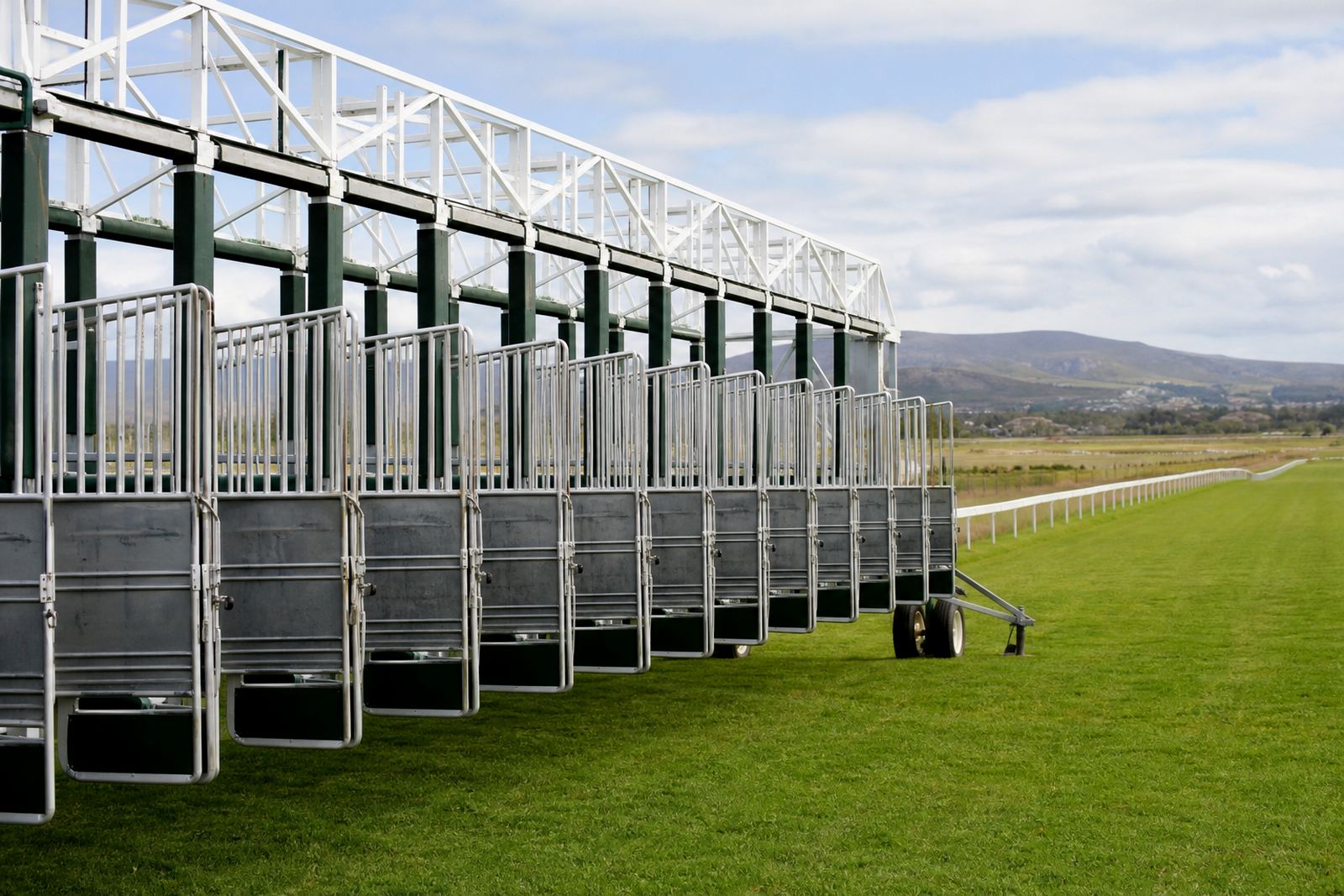
A barrier is the starting stall a horse loads into. On paper it looks simple, yet it can have a real effect on where a runner settles, how much energy it uses early, and whether the jockey can find a clean position without being squeezed. For adults who follow racing form, the draw is part of the full picture, not a stand alone answer.
At some meetings a good draw gives a horse the chance to sit handy without spending too much petrol. In other races, especially over longer trips, the draw matters less because runners have more time to settle and the field can sort itself out. That is why the same barrier can be a plus in one race and nearly irrelevant in another.
When a wide gate is a problem, and when it is not
Wide draws are usually more difficult in short sprint races, where the field has less time to cross over and find a position. If the track favours runners near the inside, a horse that begins from out wide may need to work harder early and that can blunt its finish. In a small field on a fair track, though, a wide gate can be less severe than many people assume.
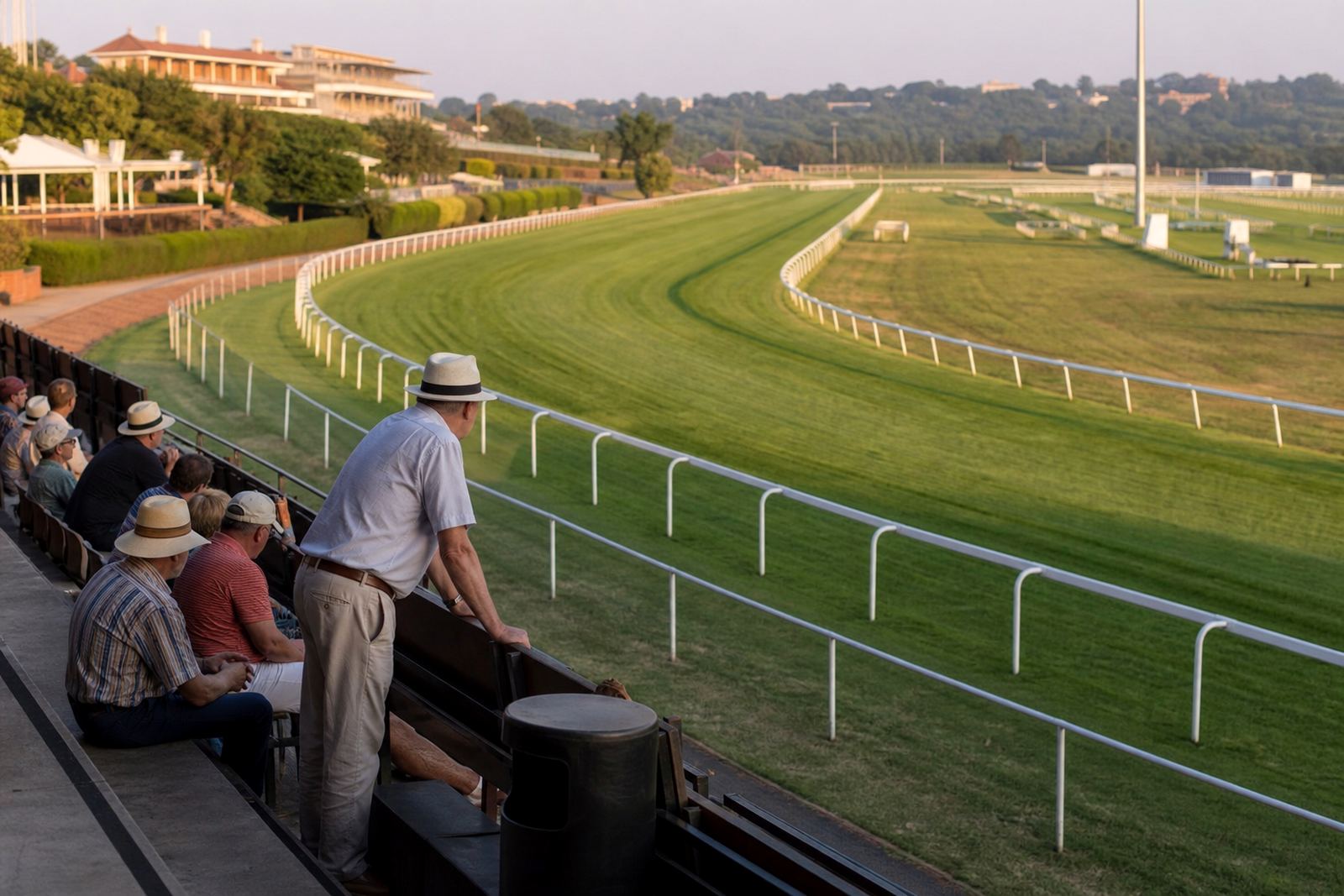
Track shape also matters. At Turffontein, the layout and distance can make some barriers more useful than others depending on the start point and the turn into the straight. At Greyville, Kenilworth, Scottsville and Fairview, the draw story changes again because each course has its own first bend, straight length and running style demands. A good punter checks the race conditions, not just the barrier number.
- Short sprints usually place more pressure on a poor draw.
- Longer races often give riders more time to recover position.
- A low draw helps on some tracks, but not every race.
- Barrier strength depends on pace, field size and track pattern.
How to read the barrier with the rest of the form
Barrier draw should never be used on its own. Start by looking at recent form, then check the distance, class level, and whether the horse has shown pace or prefers to settle. A runner with natural early speed can sometimes overcome a wider gate, while a horse that needs cover may struggle if it has to work hard for position from the jump.
Useful form reading questions include:
- Has the horse drawn wide before and still run well?
- Does it usually jump fast or begin a little slowly?
- Is the race likely to be run at a strong pace?
- Will the rider need to push for the rail or settle in midfield?
That kind of reading helps you see whether the barrier is a real disadvantage or just a talking point. It also keeps novice punters from overrating a low draw when the horse is not sharp enough to use it. Sometimes the gate looks ideal, but the race shape does not suit at all.
Race shape can cancel out the draw
Pace changes everything. If there are several front-runners, even a horse from a middle or outer gate may find a decent tow into the race and avoid being stuck wide. If the pace is slow, a low draw can become much more valuable because the horse can hold a handy spot without chasing hard from the outset. So the draw tells you something, but the likely pace tells you a lot more.
In a race with only a few runners, the barrier may matter less because jockeys can move early without too much traffic. In a big field with tight turns, the opposite can be true. The practical approach is simple, count the runners, study the pace map notes, and ask where the pressure is likely to come from. That is where form reading becomes useful rather than guesswork.
A Johannesburg example from a race day notebook
Take a midweek race at Turffontein with 14 runners over a sprint trip. If the speed horses are drawn low and the one you like is stuck out in stall 12, the horse may have to burn energy just to get a position. On the other hand, if the race has several leaders and your runner has a good turn of foot, the wide draw may not be a deal-breaker if the rider can tuck in behind the pace and save ground.
This is the kind of detail that matters to punters in Rosebank, Sandton, Midrand and the rest of Gauteng when they are studying the card before a race meeting. A barrier is not a verdict, it is a clue. Used properly, it helps you understand the race before you place a bet. Please remember to bet responsibly and only spend what you can afford to lose.
Race-day etiquette and barrier talk in the grandstand
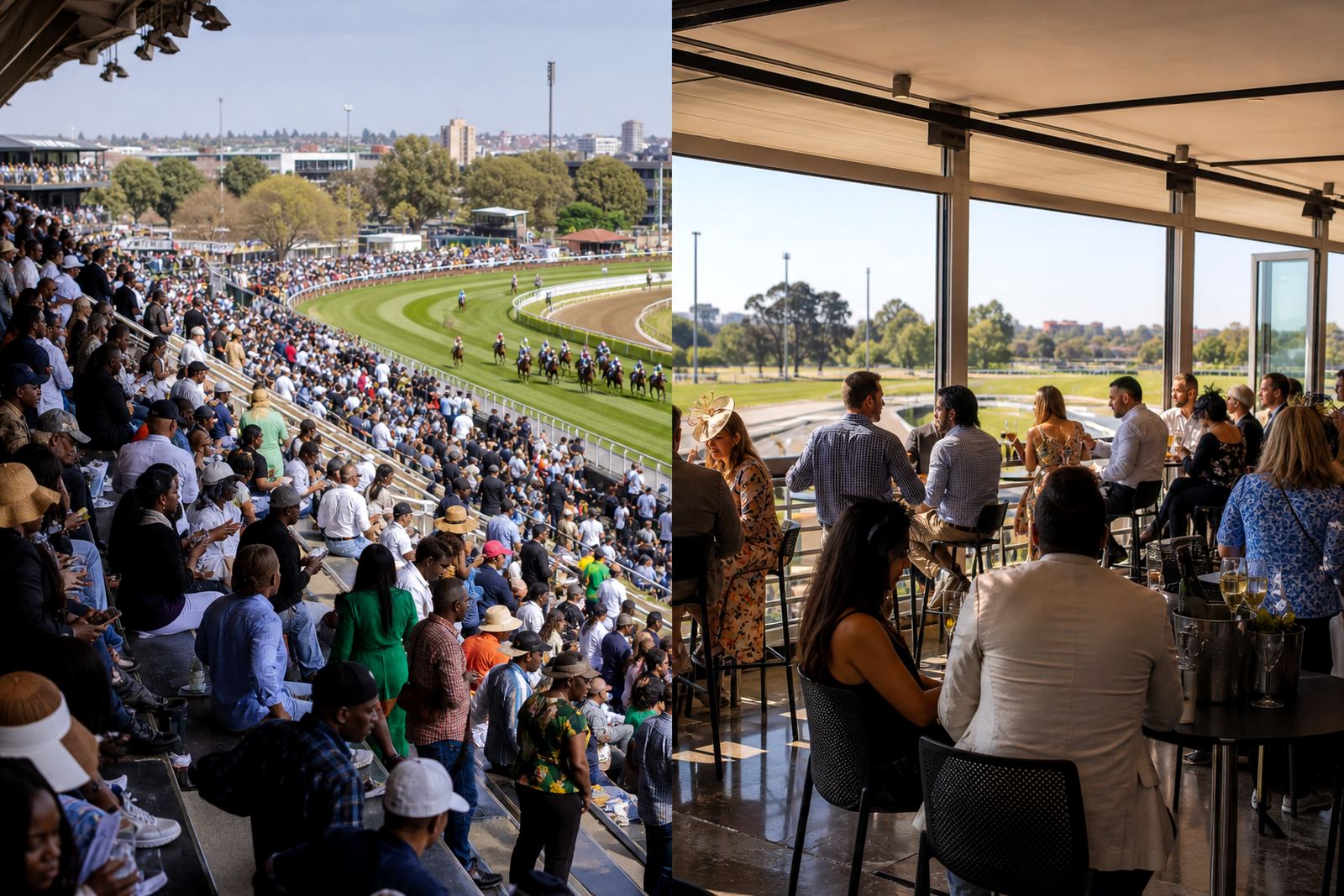
On race day, barrier talk is part of the atmosphere, but good etiquette matters too. Keep your voice low near the parade ring, do not block walkways, and give other racegoers space when the horses are being saddled or heading to the track. If you are watching with friends, it helps to stay focused on the horses and the cards, not crowd the rail or disturb people trying to follow the action.
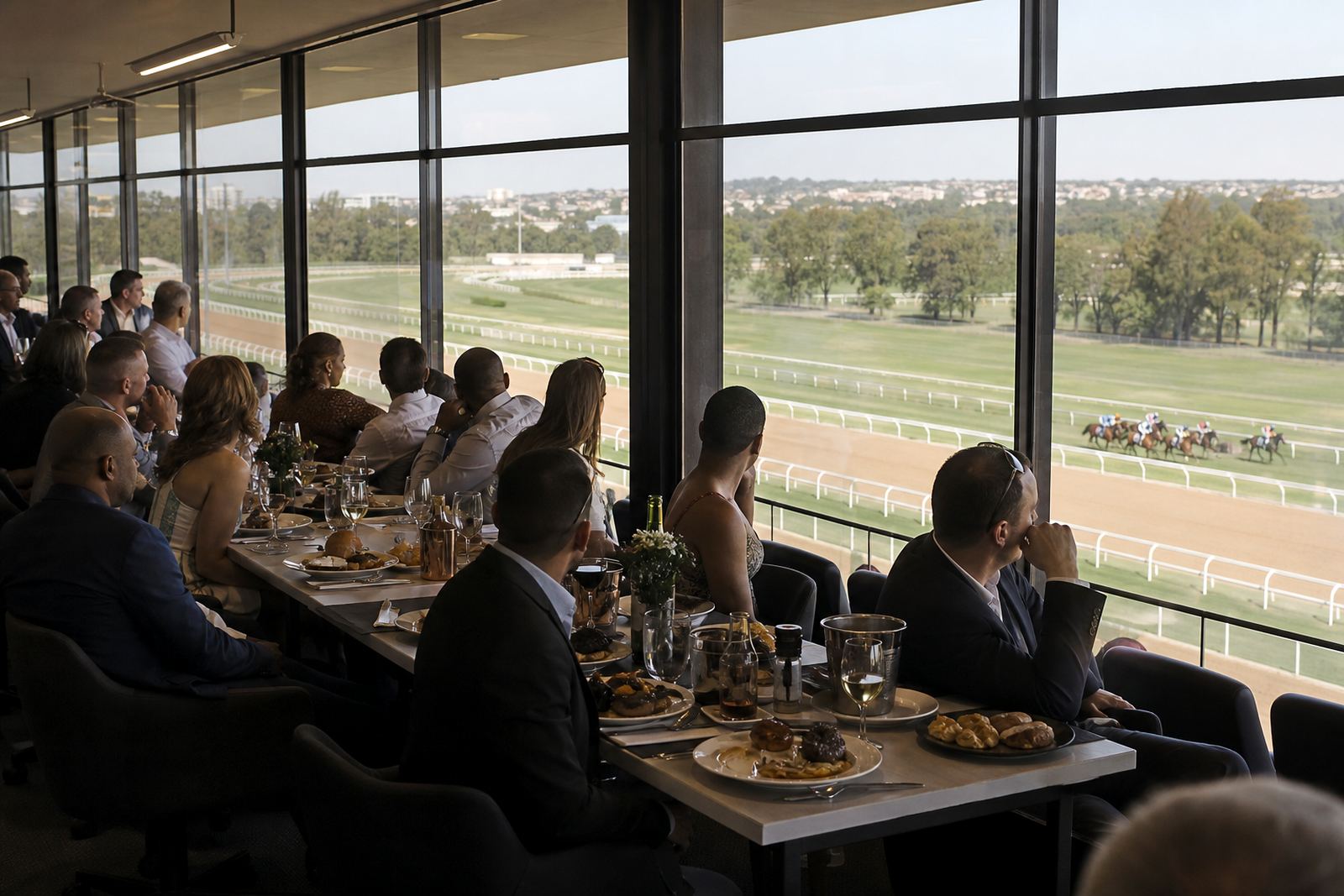
Hospitality guests should arrive early, check the race times, and allow enough time to settle in before the first race. At venues such as Greyville, Kenilworth, Scottsville and Fairview, the draw discussion often continues right up to the off. That is normal, but the smart habit is to stay calm, compare notes and treat the barrier as one part of the race, not the whole story.