
Why pace matters before the field leaves the gates
Pace is the speed a race is run at from the start through to the finish, and it can change everything about how the final 400 metres unfolds. A horse with a strong finishing effort may look well treated on paper, but if the early tempo is slow and the leaders get an easy lead, that finisher can be left with too much to do.
At South African racecourses, pace is one of the first things we check when building a racecard shortlist. It helps you judge whether a horse is likely to be close to the speed, sit midfield and wait, or settle at the back for one run at them. That position can matter as much as class, fitness or draw.
How to read early speed in a form guide
Form reading is not only about finishing positions. It is about how those runs were achieved. A horse that breaks quickly and holds a handy spot is showing early speed. Another that takes time to settle may need a stronger tempo to produce its best work late. The racecard, comments and sectional clues all help you work out the likely pattern.
- Look for horses that jump well and hold position without being ridden hard.
- Check whether a horse races best over 1400m, 1600m or further, because pace demands change by trip.
- Note if a runner has led before, or if it usually comes from off the pace.
- Watch for repeat patterns across different tracks, since some horses prefer a fast-run mile while others need things to go their way.
A useful habit is to ask one simple question: if this race is steady early, who benefits? If it turns into a proper gallop, who starts finishing strongest? That is often where the value lies, not just in the finishing order.
Settling positions and what they tell you
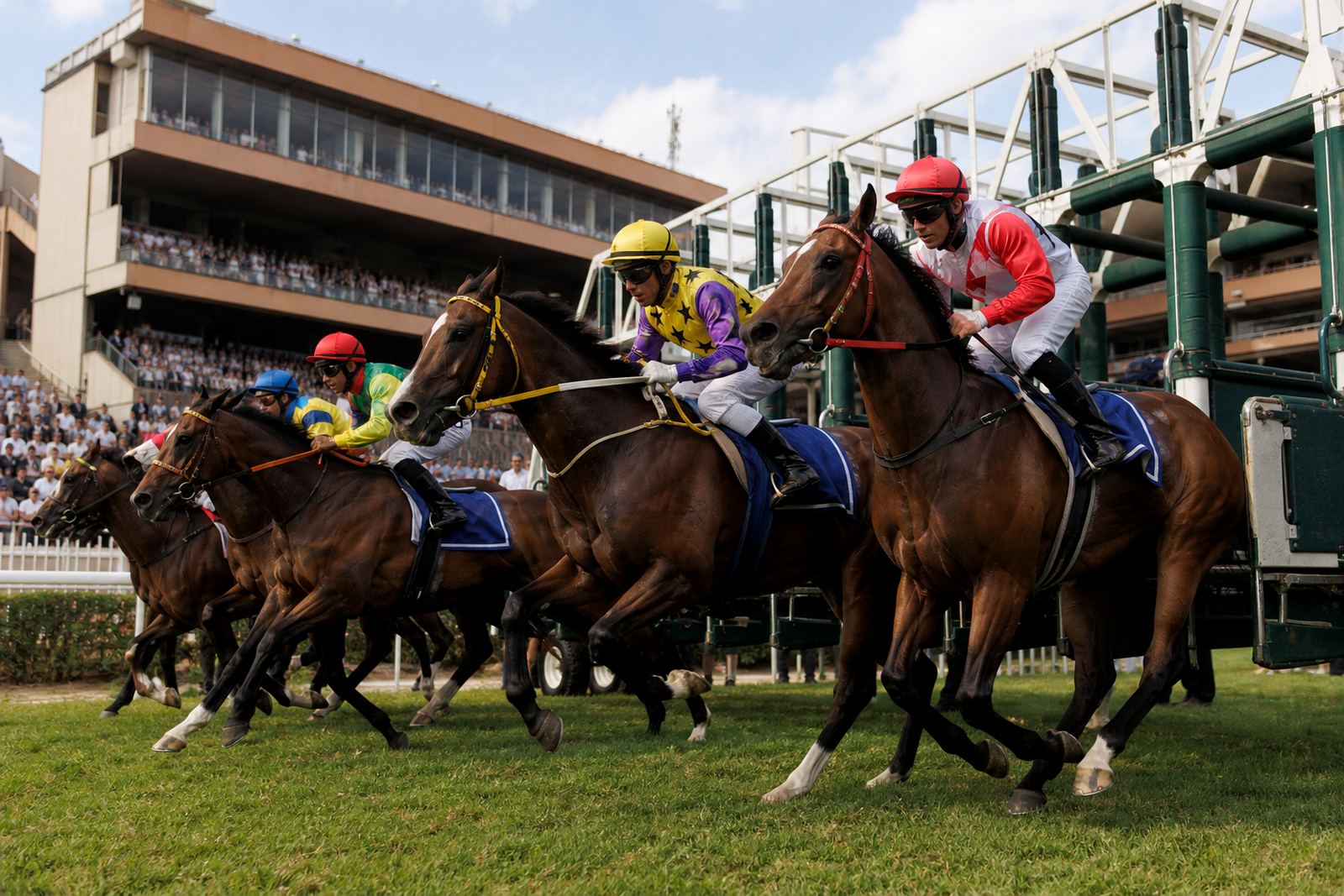
Once the gates open, a race begins to take shape very quickly. Some horses settle in the first four, some find a rhythm just behind them, and others are better when held up for one late effort. The settling position can tell you more than the official result, especially if a horse was forced wide, pulled hard or found itself trapped behind tiring runners.
In Gauteng, where tight turns and straight lengths vary by course, the settling spot can influence how much energy a horse uses before the real sprint begins. A runner that expends too much early often weakens late, even if it looked comfortable for the first half of the race.
- Front-runners can control the race if left alone, but they need enough fitness to finish off.
- Handy runners often get the best of both worlds, with clear running and a saving of ground.
- Backmarkers depend on pace and luck, especially if the field bunches up before the final bend.
If you are new to racing, start by identifying the likely leaders first. Then work backwards through the field to see which horses can sit close without over-racing. It is a practical way to reduce guesswork.
Why race tempo changes the finishing effort
Tempo can be steady, even, or genuinely strong. A slow tempo often gives front-runners a better chance because they are allowed to conserve energy. A strong tempo can help closers, but only if they are good enough to sustain a long run and do not get stopped in traffic.
That is why two horses can run from similar positions but finish very differently. One may have had a perfect tow into the race while another spent energy chasing a hot pace and had nothing left when it counted. Small differences in tempo can alter the whole shape of the result.
For punters, this is where betting discipline matters. Pace is a clue, not a guarantee, and adults 18+ should bet within a set budget and treat it as entertainment. Never chase losses on the back of one bad ride or a race that did not unfold as expected.
Turffontein, Greyville and other local track notes
South African racecourses do not play the same way, so pace must be judged in context. At Turffontein, the long run-in can give a closer a chance if the pace has been honest. At Greyville, positioning can be vital and runners that travel well through the middle stages often save a lot of energy. Kenilworth and Scottsville can also reward horses that are placed correctly early, while Fairview meetings sometimes hinge on how well a horse handles the rhythm of the race and the pace pressure up front.
When we prepare Daily Tip Notes, Pace Map Notes and Meeting Recap Notes from Rosebank, Johannesburg, we look at the track, the draw and the likely race tempo together. That matters whether you are following a weekend card or planning a race day outing from Sandton, Midrand, Randburg, Bedfordview, Pretoria, Centurion or Kempton Park.
- Heavy ground can blunt early speed and make leaders vulnerable late.
- Coastal humidity can affect how a field settles and recovers between runs.
- Load-shedding and tighter race-day schedules can make it even more useful to review the card before you leave home.
Race-day etiquette when pace is the talking point
If you are heading to the course for hospitality or simply following the action trackside, a little etiquette goes a long way. Listen to the pre-race information, keep movement to a minimum near viewing areas, and let others see the finish. If you are discussing pace with friends, keep it practical and respectful. Not every race needs a loud opinion, and not every pace map turns out as expected.
Our hospitality team, led by Mamello Mabandla and supported by Nyiko Mnguni on race day, helps guests enjoy the meeting without rushing or confusion. For newcomers, a good race day is often about timing, reading the field calmly and knowing when to step back for the last few minutes before the off.
If you are betting, remember that there is no sure thing in racing. Use pace as part of your research, along with form, track condition and race distance, and keep your spend sensible. Responsible betting matters for every adult punter, whether you are at Turffontein or watching from home.
A simple way to build a better pace picture
Before the race, make yourself a short pace checklist. It will not tell you everything, but it will help you avoid rushed decisions. Gert Vosloo and the form team often start with this exact approach when putting together a feature meeting preview or a novice punters help note.
- Which runners want to lead, and which are likely to sit just behind?
- Is the race likely to be slow, even, or run at a strong gallop?
- Which horses have shown they can finish well when the pace is honest?
- Does the track, distance or draw favour a certain racing style today?
Once you can answer those questions, race tempo stops being a vague idea and becomes a proper form factor. That is where pace begins to help you make steadier, better informed decisions.