
Start with the day’s weather and the venue
In Johannesburg, race day clothing often needs to work for four seasons in one afternoon. A cool morning in Rosebank can turn into strong sun by midday, and a late summer storm can arrive fast. For turf meetings at Turffontein or a coastal trip to Greyville, light layers make sense because the temperature can change and wind can pick up in exposed areas.
Check the forecast before you leave, then dress for the venue rather than only the drive there. Outdoor spaces can feel warmer than a shaded stand, while evening hospitality can turn cooler once the sun drops. If rain is possible, choose shoes that can handle wet paving and grass, because muddy steps are part of race day more often than people expect.
What works best in hospitality areas
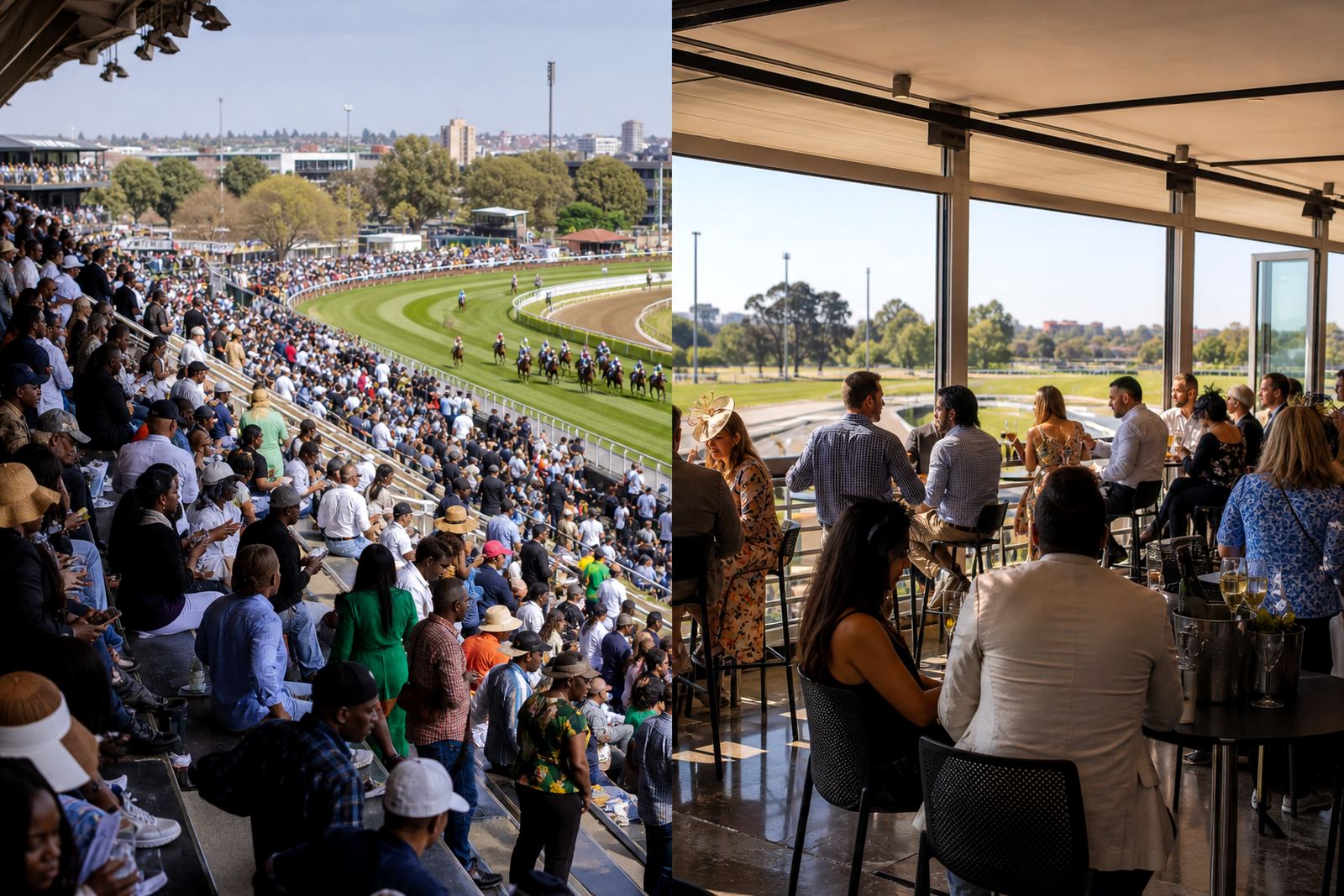
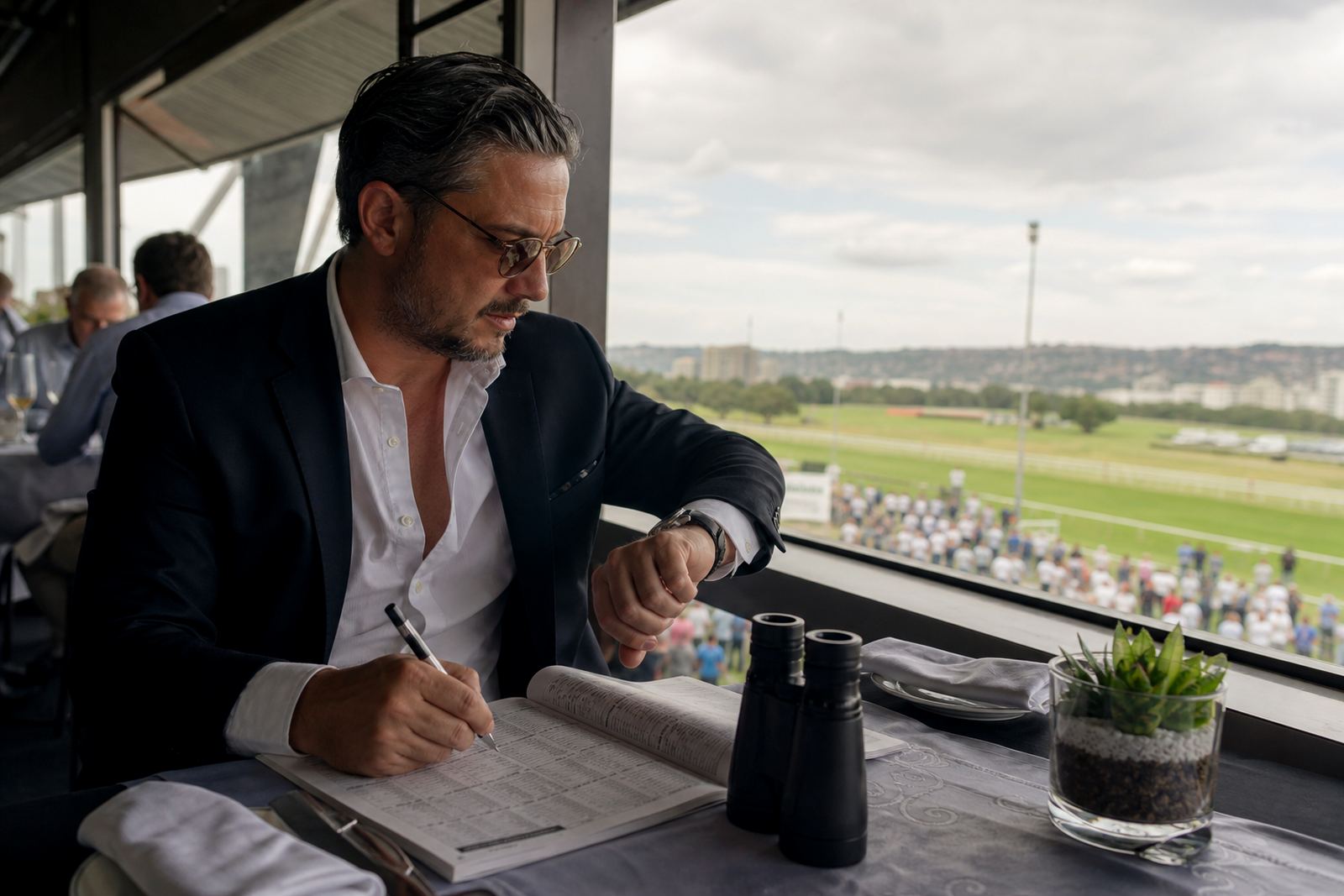
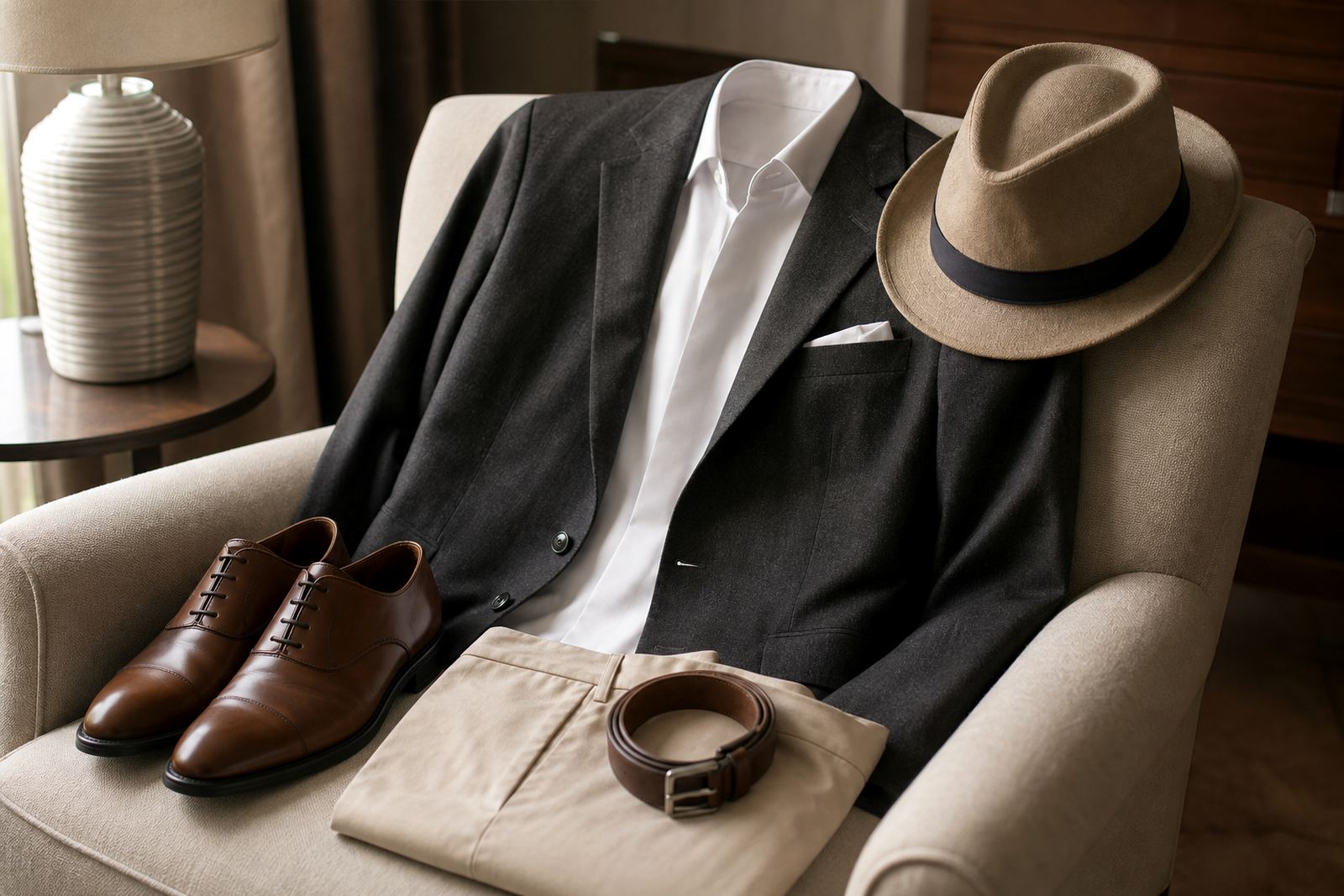
Hospitality packages usually call for neat, smart-casual clothing. You do not need to dress formally unless the invitation says so, but you should still look tidy and feel comfortable enough to sit, stand and walk between the suite, terrace and betting area. Men often do well in chinos or tailored trousers with a collared shirt or a clean knit. Women may prefer a dress, skirt or trousers with a blouse, or a polished casual outfit that still feels relaxed.
Good shoes matter more than most people think. If you will be moving across paving, stairs or lawns, choose stable footwear rather than thin soles or new shoes that have not been broken in. A light jacket, wrap or blazer is useful for air-conditioned rooms and for cool coastal evenings in places like Kenilworth or Fairview.
- Choose clothes that stay neat after several hours of sitting and moving around.
- Avoid heavy fabrics if you expect heat, humidity or a full afternoon in the sun.
- Keep a small bag for sunglasses, tickets, a card or cash, and a compact rain cover.
- If the venue is more formal, it is better to be slightly smarter than too casual.
Grandstand clothing should balance comfort and respect
The grandstand is less formal than some hospitality spaces, but it still pays to dress with care. Clean jeans, trousers, a shirt, blouse or a simple dress all work well if they are neat and practical. Race day is a public outing and many people are there to enjoy the event as a social occasion, so avoid clothing that is too beach-like, overly revealing or difficult to move in.
Think about the full day. You may stand for a race, sit for the next one, then walk to collect a snack or study the racecard. A light scarf or hat can help with sun and shade, while a jacket is useful if the wind gets up. In Johannesburg, an afternoon breeze can feel stronger than expected once you are on an open terrace.
- Wear shoes with grip if you expect stairs, wet patches or grass edges.
- Pick clothes that do not need constant adjusting while you are following the action.
- Bring a cap or brimmed hat for daytime meetings.
- Keep jewellery and accessories simple so they do not get in the way.
Outdoor spaces need sun protection and practical layers
If you will spend time near the rail, along open walkways or in outdoor viewing areas, practical clothing is the safest choice. Sunblock is important even on cloudy days, and a hat with a brim is often more useful than a fashion piece that offers no shade. Light colours can help in hot weather, while darker colours may feel better later in the day if the air cools.
For summer meetings, especially in humid conditions on the coast, breathable fabrics help you stay comfortable. Cotton blends, linen mixes and other lighter materials usually work better than heavy synthetic clothing. In winter, a layering approach is best: shirt or top, warmer mid-layer, then a jacket you can take off when you move indoors.
Load-shedding or venue delays can add a bit of uncertainty to the day, so it is sensible to carry a small torch on your phone, keep your belongings together and avoid anything you will need to rearrange often. Race day should feel relaxed, not fussy.
Footwear and accessories can make or break the day
People often focus on the outfit and forget the basics. Shoes, bags and accessories are the parts that affect comfort most. If you are walking from parking areas, across grass, or between betting counters and viewing spaces, choose footwear that has already been worn comfortably. High heels, slick soles and stiff new shoes can be a problem on uneven ground.
A crossbody bag, small backpack or neat tote is usually better than carrying loose items. Keep only what you need: ID, payment method, reading glasses if you use them, tissues, sunscreen and a phone charger. A compact umbrella can be a smart addition in Gauteng, where a summer storm can appear without much warning.
- Wear shoes that you can stand in for several hours.
- Use a bag that closes properly and stays secure in a crowd.
- Carry sunscreen and a bottle of water if the venue allows it.
- Bring a jacket or wrap even if the morning feels warm.
Dress for the occasion and read the room
Racing has its own rhythm, and part of good race-day etiquette is dressing in a way that suits the venue and the people around you. If you are attending a hosted package with Racing House, smart-casual attire is usually the safest choice unless the booking notes say otherwise. If you are going straight to the grandstand, a neat and easy outfit is often enough, as long as it is respectful and practical.
A local example: a Saturday at Turffontein can start cool in the car park, feel warm in the sun by the middle of the afternoon, then cool again once the last few races are done. That means layers, sensible shoes and a jacket in hand are better than trying to guess one fixed outfit for the whole day. The same thinking works at Greyville on a humid summer evening or at Scottsville on a cooler winter card.
For adults who are also studying form guides and shortlists, clothing should let you focus on the races, not your outfit. If you are placing bets, do so responsibly and only if you are 18 or older. Set a limit before the first race and stick to it.