
Start With the Money You Can Spare, Not the Money You Hope To Win
Before you look at a racecard or book hospitality, decide what you can comfortably spend for the day. Keep it money set aside for entertainment only, with rent, school fees, fuel and grocery money left untouched. That simple step takes the pressure off and helps you enjoy the card without chasing losses later.
A practical budget has four parts: getting there, food and drinks, hospitality if you want it, and betting money if you choose to play. If you are travelling from Rosebank to Turffontein or from Sandton to a meeting at one of the coastal tracks, the full day cost can change fast once parking, tolls and snacks are added. Write the figures down before you leave home, even if it is only on your phone. A written limit is easier to follow than a memory you will argue with after a losing run.
If you are going with friends, decide whether each person pays their own way or whether you are splitting one booking. Mixed arrangements often cause confusion at the gate, at the bar and in the betting ring. Clear money plans keep the mood steady and make the day smoother for everyone.
Work Out Travel Costs Early, Especially on Busy Race Days
Transport is often the first part of the budget people under estimate. Johannesburg traffic, parking fees and weekend congestion around racecourses can turn a short trip into an expensive one. If you are coming from Pretoria, Centurion, Kempton Park or Randburg, allow extra time and a little extra cash for delays or route changes.
Use the trip to decide what makes sense for your group. A private car may suit a family or a small group with cooler boxes and extra gear, while a ride service might suit two people who want to avoid parking hassles. If you are driving, include fuel and parking in your budget. If you are attending a meeting at the coast, remember weather and traffic can change the whole cost picture, especially when holiday traffic or rain slows the roads.
- Allow for fuel, parking and any tolls before you leave.
- Keep a small cash amount for last minute costs, but not your full budget.
- Plan your departure time so you are not paying for rush hour stress.
For race days at Turffontein, Greyville, Kenilworth, Scottsville or Fairview, the smartest budget is the one that already includes the trip there and back. That way the rest of the day stays under control.
Set a Hospitality Spend That Matches the Day You Want
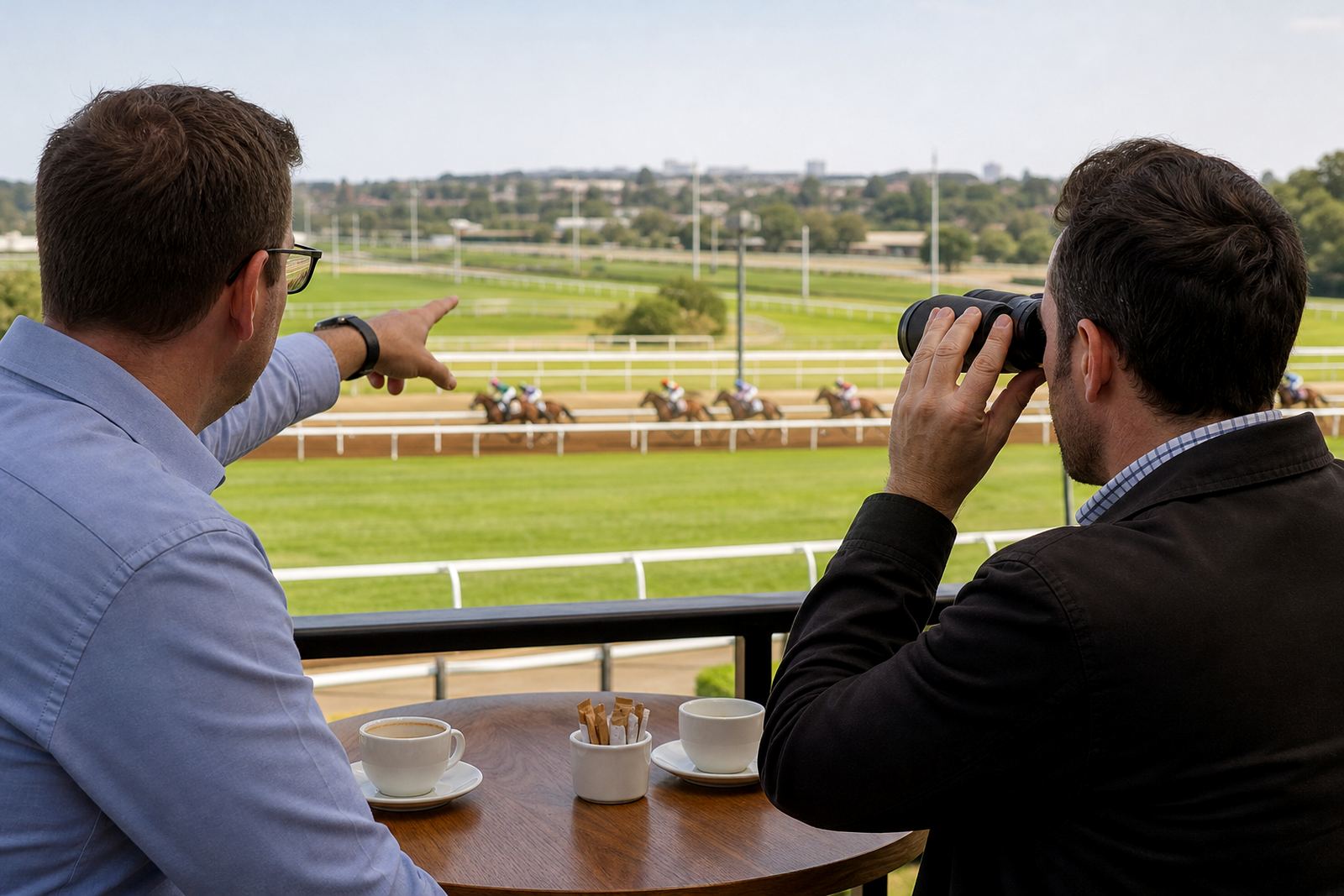
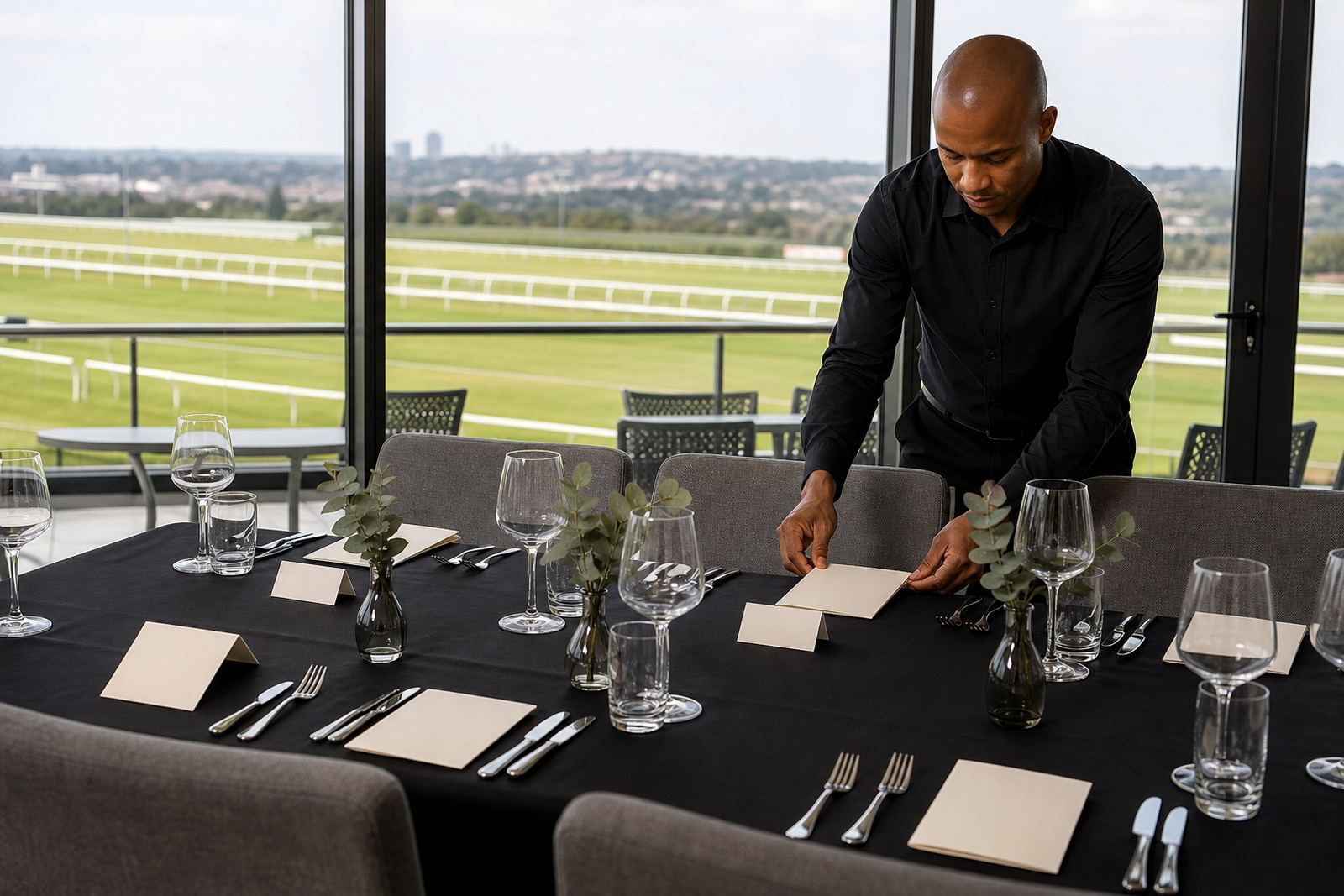
Hospitality is part of the appeal of a race day, but it should fit your plan, not push you past it. If you want a relaxed outing with a meal, shaded seating and a place to sit between races, treat that as a fixed cost. If you only want a light lunch and a few drinks, budget for that specifically instead of letting small purchases pile up through the afternoon.
It helps to think in simple categories. One category is the booking itself. Another is extra drinks or snacks. A third is taxi fare, parking or anything else linked to the outing. Keep those parts separate so you can see where the money is going. On hot days, especially in Durban or Cape Town, a little extra for water and a hat can save you from buying expensive replacements at the course. In Gauteng, load-shedding and power interruptions can affect travel timing and meal planning, so it is worth keeping your schedule flexible too.
- Confirm what is included in the hospitality package before you pay.
- Set a top-up limit for extras like drinks or snacks.
- Keep a small reserve for unexpected changes in weather or timing.
If you are attending with older relatives, clients or first-time racegoers, a well planned hospitality budget gives the whole group a more comfortable day without surprises.
Betting Money Should Be a Separate Envelope
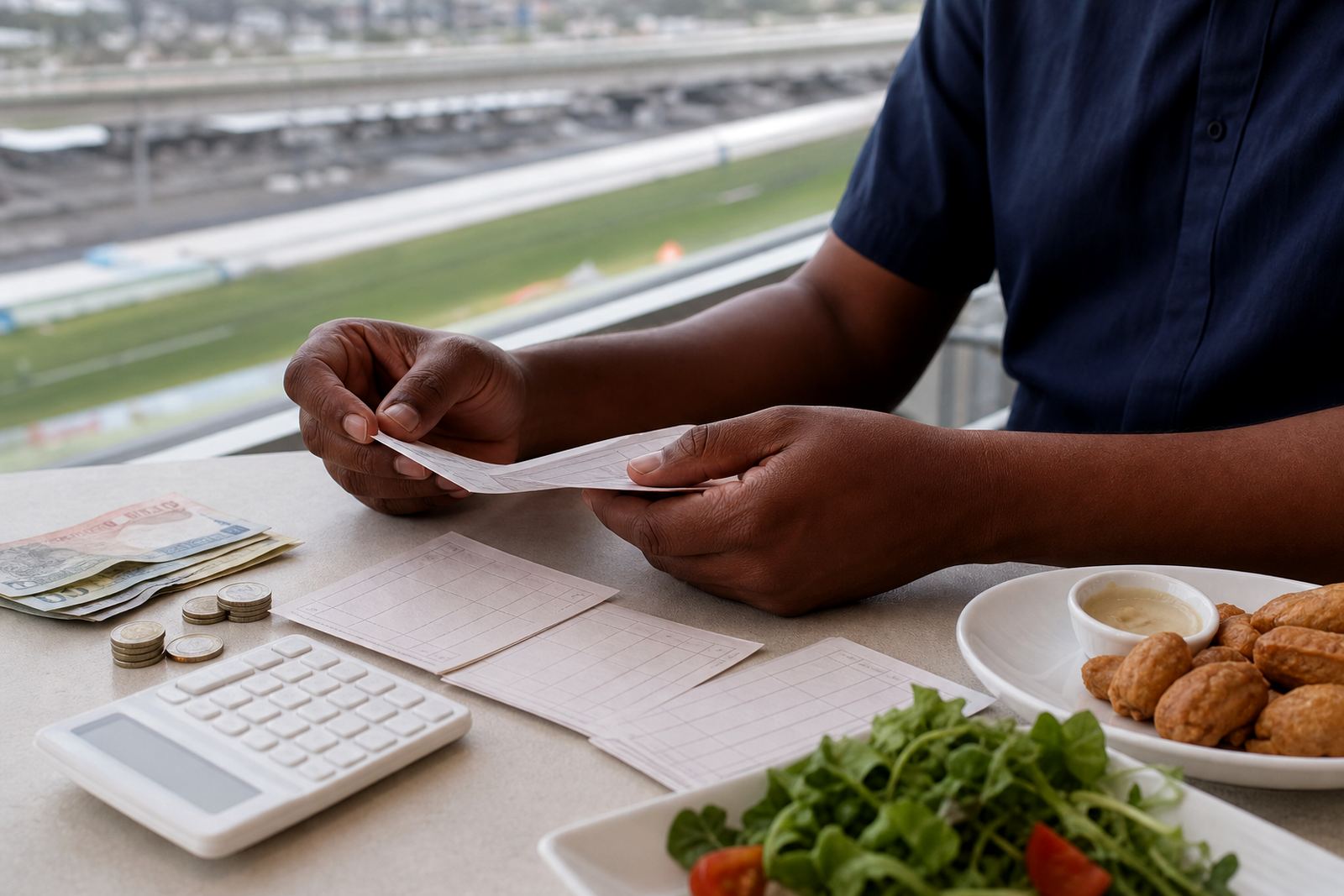
If you choose to bet, keep that money apart from the rest of your day spend. Do not mix it with transport or meal money. A separate envelope, wallet pocket or digital note makes it easier to track and stop when the limit is reached. The aim is not to spend more, it is to enjoy the form study and the race itself with clear boundaries.
When reading form, use the racecard to check recent runs, class, distance, draw, track condition and how the horse has been finishing its races. Look at whether a runner is stepping up or down in distance, whether the going suits it, and whether the pace of the race may help or hinder. If you are new to this, start with one or two races instead of trying to play every event on the card. Keep your selections simple and your stake size small.
Responsible betting matters. Only wager what you can afford to lose, and stop if the day stops being fun. If you are feeling pressure to win back losses, step away from the betting window and reset. A budget only works when you respect it.
Use Form Notes To Match Your Spend To the Card
Good budgeting is not only about Rand amounts, it is also about where you place your attention. A race card with many competitive fields may call for a modest betting plan and more focus on learning. A meeting with a few strong form lines may suit a shorter shortlist and a tighter spend. Either way, avoid betting just because the race is on. Have a reason for each selection.
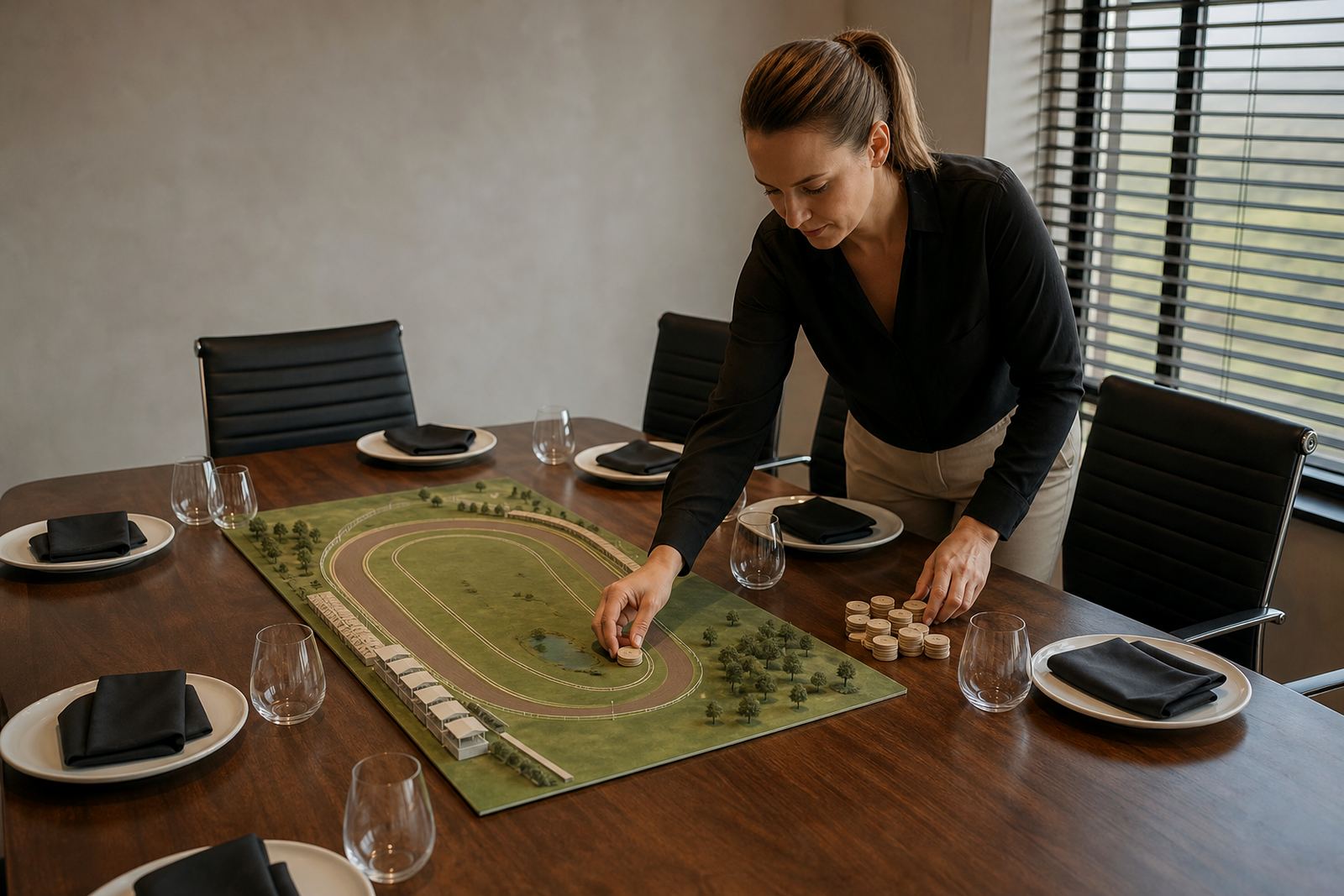
For novice punters, a useful plan is to set a daily limit, choose a few races and write down why each horse made your shortlist. You might be backing a runner with a better draw, a horse that handled the going last time, or one that looks suited to the pace shape. That approach keeps the day practical and helps you learn instead of guessing.
- Use track condition notes to narrow the field.
- Check pace map notes so you know which runners may get the right run.
- Keep your shortlist short, especially on large feature cards.
When you are learning form reading, the best budget is the one that lets you observe, take notes and walk away with your limit intact.
A Local Johannesburg Example Makes the Budget Real
Say you are meeting friends in Rosebank and heading to Turffontein for a Saturday feature meeting. You plan your fuel, parking and food before you leave. You also set a hospitality amount that covers your booking, then give yourself a small betting amount for the races you have studied. Because the money is separated, you know exactly what the day will cost before the first race goes off.
That kind of planning works just as well for clients coming from Sandton, Midrand, Bedfordview or Centurion. It also helps when the group includes both experienced punters and newcomers. Everyone knows the cost, the timetable and the limits. There is less rush, fewer awkward conversations and more room to enjoy the trackside atmosphere.
At Racing House, our form guides, tip notes and race-day hospitality support are built to help you plan with more confidence. The best race day is not the one where you spend the most, it is the one where you know exactly what you have spent and why.