
Why a race day works for client hosting
Horse racing gives you a setting that is social, structured and easy to move through in small groups. There is a natural rhythm to the day: arrivals, a preview of the card, a few races, lunch or snacks, then time to talk between events. That makes it easier to host clients who want something a bit more engaging than a restaurant table but less formal than a boardroom.
For Johannesburg firms, race-day hospitality also suits mixed client groups. Some guests know the form already, others are there for the atmosphere and a pleasant afternoon. The key is to keep the day clear and orderly. When people know where to meet, when to sit, and what happens next, they settle in quickly and the day feels considered rather than rushed.
At Racing House, we see client hosting as a practical service, not just a social outing. The best days are planned around the people attending, the racecourse, and the amount of time available between meetings or travel. A simple plan goes a long way.
Choosing the right racecourse and meeting type
Not every race meeting suits every group. A weekday outing at Turffontein may work well for a smaller business team from Rosebank or Sandton, while a weekend meeting at Greyville, Kenilworth, Scottsville or Fairview may suit clients travelling from further afield or combining the day with a longer visit. The point is to match the meeting to the mood you want to create.
Meeting type matters too. Feature races usually draw stronger attention, larger crowds and more conversation around the card. A quieter midweek card can be better for in-depth client discussion, especially if your guests prefer a calmer pace. Race-day hospitality packages should also factor in travel times from areas such as Midrand, Randburg, Bedfordview, Pretoria, Centurion and Kempton Park so clients are not arriving flustered.
- Choose a racecourse that fits the tone of the group
- Allow extra time for traffic, parking and entry checks
- Keep the venue close to your hospitality point if guests will move around
- Check weather exposure, shade and seating options for the time of year
Reading form without overcomplicating it
Many hosts want to understand enough form to join the conversation without trying to become punters overnight. That is the right approach. Start with the basics: recent runs, distance suitability, the draw, track condition and whether the horse has performed well at that course before. On a good day, the racecard should give you enough to follow the shape of the contest and make informed discussion points.
Track condition matters more than many first-time visitors realise. A drying track in Johannesburg can ride differently from a wetter surface at the coast, and a race on a winter afternoon may feel very different from a summer meeting with more humidity. Pace also plays a part. Some horses need a strong early gallop while others prefer to sit handy and finish late. If you are reading the racecard with clients, keep it simple and practical.
- Look for recent consistency, not just a single standout run
- Check whether the horse stays the trip or is better over shorter distances
- Note whether the draw is helpful for the race shape
- Pay attention to going, especially after rain or on a firm surface
Our Form Reading Support, Pace Map Notes and Track Condition Notes are useful for hosts who want a clear, businesslike summary before the first race. If betting is discussed, keep it modest and remind guests to wager responsibly, only if they are 18+ and within their means.
Race-day hospitality that feels polished
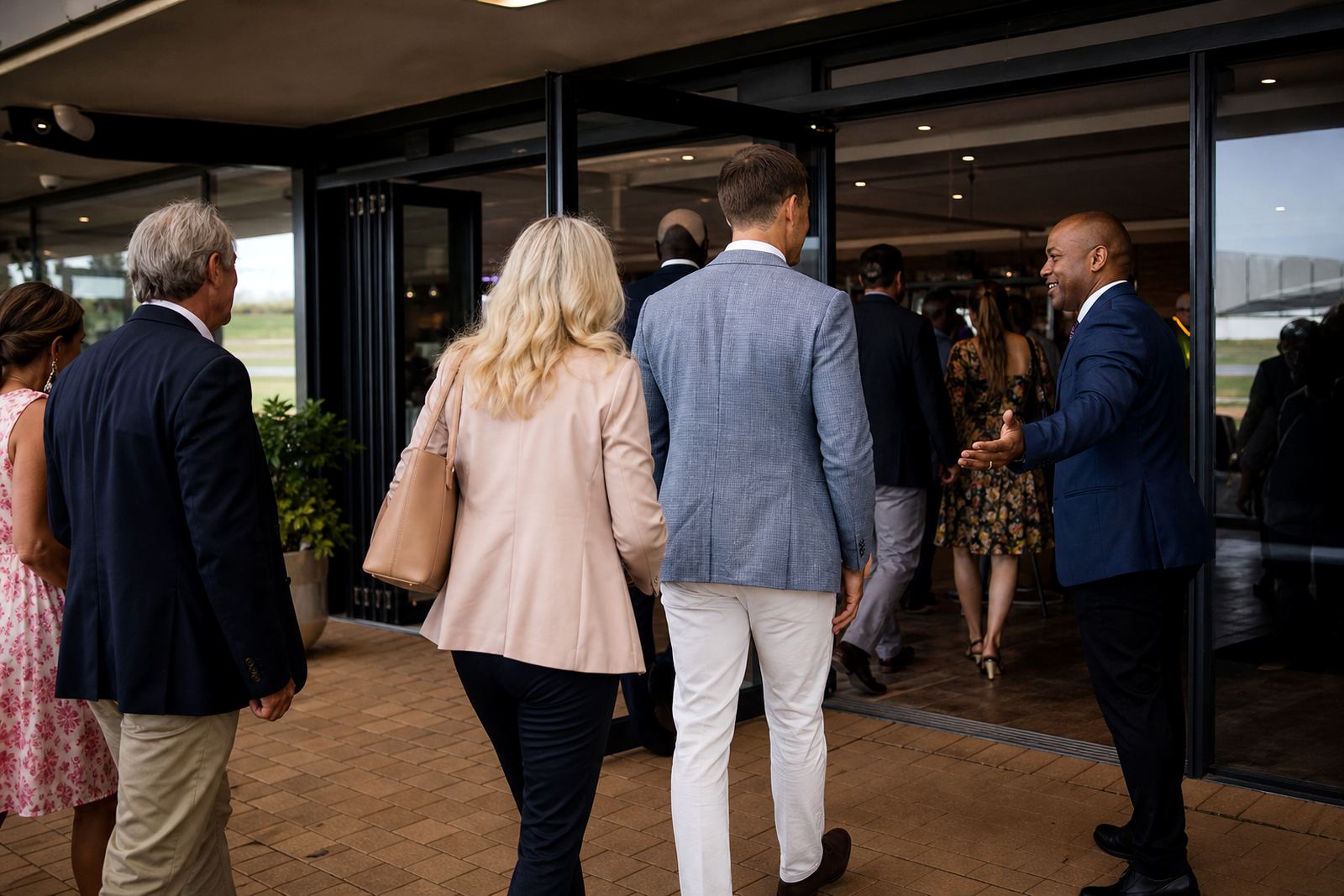
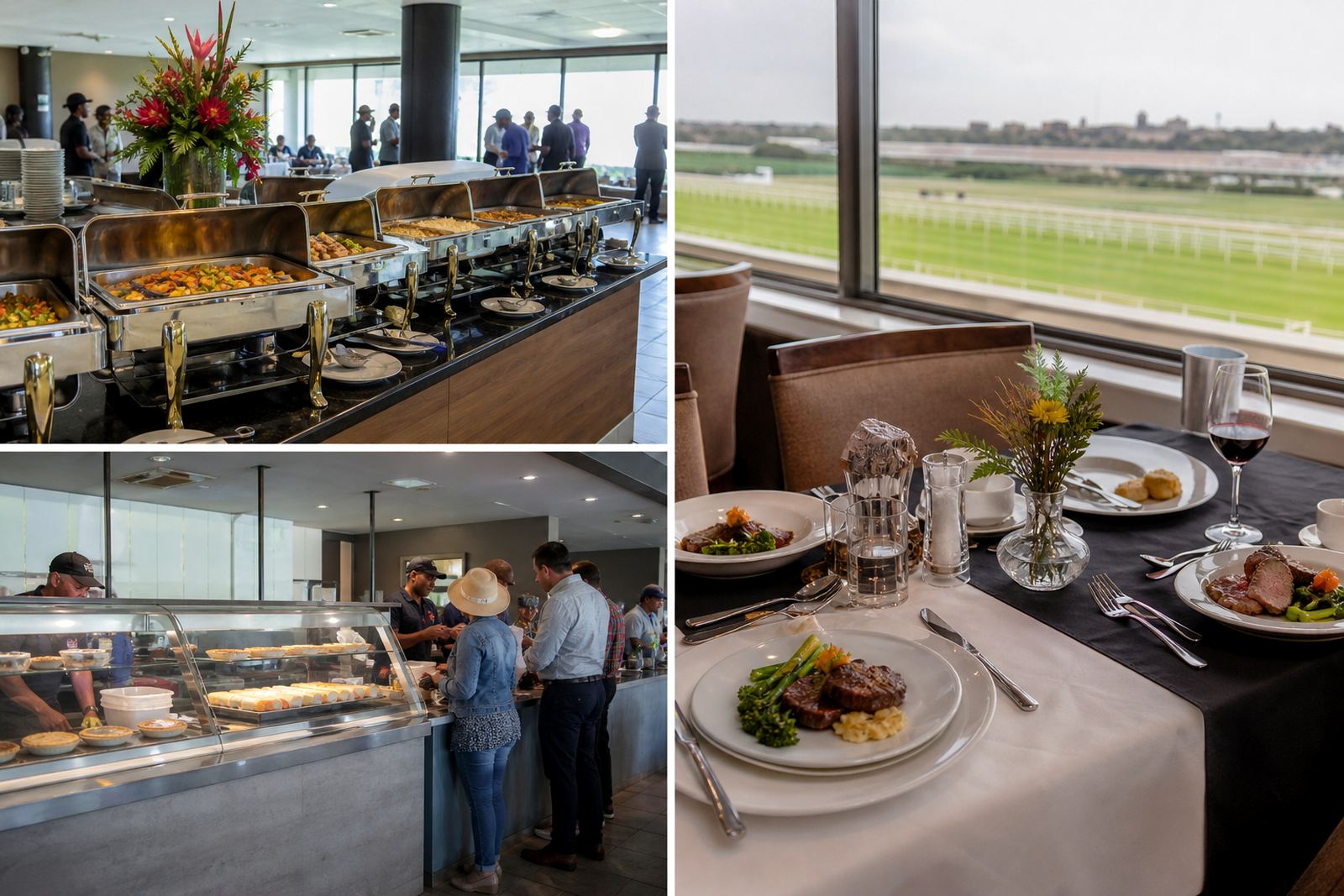
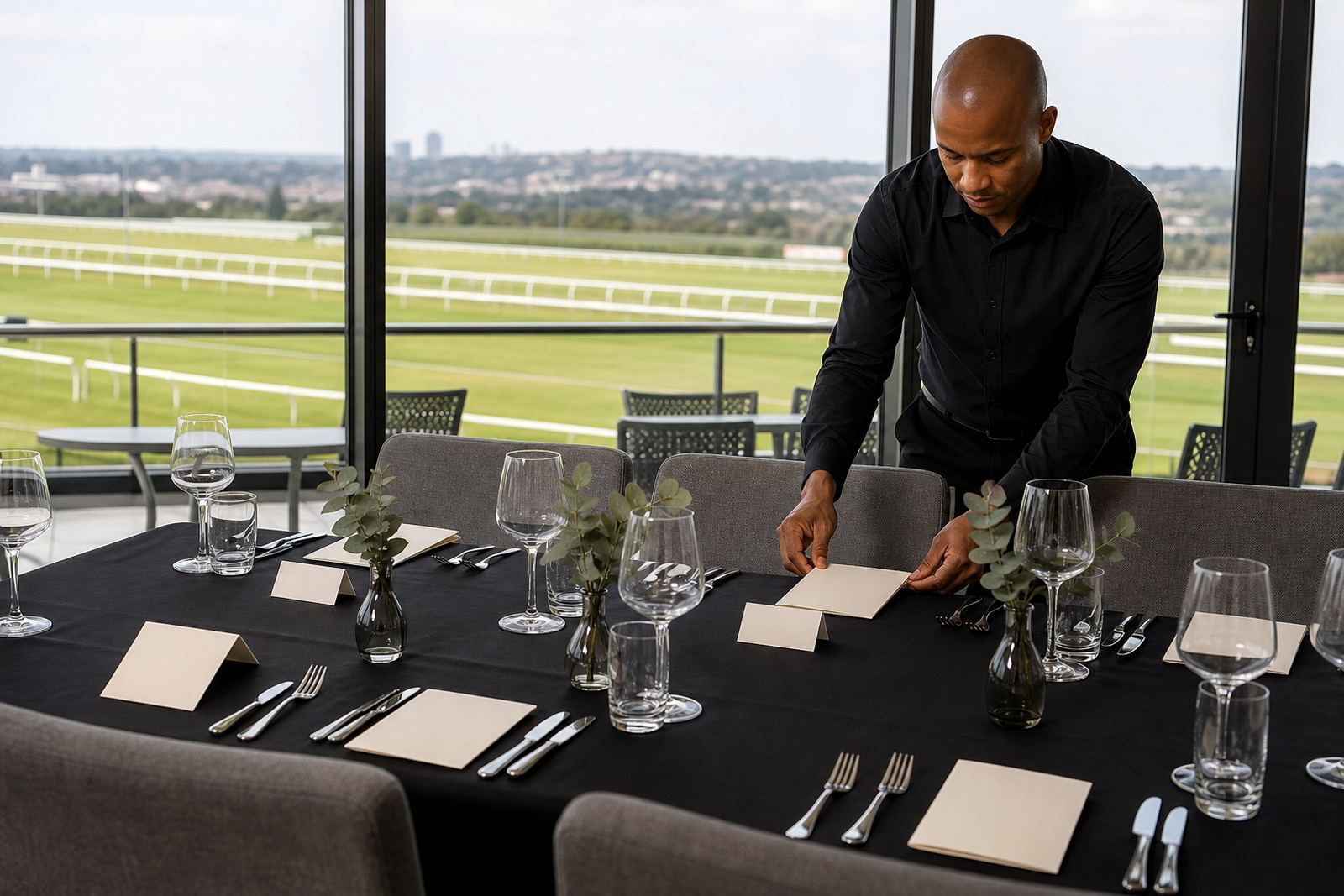
A polished hospitality day is built on small details. Guests should know where to check in, where the main seating is, and who to ask if they need help. Menus should be easy to manage, service should not interrupt the viewing too often, and the group should have enough space to talk between races. In practical terms, the day should feel calm from the first arrival to the last race.
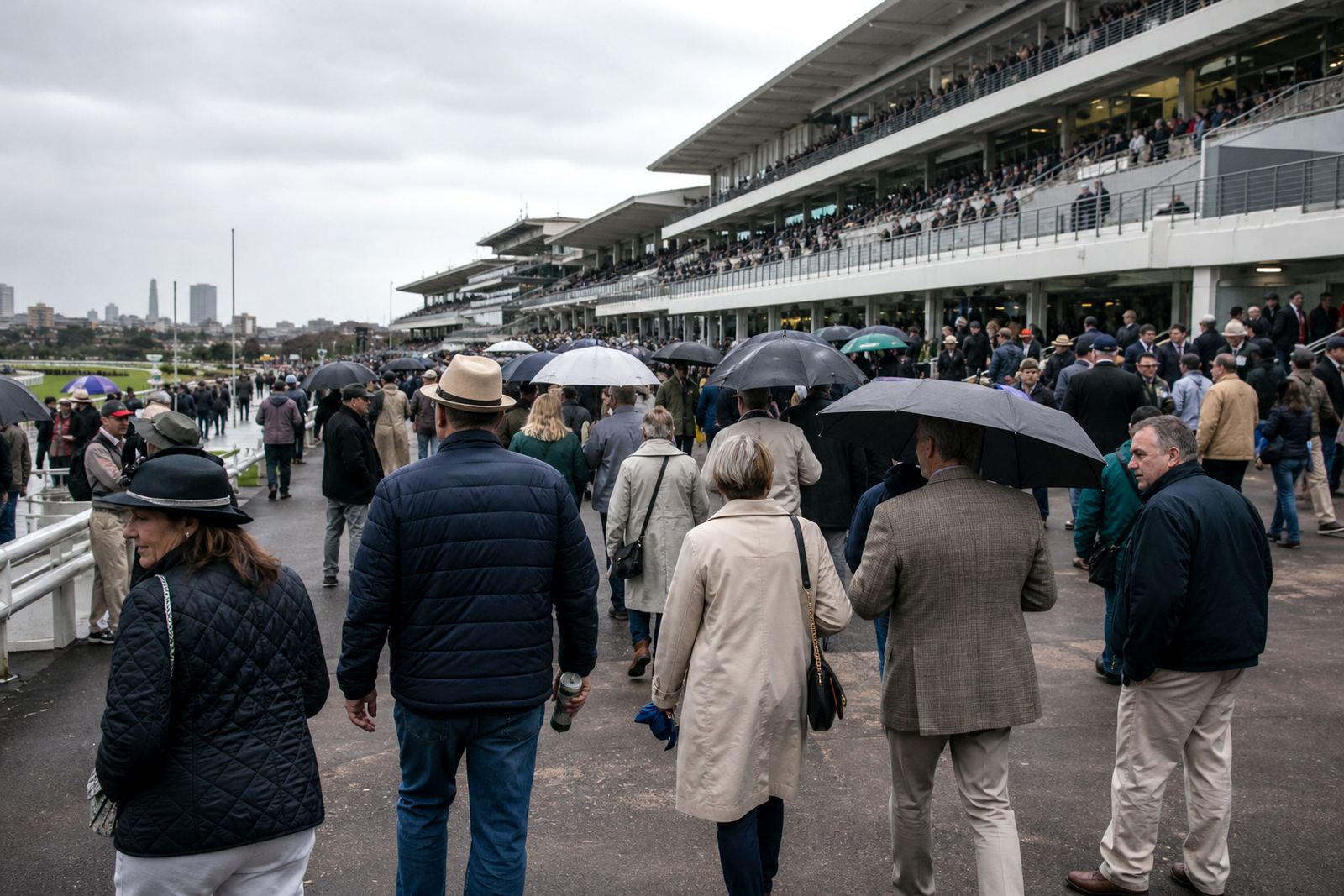
In South African race-day hospitality, weather planning is especially important. Johannesburg can bring strong afternoon sun, while coastal venues may deal with wind or damp conditions. Shade, water, and a sensible seating plan help guests stay comfortable. If your group is attending in summer, make sure jackets, hats and printed racecards are still manageable. If the meeting runs into the evening, lighting and transport plans matter too.
- Confirm arrival time, dress guidance and entry instructions in advance
- Keep a simple run sheet for meals, race times and client movement
- Assign one main contact person for questions on the day
- Plan transport or safe pickup points before the final race
Simple etiquette that keeps the day smooth
Good race-day etiquette helps the whole group enjoy the outing. Clients should be welcomed properly, introduced to one another where needed, and given a short explanation of how the day will work. It also helps to remind guests to keep to the viewing areas, avoid blocking walkways and respect staff, the horses and other racegoers. Those small courtesies matter at busy meetings.
For hosts, the aim is to guide without overtalking. Some clients want a full explanation of the racecard, others just want a brief shortlist and time to enjoy the occasion. A balanced host knows when to explain and when to step back. That is often what makes the day feel professional rather than forced.
Racecourse etiquette also includes practical dress and conduct. Neat clothing is usually appropriate, footwear should suit stairs and paved areas, and phones should be used considerately when others are following the race. If the group plans to place bets, keep it orderly and avoid turning the afternoon into a loud betting frenzy. Responsible betting means keeping control, setting limits and treating the day as entertainment, not income.
A Johannesburg example that shows the value
Picture a Wednesday client outing from Rosebank to Turffontein. A group of six leaves after an early meeting, checks in without fuss, and gets a short race brief before the first. The hospitality area is close enough to the action for guests to follow the day, but quiet enough for conversation. One guest is a regular punter, two are newcomers, and the rest just want a refined afternoon away from the office.
Instead of overloading them with jargon, the host uses a simple shortlist, explains which races look competitive, and points out how the going may affect late closers. Between races the group talks business, enjoys the setting and never feels rushed. That is what a good client day should do: it should support relationships without becoming a distraction. When the final race is over, guests leave with a clear impression that the day was organised with care.
That same approach can be adapted for Greyville, Kenilworth, Scottsville or Fairview, depending on where your clients are based and how far they are travelling. For firms in Sandton, Midrand, Randburg, Bedfordview, Pretoria, Centurion or Kempton Park, the planning is similar. Keep it structured, keep it practical, and let the racing add energy to the day.
Planning support from the enquiry stage onward
Good hosting starts before race day. When clients reach out through the enquiry form on our contact page, we can help shape the day around the meeting type, the number of guests and the level of racing knowledge in the group. Some hosts need a racecard shortlist and briefing notes, while others want a fuller hospitality plan with race-day coordination and meeting recap notes afterwards.
Based in Rosebank, Johannesburg, Racing House is led by Mfundo Ngqula with a team focused on racing support and client service. Mfundo Ngqula leads the business, with support from Mamello Mabandla, Gert Vosloo, Zainab Arendse, Nyiko Mnguni, Kubashni Gounden and Ruan Steenkamp. From Daily Tip Notes to Feature Meeting Tips, Novice Punters Help and Racecourse Preview Calls, the aim is to make the day easier to manage and more enjoyable for adults 18+.
Whether the focus is a single premium hospitality outing or a series of race days across the calendar, the best results come from clear planning, sensible form guidance and a calm guest experience. That gives clients a clearer day, steadier decisions and a better run from arrival to the last race.