
Start With the Race Programme, Not the Menu
Trackside dining works best when you plan around the official race programme before you even choose a table. If there are early races, take an earlier sitting so you are settled before the first jump or gate load. If the card has a feature race later in the afternoon, a later lunch slot can suit better because it gives you time to read the form, check the going, and watch the parade ring without rushing.
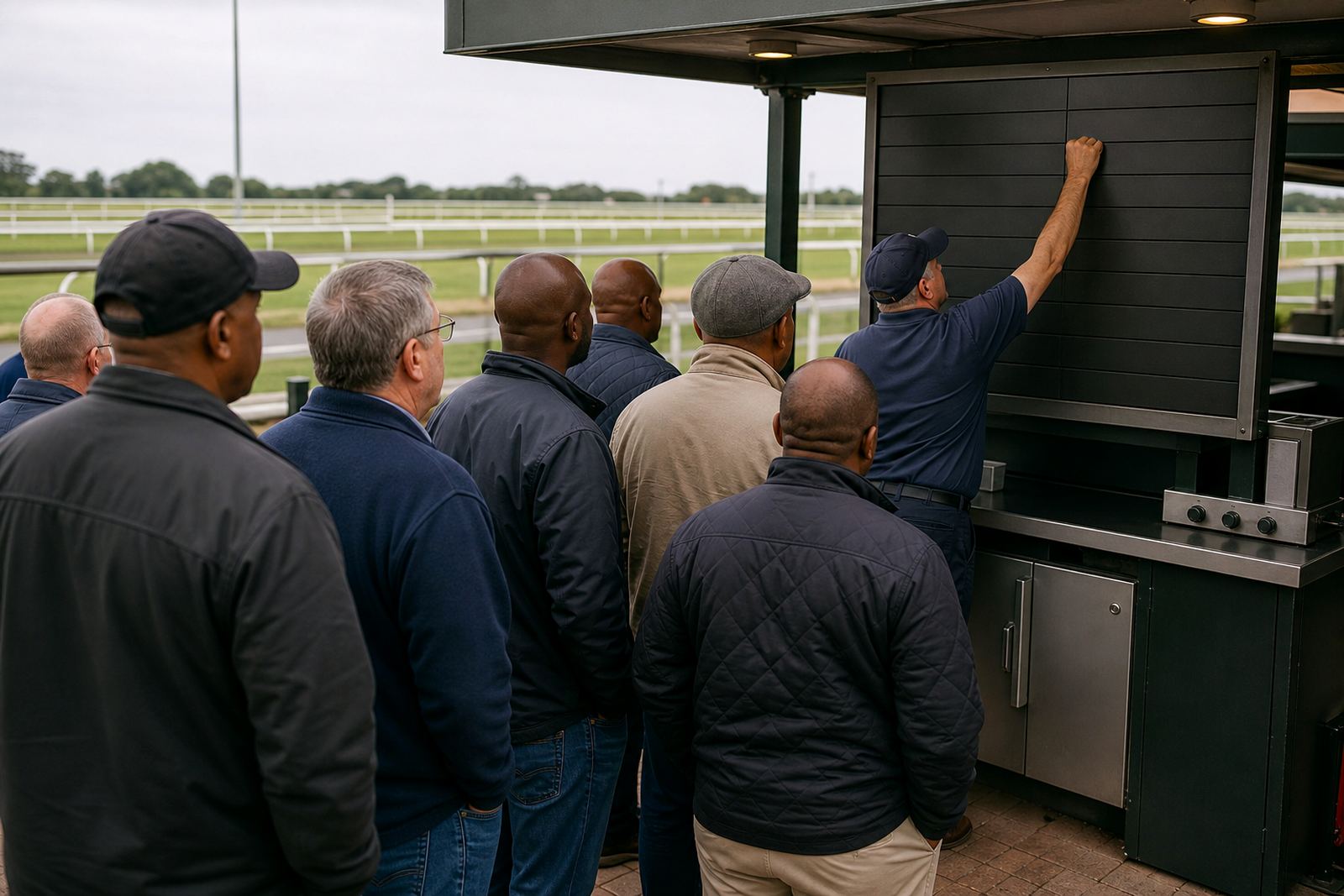
At venues such as Turffontein or Greyville, the gaps between races can feel shorter than expected once the crowd arrives. A practical rule is to allow enough time for ordering, service, a quick look at the betting board, and a walk back to your seat before the off. If you are booking hospitality, ask how long a standard table service takes on busy race days, especially on Saturdays and public holidays.
- Check the first race time and work backwards from there.
- Leave 20 to 30 minutes buffer before your preferred race.
- Choose lighter meals if you plan to move between the bar, parade ring and grandstand.
- For novice punters, keep the schedule simple: eat, study the form, then bet if you choose to.
Choose Seating That Matches How You Follow the Races
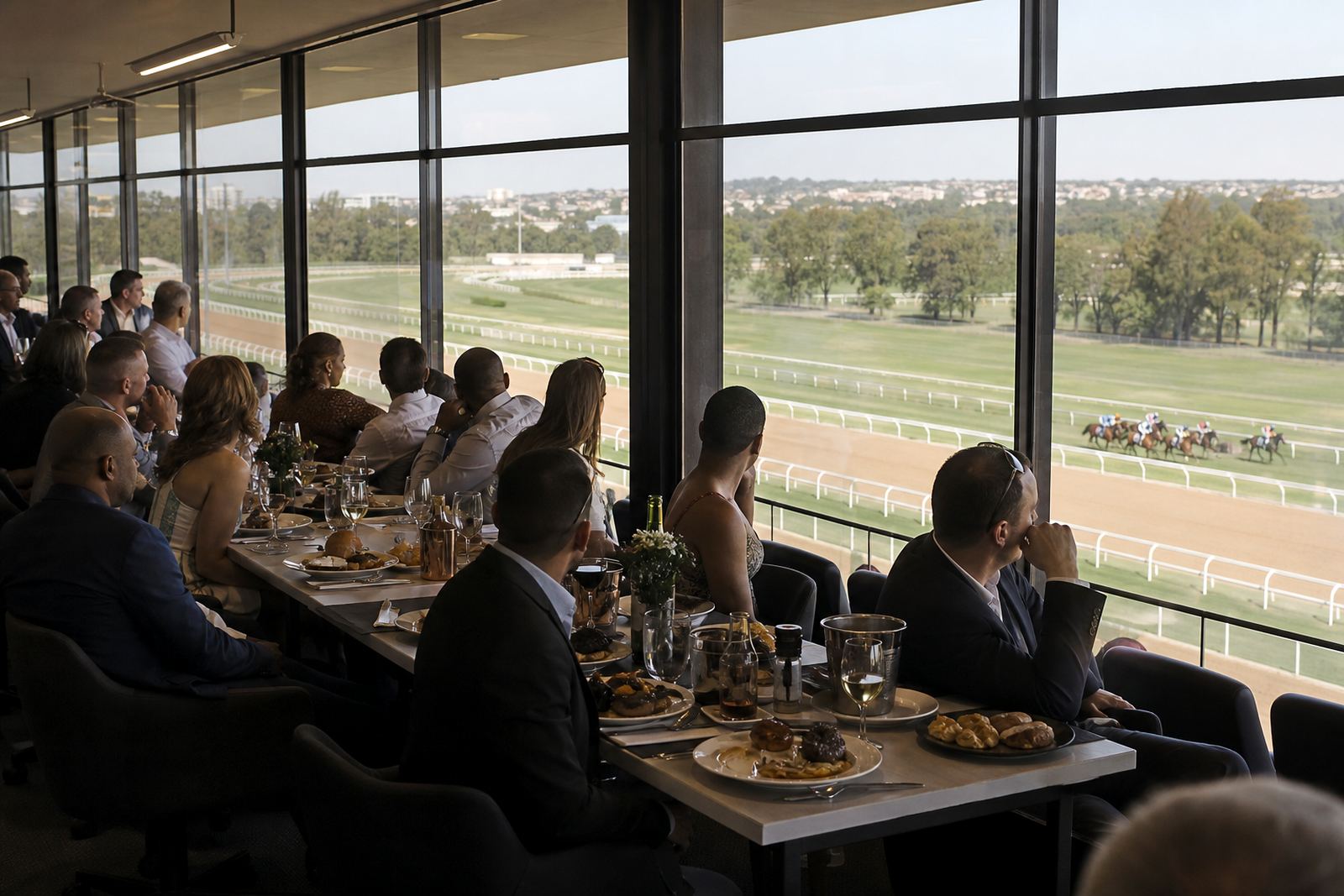
Not every seat suits every punter. If you like to follow the runners closely, a position with a clear view of the final straight can help. If you prefer a quieter meal and only want to focus on selected races, a table a little further back may suit better. The key is to match the seat to the way you watch the action.
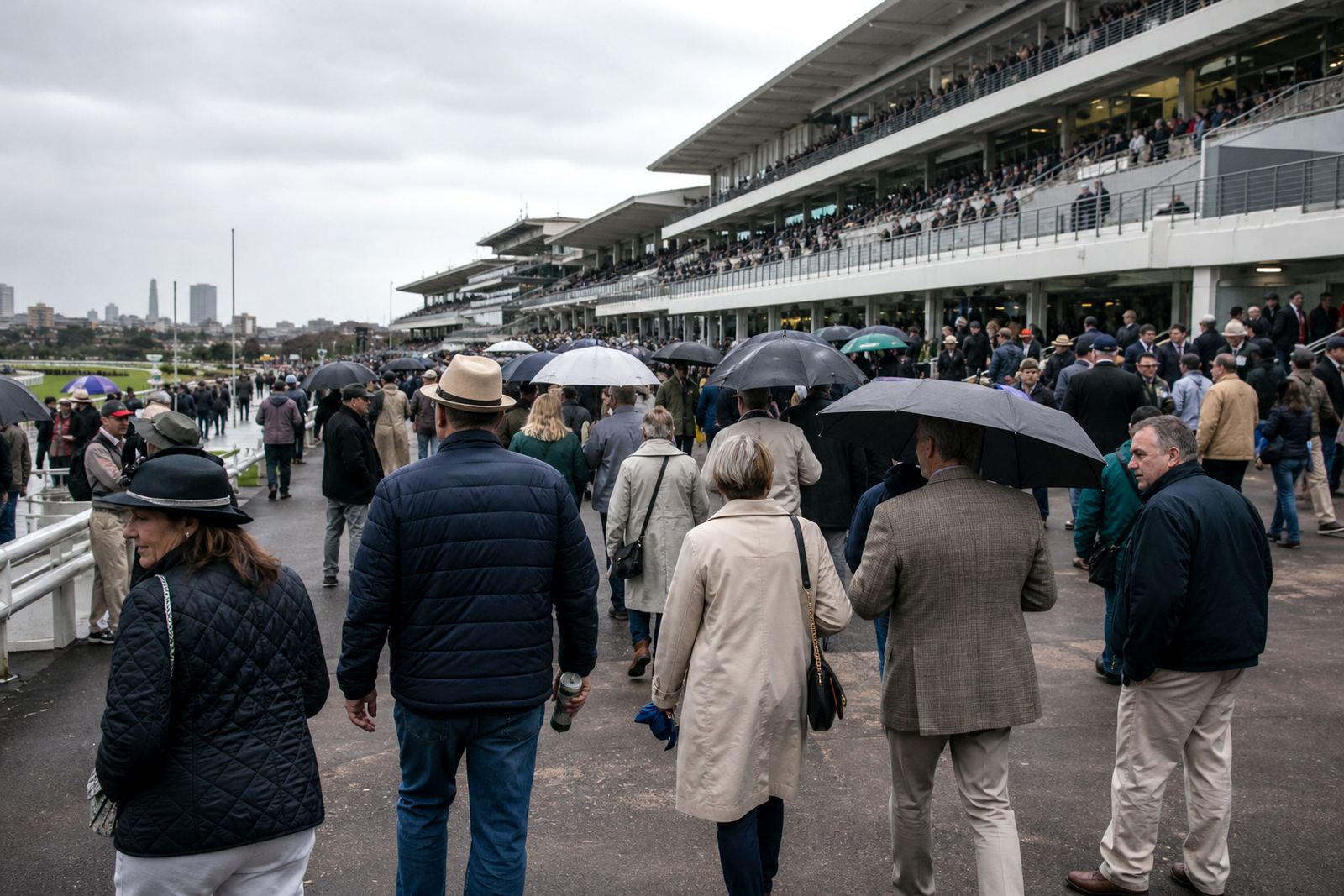
At racecourses in Johannesburg and beyond, seating near the main viewing areas can be lively, and that is useful if you like the atmosphere. But it also means you may miss the start if you are too far from your table. For trackside dining, ask whether the seating gives you a direct line to the screen and easy access to the course. In wet weather or strong coastal wind at places like Greyville, covered seating becomes more important than a perfect view.
- Ask whether the table is close to screens showing the races live.
- Find out if you can hear race calls clearly from your seat.
- Choose covered seating if rain, sun or sea air may affect comfort.
- If you are with a group, confirm whether the table is stable and easy to leave quickly between races.
Keep Meals Light Enough for a Race Day Pace
Trackside dining is not the day for an overlong three-course meal unless the card is quiet and you are staying for the afternoon. A lighter menu keeps you alert and makes it easier to move between the table, the tote area and the viewing rail. Heavy meals can leave you too settled just when you should be checking a late scratching or track condition update.
Think in terms of practical eating, not fine dining timing. A starter, main and dessert may work for a feature meeting with longer breaks between races, but a quicker lunch often suits a full programme. On hot Gauteng afternoons, especially around Rosebank clients travelling through Sandton or Midrand, lighter food and more water is usually the safer choice. It helps you stay focused and avoids that post-meal slump.
- Choose food that is easy to finish within the race gaps.
- Keep water on the table, especially in summer.
- Avoid meals that need constant cutting or slow serving.
- Ask about service timing before the first race if you are eating during the opening card.
Build Your Meal Around the Form, Track and Pace
Food is part of the day, but your best decisions still come from the race information in front of you. Use the time before dining to read the form guide, compare recent runs, and check whether the track looks suited to front-runners or closers. Pace map notes are useful here because they show whether a race may be run fast from the start or settle into a tactical gallop.
If you are dining with friends, split the work. One person can keep an eye on scratches and track changes while another checks the racecard shortlist. That way the meal does not take over the whole afternoon. In Johannesburg, where a meeting at Turffontein can be followed by a quick recap call back to clients in Randburg or Centurion, it helps to keep your notes simple and ready to use.
- Read recent form first, then look at the likely pace.
- Check whether the track is favouring rail movements or wider runs.
- Note the horse’s preferred trip and whether the distance suits.
- If betting, remember to set a limit and only wager what you can afford to lose.
Race-Day Etiquette at the Table and the Rail
Good trackside dining is also about manners. Keep your seat changes brief, return borrowed chairs promptly, and avoid blocking the view of people behind you when the horses are loading. At busy meetings, particularly feature days, a bit of courtesy goes a long way. Staff are moving quickly between tables and the betting areas, so clear requests are easier for everyone.
If you are stepping out to watch a race, try to do so before the final minute. Leave your table tidy, keep phones on silent during the running of a race, and do not stand in the walkway while the field is in motion. For groups, nominate one person to keep the table info together, such as meal orders, the next race time and any form notes. It saves confusion and avoids delays.
- Be seated again before the runners approach the start.
- Do not save seats in ways that block service or movement.
- Keep voice levels down during the race call.
- Respect other patrons, especially near the finishing straight.
A Johannesburg Example: Turffontein With a Family Lunch Plan
Picture a Saturday at Turffontein for a Johannesburg client from Bedfordview or Pretoria. The card starts early, so the smart move is to book an earlier dining slot, arrive with enough time to read the form and have a quick look at the track. If the weather is warm, choose a covered table with easy access to the viewing area and screens. That way you can eat without missing the buildup to the feature races.
A practical sequence might be this: arrive, settle in, study the racecard shortlist, enjoy lunch before the second or third race, then use the quieter periods to review pace map notes and track condition updates. If the meeting is a midweek one, you may have more breathing room. On a packed Saturday, however, every minute counts. That is why Racing House keeps the focus on timing, seat choice and race awareness rather than trying to squeeze everything into one long sitting.
For adults 18+ who want betting guidance, form reading support and hospitality planning, the point is to keep the day organised. Responsible betting matters: if you choose to wager, set a clear limit, avoid chasing losses, and treat betting as entertainment rather than income.
When to Reserve and Which Trackside Dining Extras to Request
Early booking gives you more control over where you sit and when you eat. That matters on major meetings when the best tables go first. If you are coming from Rosebank, Sandton, Midrand, Randburg, Centurion or Kempton Park, a confirmed plan saves you from arriving hungry and trying to fit a meal around the last-minute rush. It also helps the hospitality team match your timing to the race programme.
When making an enquiry through the contact page, ask about service times, the view from your seating area, and whether the package suits a full afternoon or just selected races. If you want a brief on the meeting, ask for form reading support, track condition notes or a hospitality tip brief before the first race. That way your meal, your seat and your betting plan all work together instead of competing for attention.
- Ask how early you should arrive for your sitting.
- Confirm whether your seat has a direct view of the track or screen.
- Check if the package allows time for parade ring viewing.
- Request meeting notes if you want help planning your race day.