
Dress for the track, not for the beach
Racecourses in South Africa are social places, but they are still organised sporting venues. Smart-casual clothing is usually the safest choice for most meetings, especially at the bigger feature days. In Johannesburg, where mornings can be chilly and afternoons warm, a light jacket or blazer can help. At coastal tracks such as Greyville, Kenilworth and Fairview, expect wind, sun and the odd sea breeze, so neat layers work well.
Comfort matters too. You may walk from parking areas, stand in queues and move between the betting ring, lawn and hospitality area. Shoes should be practical. If you are attending a formal hospitality package, check the dress guidance in advance so you are not caught out on the day.
- Choose clean, tidy clothing with closed shoes if you plan to walk a lot
- Bring a hat, sunscreen and a light rain layer for changeable weather
- Keep outfits neat and respectful, especially for family areas and private boxes
- Avoid clothing that blocks sightlines or makes moving through crowds difficult
Arrive early enough to settle in properly
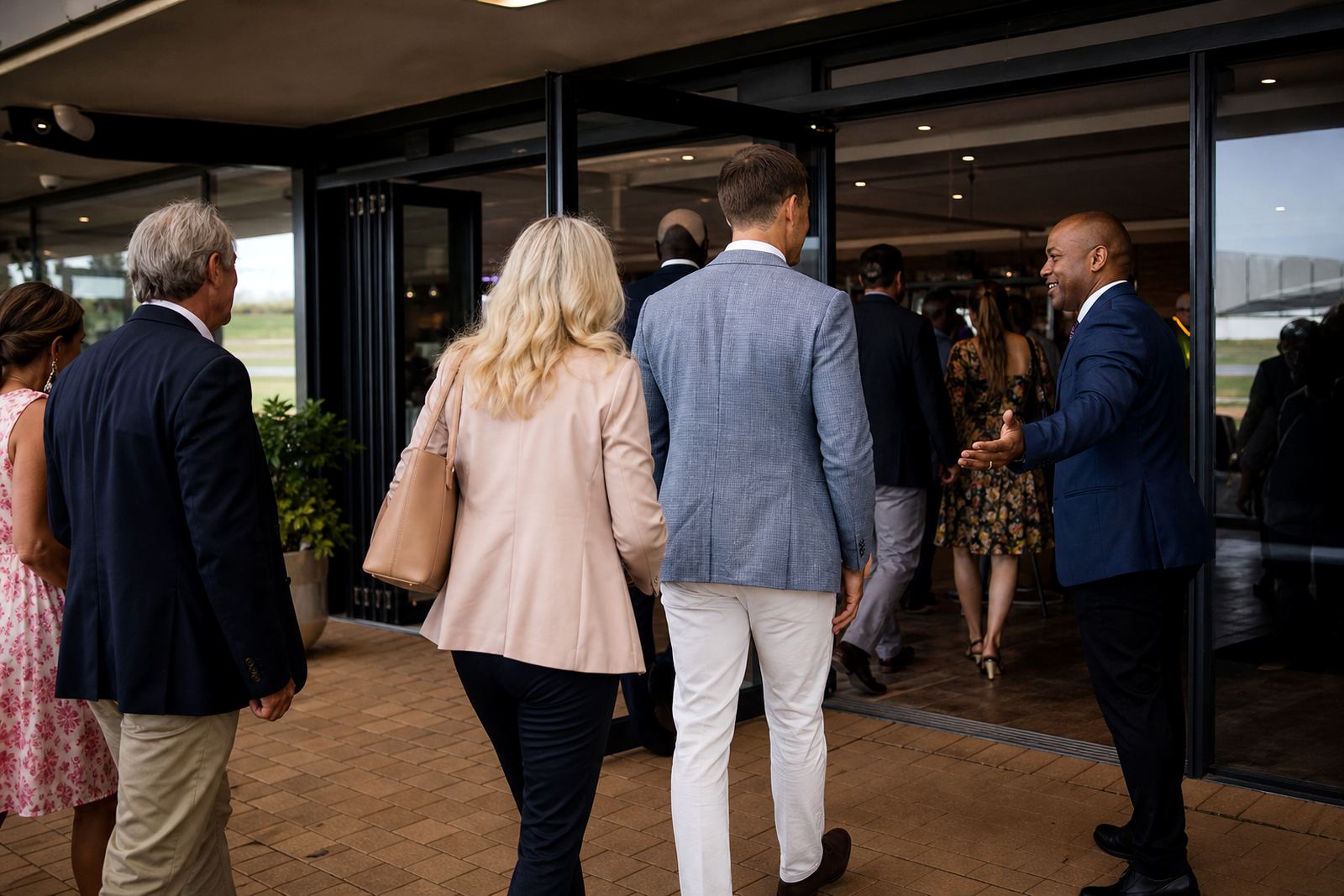
Racing days move quickly once the runners start heading out. Arriving early gives you time to collect tickets, find your seat, study the racecard and get your bearings. It also means you are less likely to rush through queues or miss the first race while still looking for the parade ring.
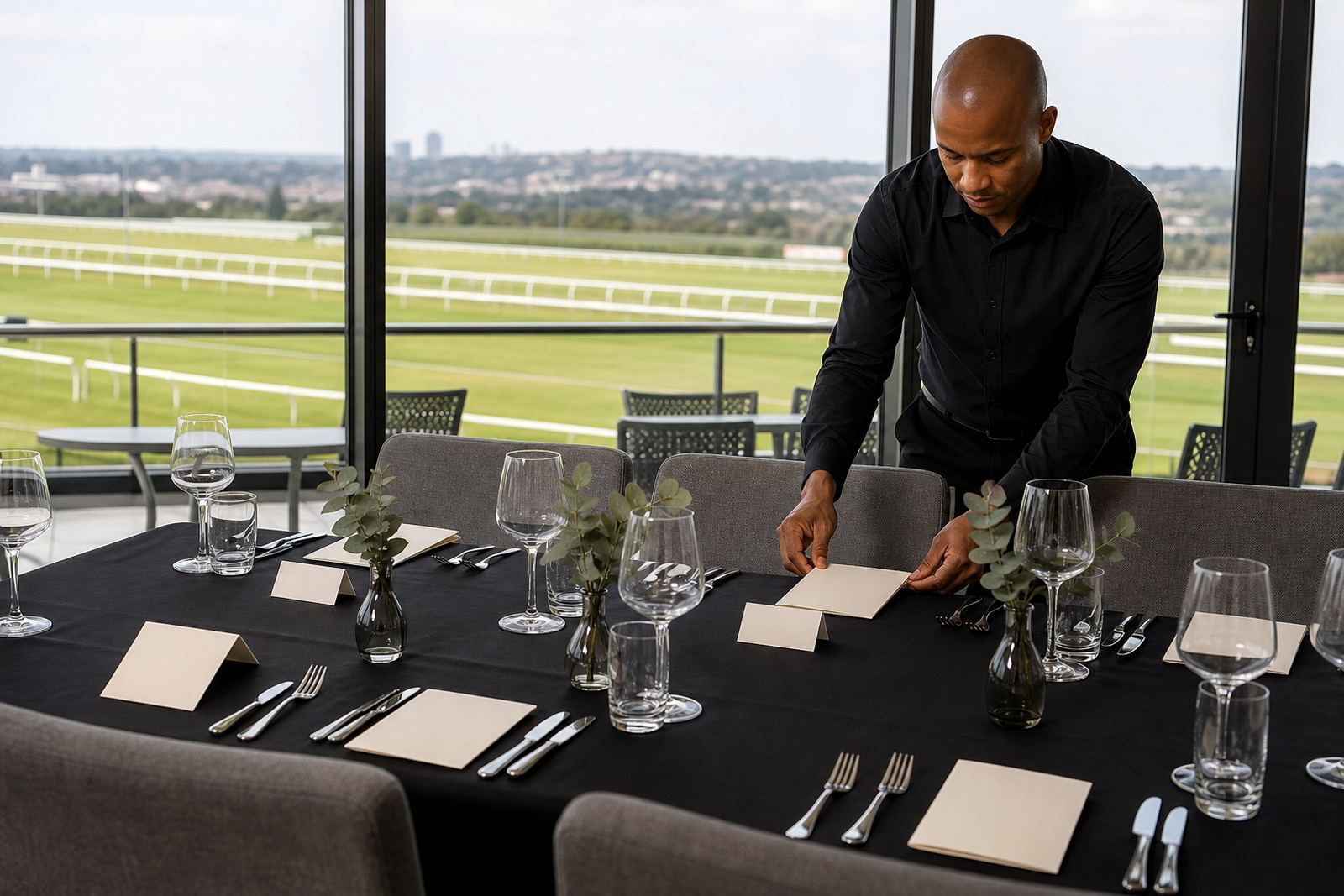
If you are using one of Racing House's hospitality packages, early arrival is even more useful. You can meet your host, check the timing of your meal service and learn where the viewing points, restrooms and betting areas are. At busy courses like Turffontein, Greyville and Kenilworth, a calm start makes a big difference.
- Plan for traffic around racecourses, especially on feature days and pay weekends
- Allow time for parking, security checks and walking from the entrance
- Read the race times in advance so you do not miss a field
- If you are new to racing, arrive early enough to watch the horses in the parade ring
How to read the room at the betting windows
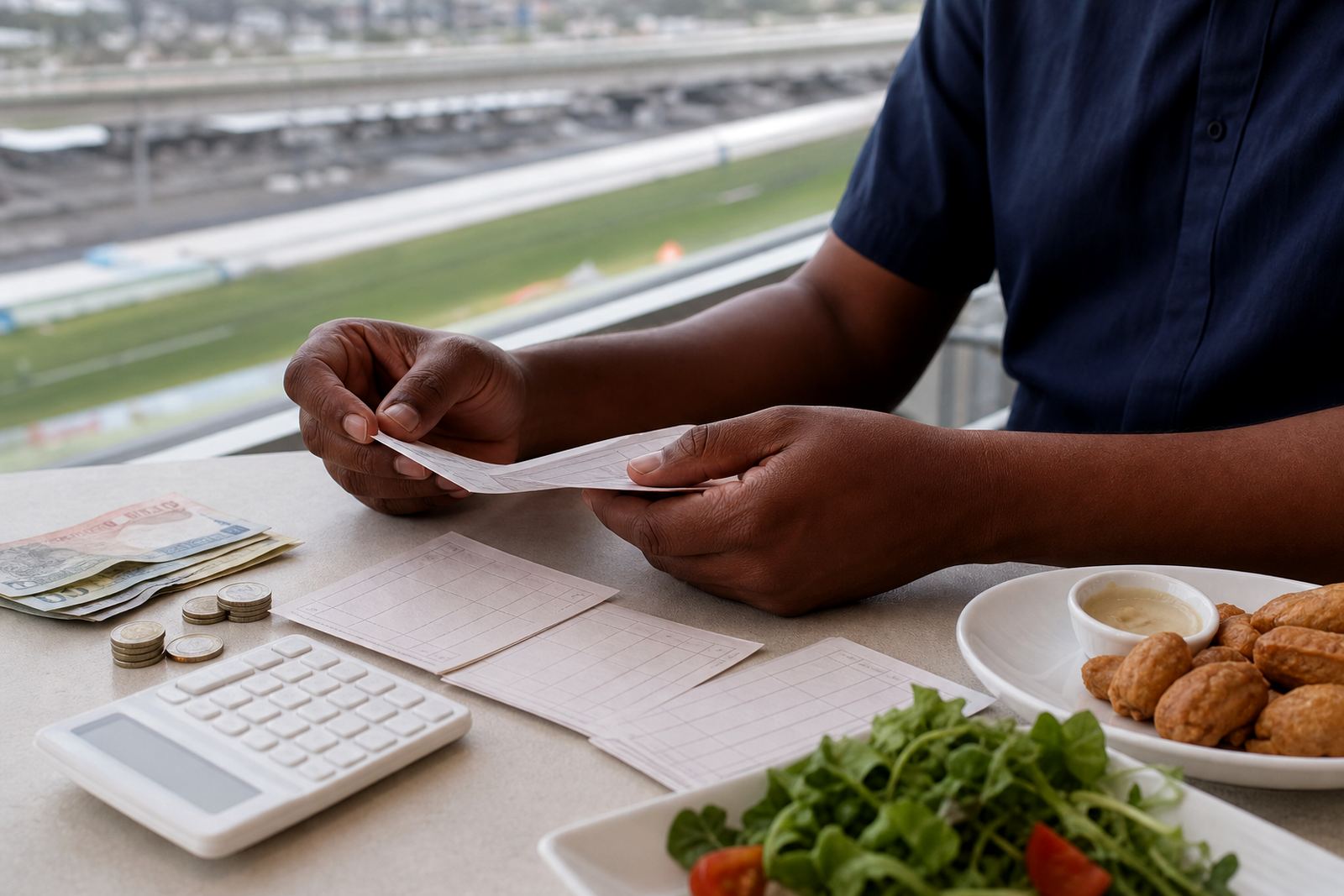
Queues at the tote, cashier points and information counters need patience. Stand your turn, keep your slip ready and know what you want before you get to the front. That helps everyone move through faster and keeps the mood civil. If you are unsure how to complete a bet, ask politely and step aside if you need extra time.
Form reading and betting should always be done with a clear head. Study the racecard, check the track condition notes and note whether a horse has been running over the right distance. For newcomers, the simplest approach is to start with the basics: recent form, likely pace and draw position where relevant. Betting should stay within a set limit and you should only wager what you can afford to lose. If the day stops being fun, step back and take a break.
- Have cash or payment ready before you join the queue
- Double-check your selections before handing over a slip
- Keep conversations brief if the line is moving slowly
- Never pressure staff or other punters when a race is close to jumping
Respect the parade ring, the rails and the race itself
The parade ring is there so punters can see the horses up close before the race. Keep back from barriers, do not shout at handlers and never touch a horse unless you are invited to do so by the right people. The same applies near the rails and mounting yard. Quiet observation helps trainers, jockeys and officials do their jobs.
During the race, avoid blocking the view of others. If you are standing on the rail, stay still once the field jumps. Cheering is part of the atmosphere, but excessive shouting close to the horses or other guests is poor form. At venues from Scottsville to Fairview, race-day manners still matter whether you are in general admission or a premium suite.
- Keep children close and explain the rules before moving through crowded areas
- Do not lean over fences or step into restricted spaces
- Give riders and handlers room when horses are walking to the start
- Applaud good runs and accept the result with grace, win or lose
Hospitality areas need the same respect as the course
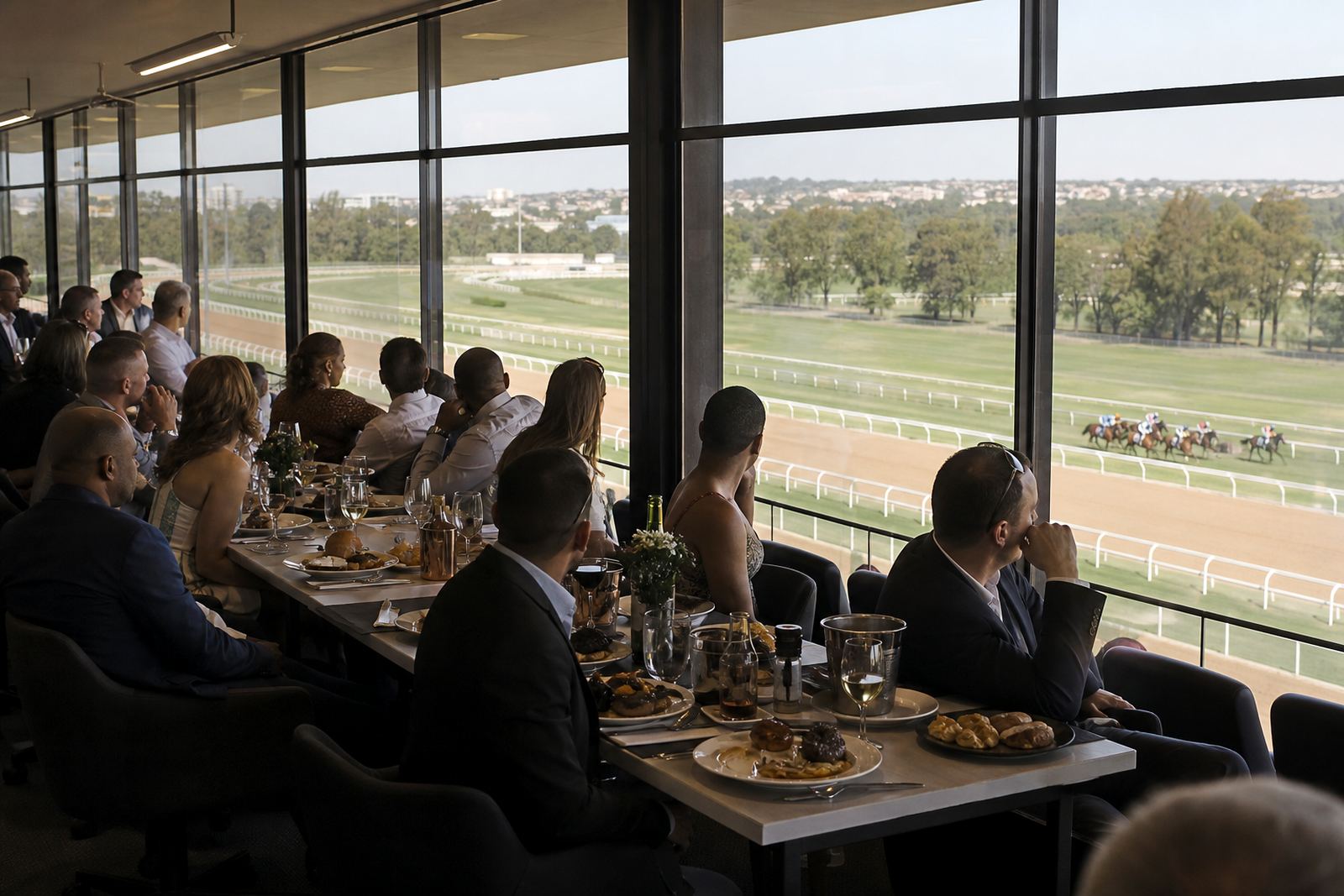
Hospitality packages work best when guests treat the space with care. If food is being served, stay aware of queue order and do not take more than your share before others have had a chance. Keep noise at a level that suits the group and clear away your own cups, serviettes and plates when asked. Small courtesies make the day easier for the whole table.
At a race day lunch or private viewing area, punctuality matters because service is timed around the meeting. If you are late, you may miss the welcome briefing or the first race. Johannesburg guests from Rosebank, Sandton, Midrand and nearby areas often travel together for these outings, so a simple plan for transport and arrival times can save a lot of stress.
- Follow the host's instructions on seating, service times and movement between areas
- Keep walkways clear for staff, guests and anyone carrying trays
- Be considerate with alcohol and know when to slow down
- Dispose of litter properly and leave the area tidy when you depart
A local example of good race day manners
Picture a Saturday at Turffontein. A group from Pretoria arrives before the feature race, dressed neatly and carrying their racecards. They check the track condition notes, watch the parade ring from a respectful distance and queue patiently at the windows. When the race starts, they keep clear of the viewing rail, enjoy the running and discuss the form afterwards without disturbing other guests. That kind of behaviour makes the day enjoyable for everyone.
Good etiquette is not about being stiff. It is about knowing how to move through the day with respect for the sport, the staff and the other people around you. Whether you are at a Gauteng meeting or travelling to a coastal course, the same basics apply: arrive prepared, stay courteous and enjoy the racing for what it is.
If you are using a tip sheet or meeting preview, treat it as guidance rather than a guarantee. Responsible betting means staying in control, setting limits and keeping the day in its proper place.