
Why distance matters before you look at the rest of the form
When you study a racecard, the distance is not just a number. It tells you what kind of test the horse is facing, how much pace is likely in the race, and what sort of finishing effort will be needed late on. A horse that looks sharp over 1,000m may not get home over 1,800m, while a grinder that stays strongly over 2,400m can look flat in a quick sprint.
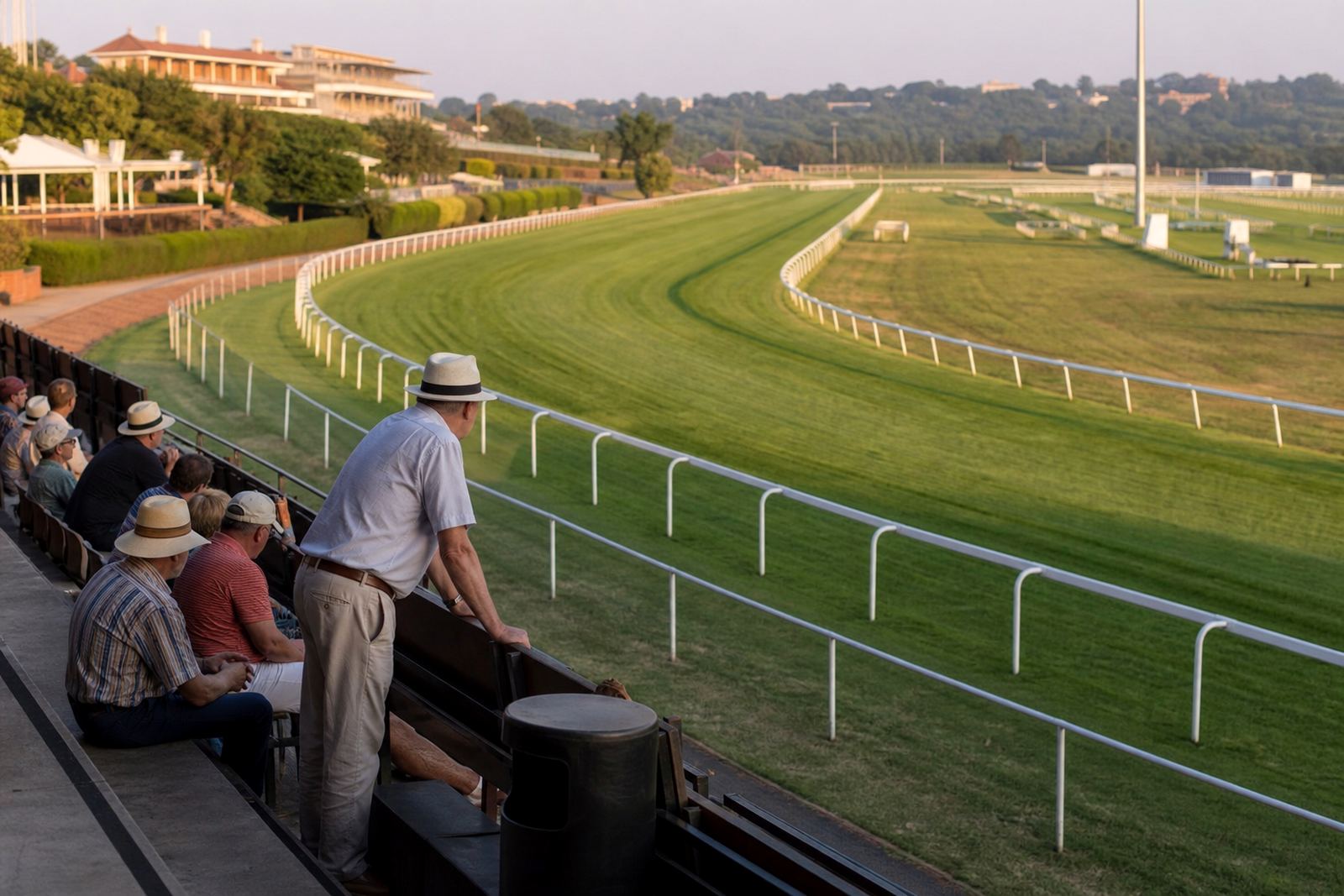
At South African racecourses, the shape of the track also matters. Turffontein can ask different questions depending on the course and distance, while Greyville and Kenilworth can place a premium on balance and timing. The same horse may handle one trip better on a tight circuit and another on a more open track. That is why distance should be read with the venue, the draw and the pace setup, not in isolation.
Sprint trips reward speed, position and a clean break
Sprints, often 1,000m to 1,200m, usually suit horses with natural speed and a good jump from the gates. In these races, the start matters more than many newcomers expect. If a runner misses the break, it may spend too much energy trying to recover position and that can leave it vulnerable late.
When reading sprint form, look for these clues:
- Recent runs where the horse showed early pace and held its place well
- Strong performances from a favourable draw, especially at tighter tracks
- Evidence that the horse finishes off even when pressed early
- Any sign that the horse was crowded or slow away, which can mask true ability
In sprints, a horse that looks ordinary on paper can improve sharply if the pace suits and the gate is kinder. The reverse is also true, so do not overrate one flashy late run if the race was set up perfectly for closers.
Middle distances expose whether a horse settles or fights the rider
Middle-distance races, usually around 1,400m to 1,800m, are where many punters get caught out. These trips ask a horse to travel efficiently, relax in the early stages and still produce a finishing effort. A runner that pulls too hard can waste energy before the real race begins. A horse that is too keen may look full of running at the 600m mark and then empty out badly.
Form reading at these trips should focus on how the horse has been finishing its races. Was it gaining late, steady all the way, or weakening from the 200m? Watch for whether the horse has a history of peaking around one distance and losing sharpness when stretched beyond it. Some horses improve when they get more ground, but others are simply more effective when kept to a trip that lets them travel comfortably.
For a useful race-day check, think about the following:
- Has the horse run well at the same distance before, or close to it
- Did the horse settle well in recent starts, or did it race too freely
- Was the finish strong enough to suggest the trip was within range
- Is the current field likely to run at a more honest or slower pace
Staying tests are about rhythm, patience and proven stamina
Staying races over 2,000m and beyond are a different kind of puzzle. These are not just tests of fitness, they are tests of rhythm and staying power. In longer races, a horse that can settle, conserve energy and still quicken late often has an edge over a flashier rival that travels too freely early.
When you assess staying form, look beyond the finishing position. A horse may have weakened late in a strong-run race yet still have shown enough staying ability for the next step up. Another may have won over a shorter trip but never truly looked settled enough to get home over longer ground. The key is to ask whether the horse has been doing its best work late, even when not winning.
Track condition matters more here than many punters realise. A soft or rain-affected surface can turn a staying race into a slog, while firm ground may help a horse carry speed for longer. In Gauteng, a warm afternoon at Turffontein can place a different stamina demand than an evening meeting in coastal conditions. The horse that stays best is not always the horse with the prettiest figure next to its name.
How local race conditions change the distance question
Distance does not live on its own. It interacts with course layout, weather, the going and the likely pace. At Greyville, some races can turn tactical very quickly, while at Kenilworth and Fairview the turn and wind exposure can influence how a race unfolds. In Johannesburg, altitude can also make the final part of the race feel more demanding, especially if the tempo is strong.
That is why the best punters read distance together with the rest of the racecard. A horse stepping up in trip may look the right type on breeding and past performances, but if it has been racing keenly or faces a faster tempo than usual, the extra metres could still test it. The form book gives you clues, not certainties.
- Check whether the horse has previously coped with similar conditions
- Match the trip to the horse’s running style, not only its recent finishing position
- Consider whether today’s race is likely to be run faster or slower than last time
A practical way to read a racecard before you bet
A simple method helps. First identify the distance range and whether the race is a sprint, middle-distance event or staying test. Then look at the horse’s recent runs and ask whether it has finished strongly, settled well and handled similar trips before. After that, bring in the draw, pace and track condition. This gives you a clearer picture than chasing one eye-catching run.
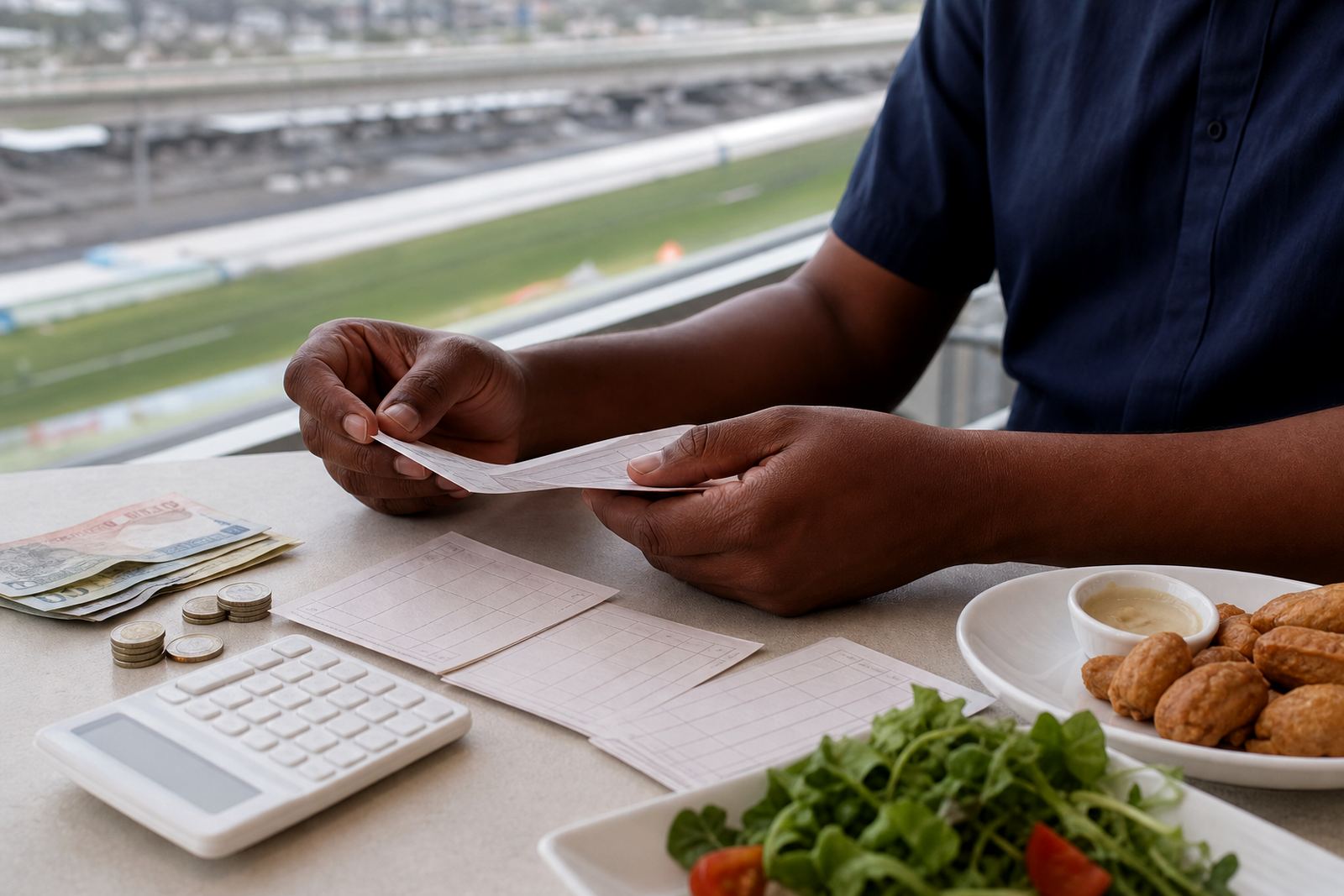
For novice punters, the best approach is often to keep notes on where each horse seems strongest. Over time, you will see patterns such as sprinters that are best when fresh, milers that need a stronger gallop, or stayers that improve as the race lengthens. That kind of record can be more useful than relying on memory alone.
Racing House offers form reading support, pace map notes, track condition notes and racecard shortlist help for adults 18+. Please bet responsibly, set a limit and never chase losses.
Race-day etiquette when discussing form and wagers
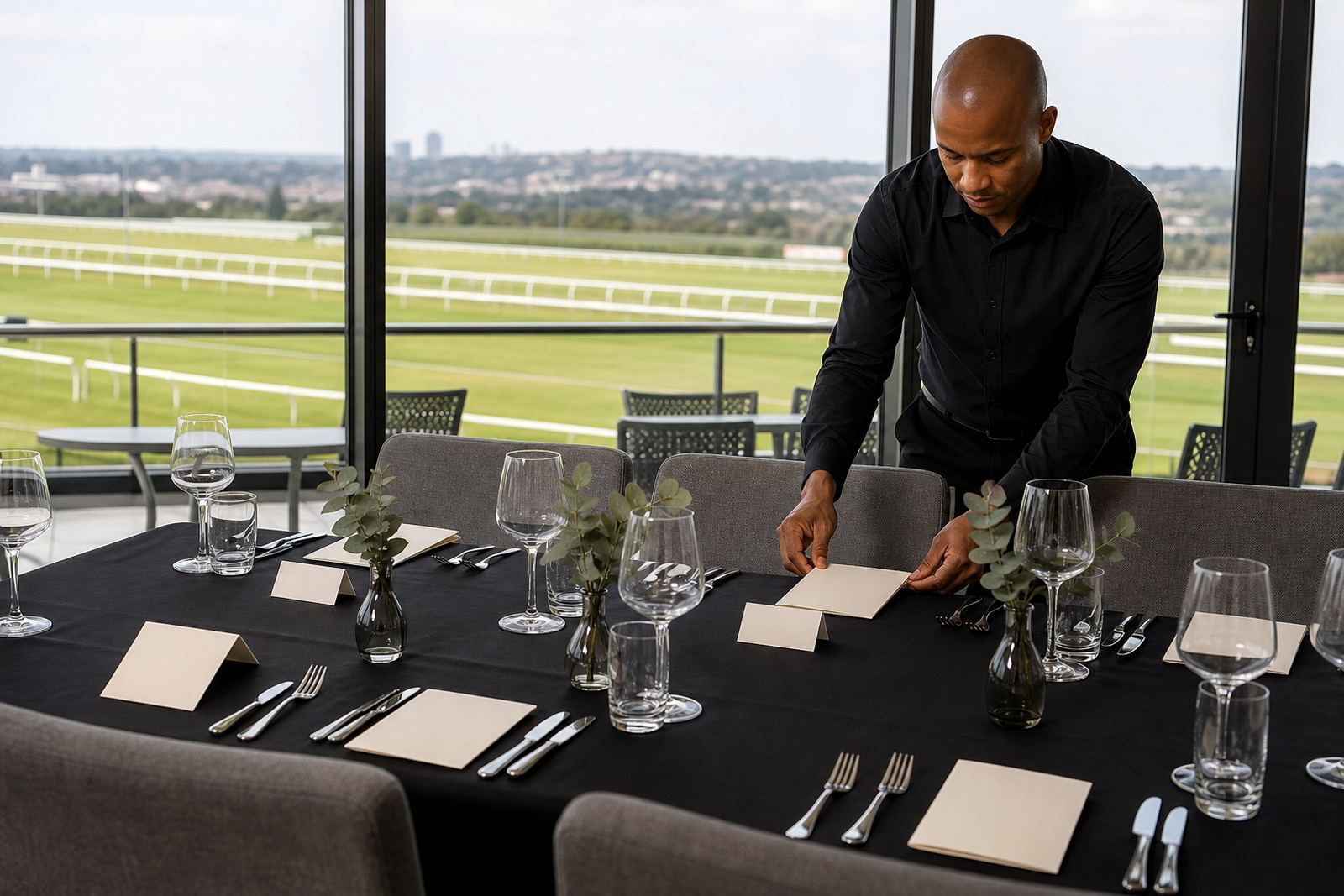
At the track, good etiquette makes the day better for everyone. Keep your conversations concise near the betting area, be mindful of queues and avoid crowding staff or other patrons while checking the form. If you are using hospitality packages, arrive in good time so you can settle in before the first race and hear the latest track updates.
Not every opinion needs to be shouted across the room. A calm, practical discussion about distance, pace and condition is far more useful than overconfidence. If you are unsure, ask questions and compare notes. That is part of the value of a proper race day experience.
- Be respectful in queues and give others space to follow the racecard
- Keep an eye on official race updates before the off
- Only spend what you can afford to lose