
What the draw actually tells you
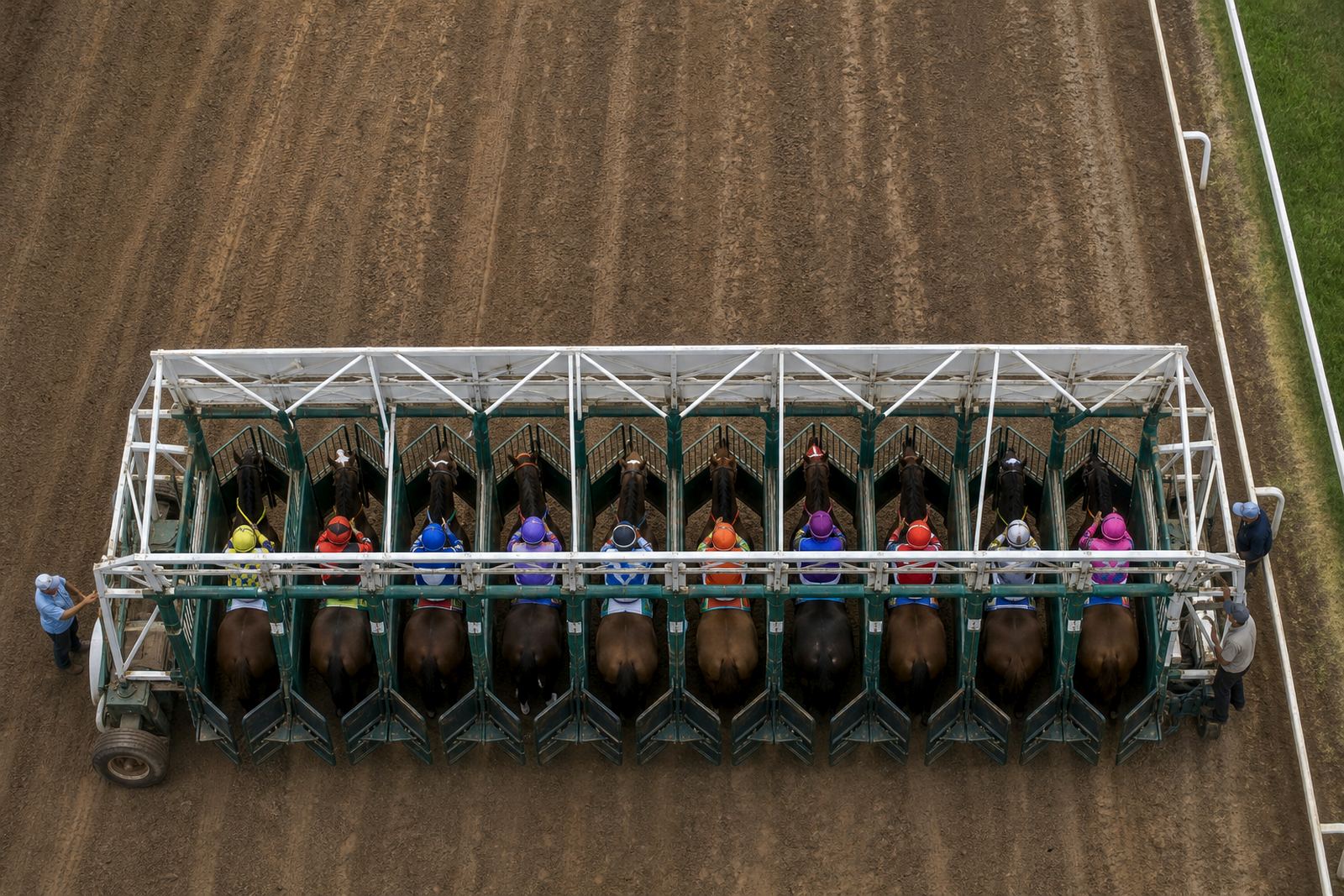
The draw is the starting stall or barrier a horse is placed in before the race. On some tracks it matters a great deal, while on others it plays a smaller part and the way the race is run can matter more. A good draw is not a guarantee and a wide draw is not an automatic loss, but it does shape the early plan.
At Racing House we treat the draw as one piece of the puzzle alongside recent form, distance, track condition and pace. If you are studying a racecard, start by asking whether the course has a short run to the first turn, a long straight, or a bend that may force horses to spend more energy early.
- Check whether the race is over sprints, middle distances or staying trips.
- Look for races with a sharp turn soon after the start.
- Compare the draw with the horse’s normal running style.
How course layout changes the picture
Different South African racecourses reward different kinds of position. A tight bend early can favour runners drawn close to the inside if they break well and secure position. On some tracks, a wide draw may ask a horse to use more energy to get across, especially in short races where every metre counts.
Courses with longer runs before the first bend may give more room for horses to settle and find a handy spot. That is why a draw should never be read alone. A horse drawn wide can still run well if the pace is honest and the rider finds cover. A horse drawn well can still be caught flat-footed if it misses the break.
- Turffontein can make early positioning important in some races because of how the race develops into the bend.
- Greyville and Kenilworth may reward tactical speed and clean starts, depending on distance and field size.
- Scottsville and Fairview can also favour horses that jump smartly and avoid traffic.
A simple step-by-step draw checklist
If you are new to form reading, use the draw as a practical checklist rather than a hard rule. Start with the basics, then build from there. This approach is especially useful on busy race days when several runners look closely matched on paper.
- Step 1: Note the barrier and field size.
- Step 2: Check the distance and whether the race starts near a bend.
- Step 3: Identify front-runners, stalkers and hold-up horses.
- Step 4: Read the track condition and ask whether it may help inside or outside lanes.
- Step 5: Compare the horse’s recent runs from similar draws or trip patterns.
- Step 6: Decide whether the horse is likely to lead, sit handy, or need cover.
If two horses look similar on form, the one with the cleaner tactical path may have the easier map. That does not mean it will win, only that its trip may be less complicated.
When the draw matters less than the pace
Some races are shaped more by pace than by barriers. If there is very little early speed, a horse drawn a little wider may cross without using much fuel. If the pace is strong, a horse drawn inside may be trapped in traffic or need luck getting out at the right time. That is why pace maps are so useful.
Watch for these signs when you are reading the racecard. A horse that likes to lead from the front may need an inside or handy draw to use its natural pattern. A horse that settles behind the speed may be fine from a middle draw if it can slot in behind the leaders. A backmarker often needs a fair tempo and a clear run late, not just a nice barrier.
- Short races usually reward a quick start and an efficient early position.
- Longer races may allow more time to recover from a poor draw.
- Strong pace can sometimes flatten the advantage of a good draw.
Track condition, weather and race-day changes
In South Africa, track condition can change quickly with rain, heat and wind. A wet surface, a drying track or a blustery day can alter where the better ground is by the later races. That is why the draw guide should be checked again on race day, not only the day before.
At coastal tracks such as Greyville, humidity and changing ground can affect how horses travel. At inland venues like Turffontein, heat and a firm surface can change the way early speed holds. Always update your view after scratchings, because a non-runner can change the pace map and shift the value of the draw.
- Look for updates to track condition and rail position.
- Check late scratchings, especially in small fields.
- Notice if earlier races suggest an inside or outside bias.
Race-day etiquette and betting sense
Good race-day manners matter as much as a good race read. Keep clear of restricted areas, listen to racecourse staff, and give yourself time to move between viewing spots without blocking others. If you are attending hospitality, arrive early, dress neatly for the venue and respect the pace of the day. A calm visit helps you focus on the races and the form.
If you are betting, set a limit before the first race and stick to it. Use the draw as a guide, not a promise. Responsible betting matters: only bet what you can afford to lose, and take a break if the day stops feeling enjoyable. Racing House supports adults 18+ with practical race-day information and form support, not guarantees.
- Review the racecard before the race, not in a rush at the tote.
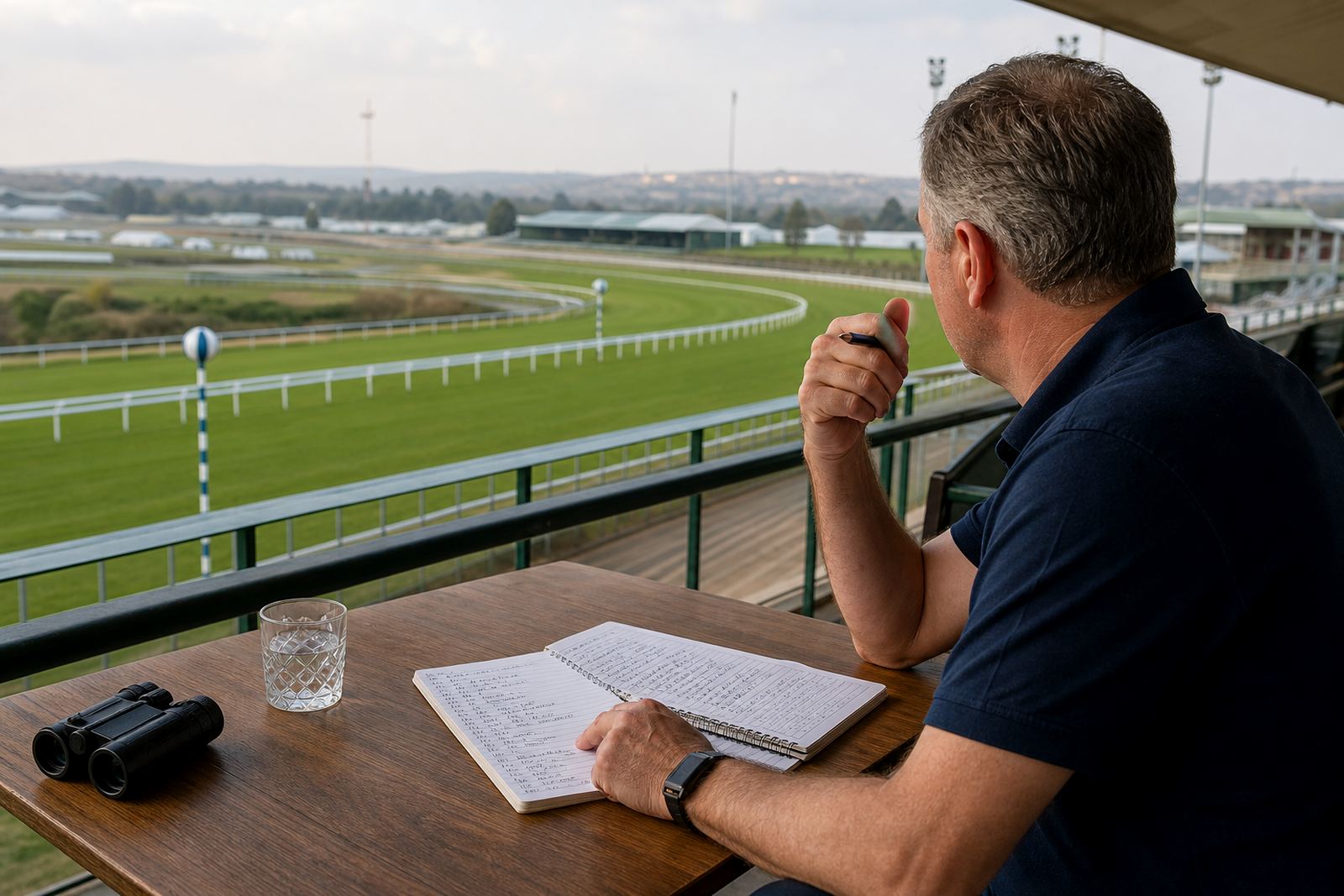
- Keep notes on draw patterns you see across the meeting.
- Treat every selection as a chance, not a certainty.
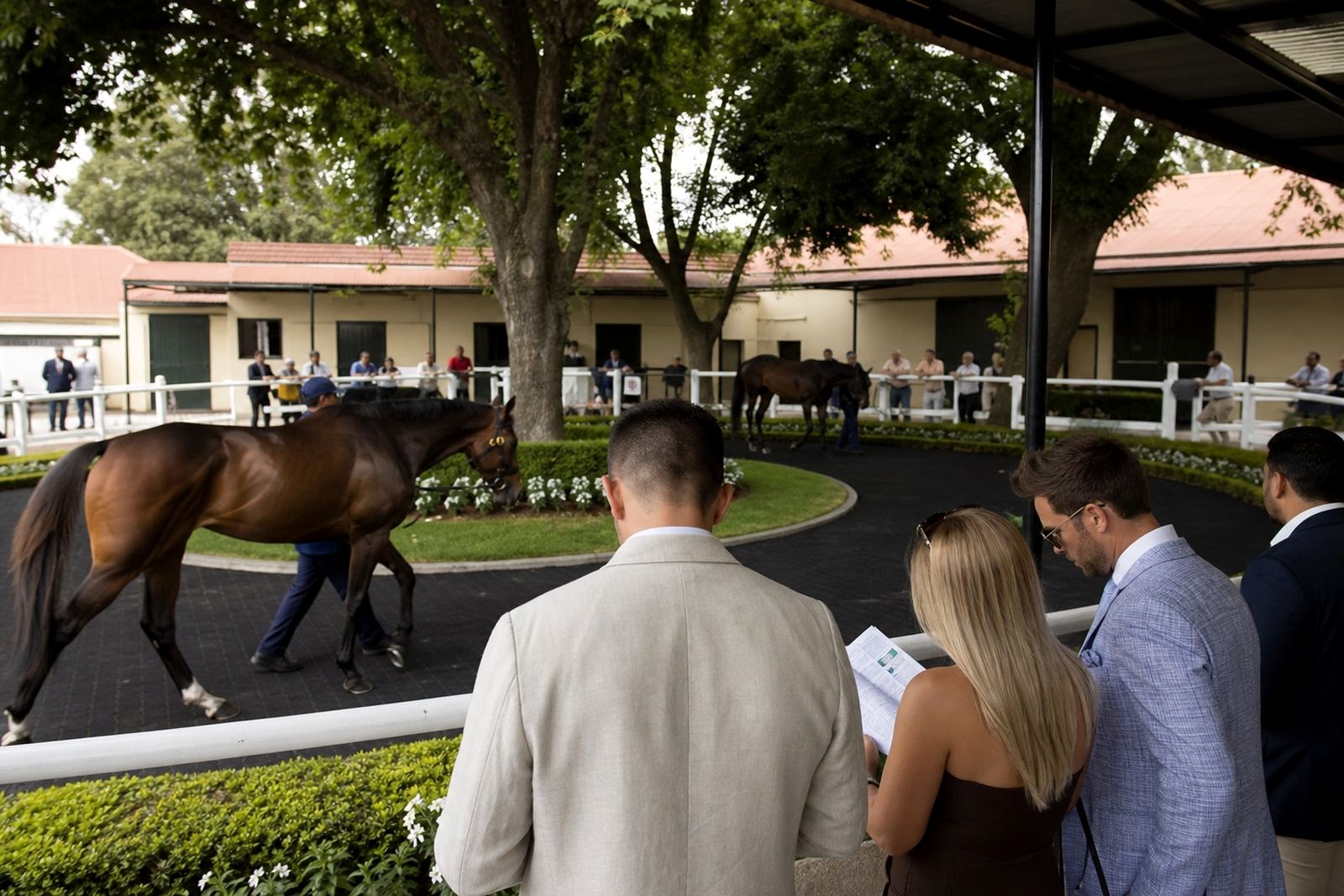
For Johannesburg and Gauteng racegoers, a useful habit is to compare the draw with the pace map, then watch the parade ring and the first furlong of the race. Small clues often tell a bigger story.