
Arriving Early and Settling In
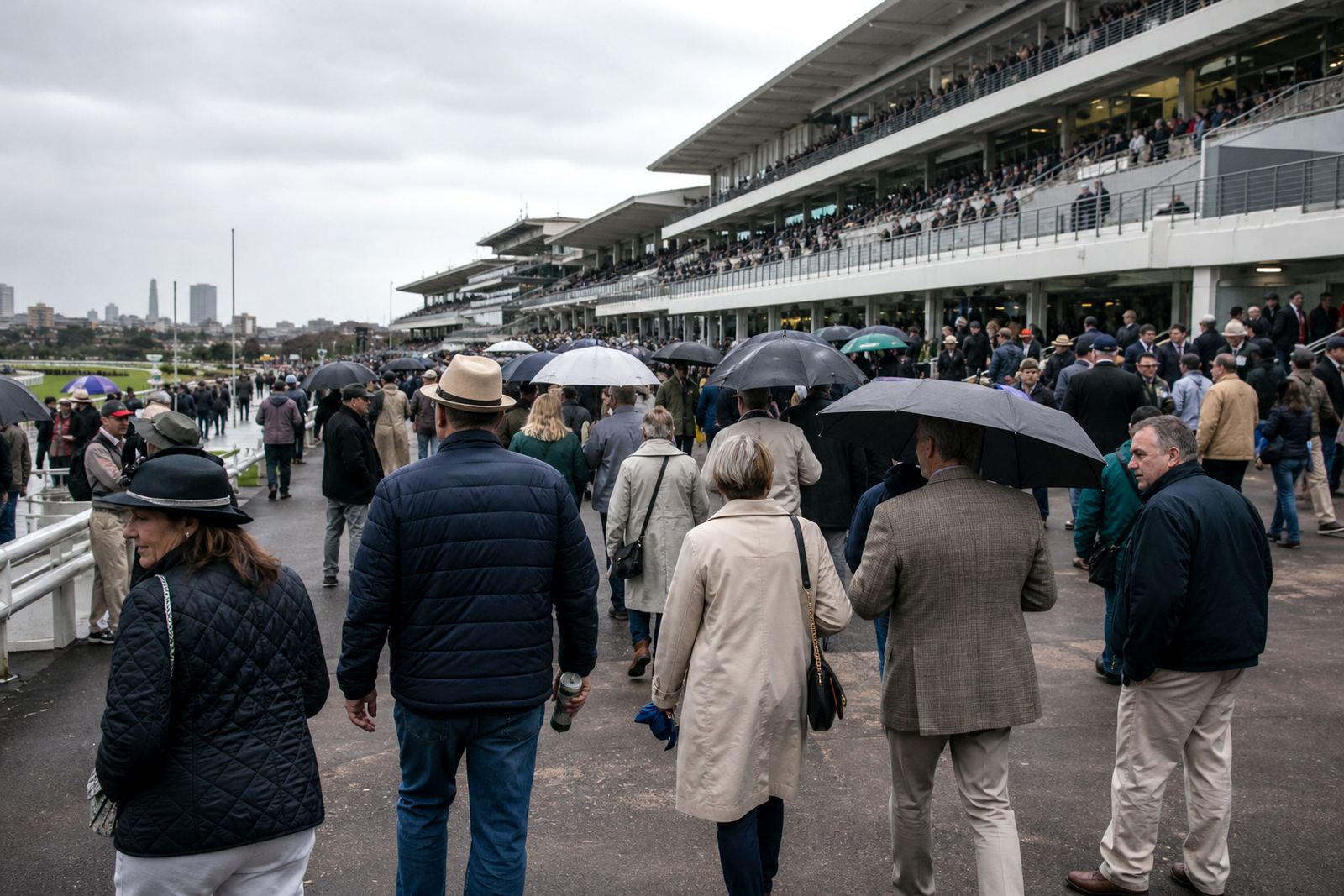
Give yourself time to get through the gate, find your seat and look around before the first race. At busy meetings in Johannesburg or Durban, a rushed arrival can leave you looking for parking while the field is already cantering to post.
Start with the essentials: your ticket or booking confirmation, a little cash or card for food and drinks, and a jacket if the weather could turn. Turf meetings can feel warm in the sun and cool in the shade, so it helps to dress in layers. If you are attending in summer, bring sunscreen and a hat. In winter, especially at Turffontein or Scottsville, early evenings can get cold fast.
- Arrive early enough to walk the course and get your bearings.
- Check where the toilets, food stalls and betting areas are before the racing starts.
- Keep your phone charged, especially if you rely on racecard notes or transport apps.
- If you are meeting friends, agree on a simple spot to meet after each race.
What You Will See Before the Races Start
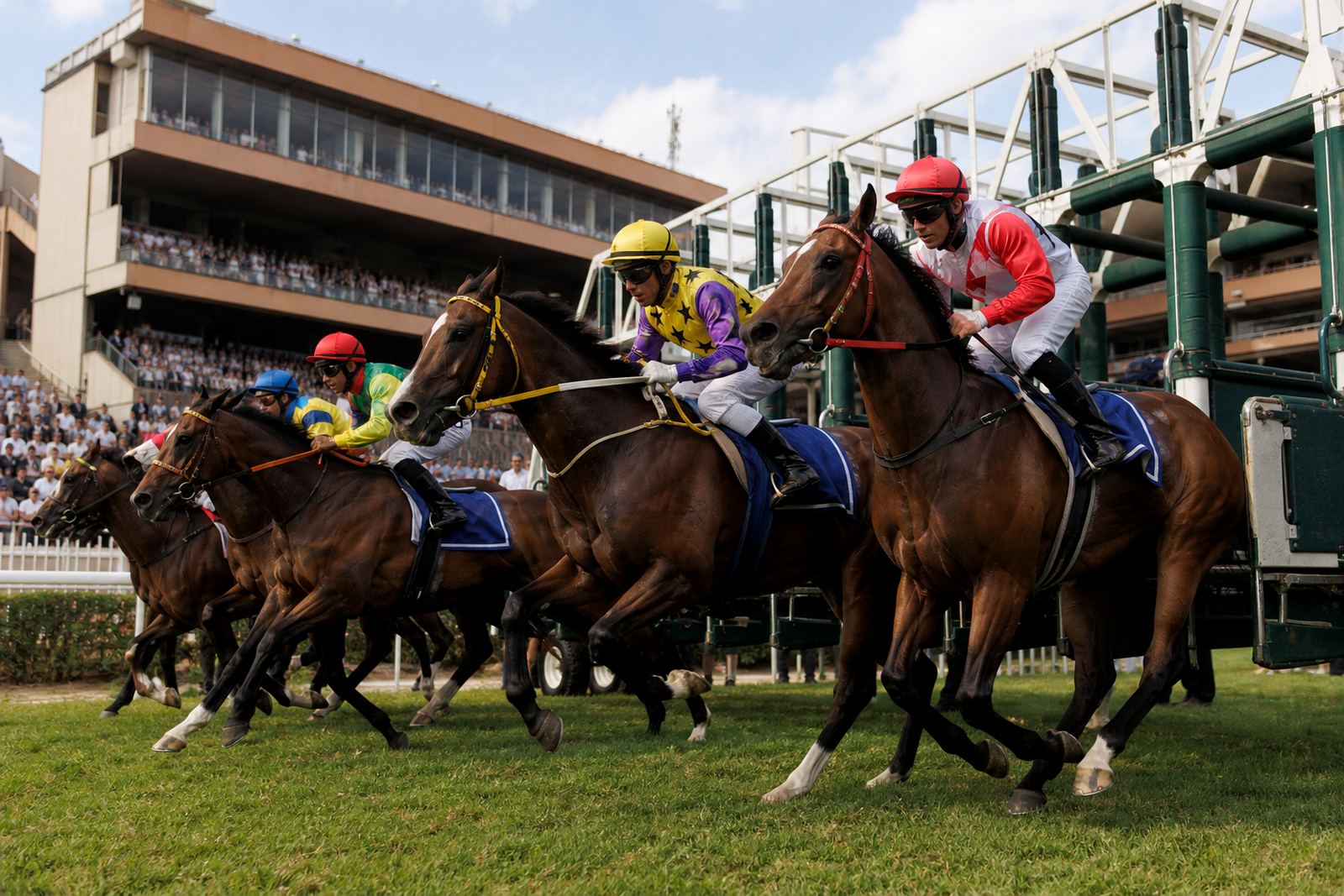
A race day has a rhythm of its own. Horses are led out, saddled and paraded, then sent down to the start. If you have never been on course before, spend a few minutes at the parade ring. That is where you can see how a horse carries itself, whether it is calm or sweating, and whether it looks alert without being worked up.
Follow the racecard and learn the basics of form. Recent runs matter, but so does context. A horse that ran well over 1200 metres on a good track may not suit 1450 metres on softer going. Notice whether it is stepping up in trip, dropping in class, or returning from a break. Track condition notes can make a real difference, especially at coastal venues where humidity and rain can affect the surface.
- Look at recent finishing positions, but also the distance, track and class of those runs.
- Check whether the horse is racing on turf or, where relevant, a surface change.
- Watch the parade for signs of calmness, fitness and energy.
- Ask yourself if the race shape suits the horse, not just the name on the page.
How the Racecard Helps You Read the Race
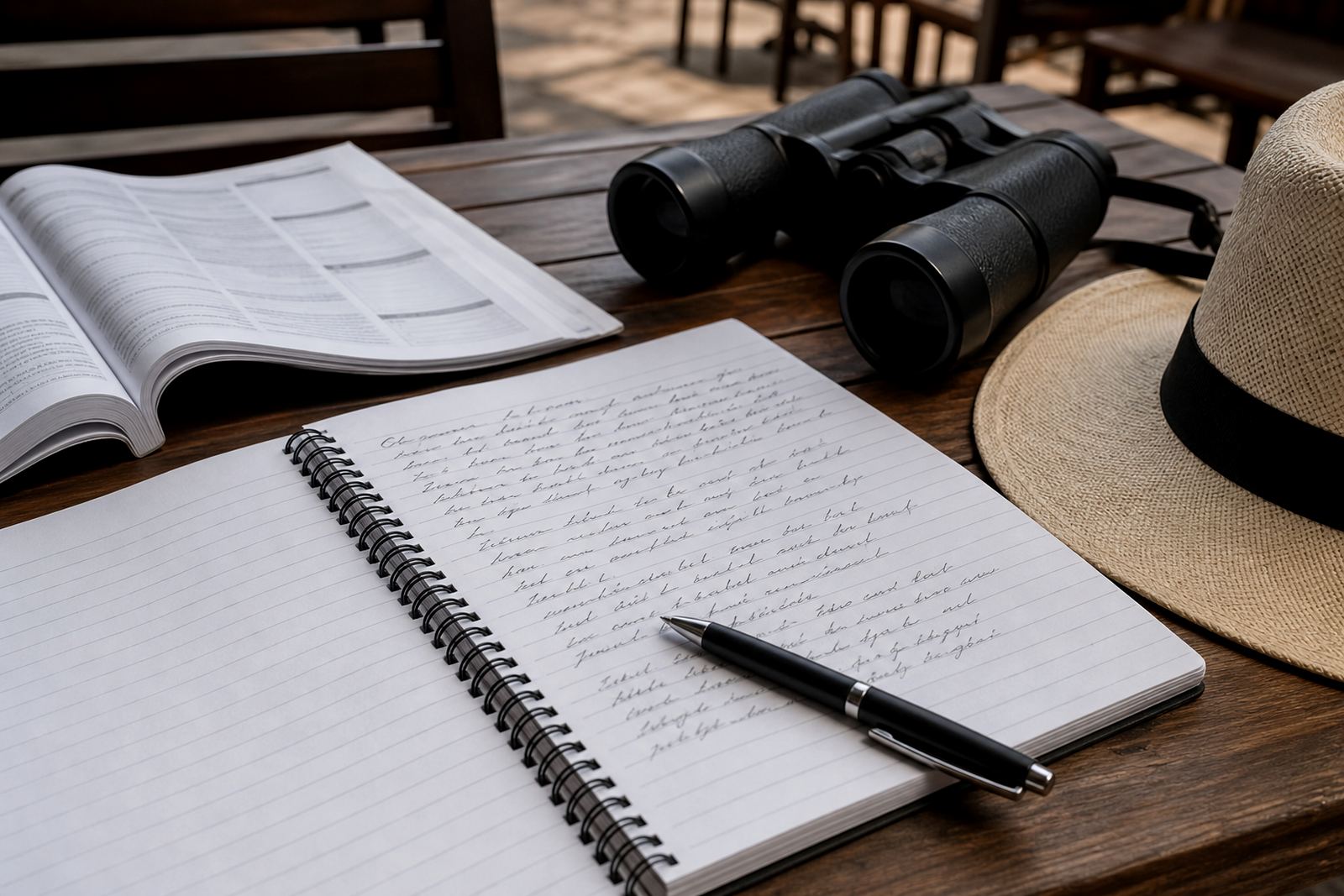
For a first timer, the racecard can look crowded, but it becomes useful once you know what to scan first. Start with the horse’s recent form, the weight carried, the draw, the distance and any notes about track condition. Those details help you understand whether a runner is likely to enjoy the day’s set-up.
At shorter trips, pace matters more than many newcomers realise. A front runner drawn well may get an easy lead, while a horse that needs cover may want a stronger pace to chase. That is why pace map notes are handy. They show the likely early speed in the race and can help you see where the pressure might come from.
- Form line: recent results and how strong those races looked.
- Distance: whether the horse is better at sprint trips or a mile and beyond.
- Draw: useful at some tracks, particularly where the inside or outside can matter.
- Going: firm, good, soft or heavy can all change how a race unfolds.
- Pace: a race with little early speed may suit a handy runner.
Race Day Etiquette That Keeps the Day Pleasant
The track is social, but it still has a few unwritten rules. Keep your voice down when horses are in the parade ring or loading for the start. Stand clear of access routes and do not block the view of others. If you are with a group, avoid spreading across too much space when seating is limited.
Respect the staff, the other racegoers and the horses. If a steward gives an instruction, follow it. Some meetings have family areas, some are more focused on the betting crowd and hospitality guests. Either way, being considerate makes the day better for everyone. A first visit is not the time to test boundaries or turn every result into a scene.
- Do not stand where you may distract horses or officials.
- Keep your belongings together and avoid leaving bags in walkways.
- Use the bins provided and leave your table or seating area tidy.
- If you are unsure where to go, ask a steward or venue staff member.
Using Hospitality Without Losing the Feel of the Races
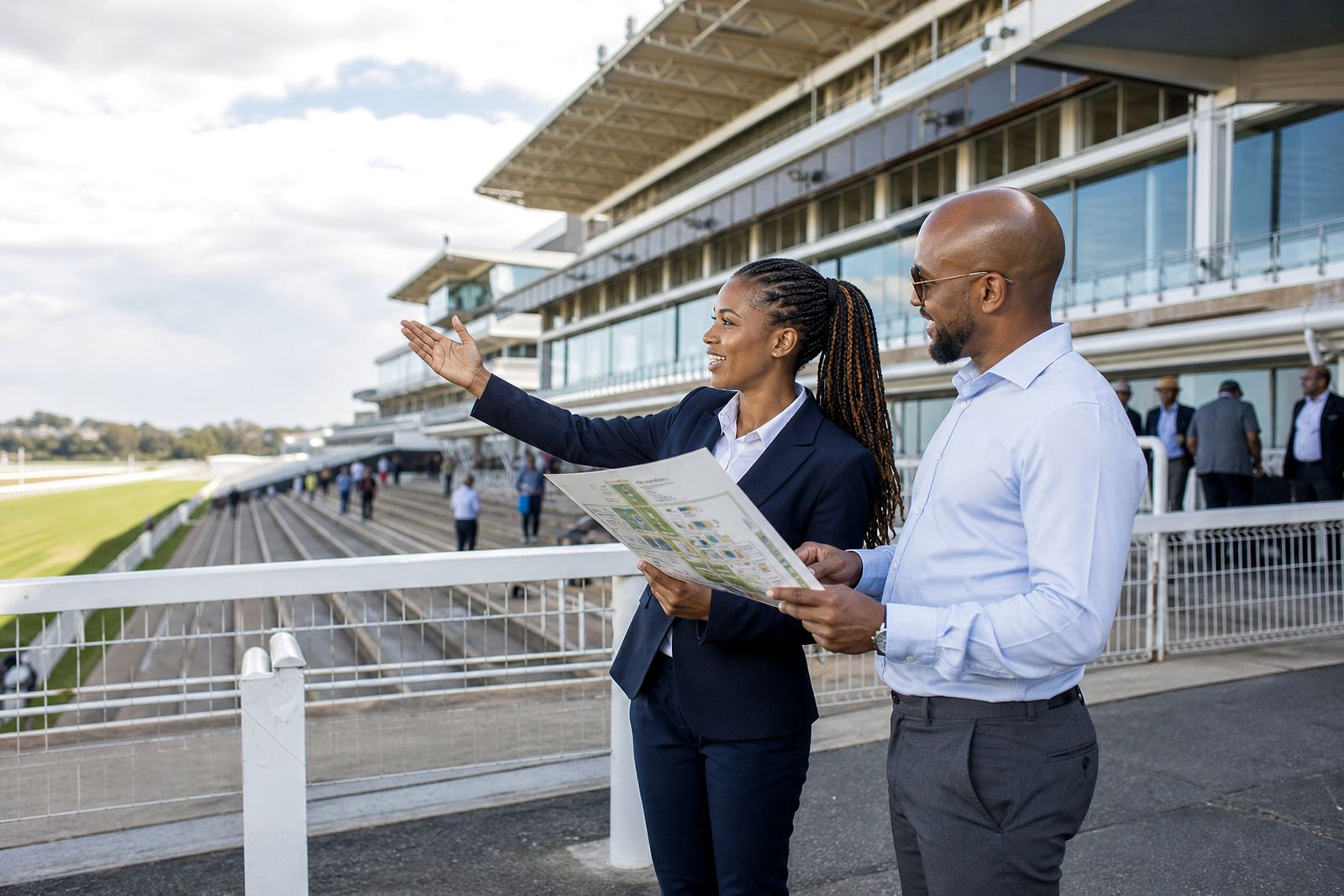
Hospitality packages can make a first visit easier because they take the pressure off the small details. You get a clearer plan for arrival, seating and meals, which is useful if you are bringing clients, friends or family who are new to the course. In Johannesburg, Rosebank and Sandton guests often choose hospitality for convenience, while others travelling from Randburg, Bedfordview or Pretoria appreciate having the day organised in advance.
Good hospitality should still feel close to the racing. You want a proper view of the parade ring, easy access to the action and enough time to follow the card. At tracks such as Turffontein, Greyville, Kenilworth, Scottsville and Fairview, the experience can vary by venue, so it helps to know whether the package suits a relaxed lunch, a business outing or a more focused punter’s day.
- Check what is included in the package, from meals to viewing access.
- Ask about arrival times so you do not miss the early races.
- Confirm whether there is sheltered seating for weather changes.
- Choose a package that fits the type of day you want, not just the price.
A Simple Local Example for Your First Outing
Picture a Saturday in Johannesburg. You leave Rosebank after breakfast, arrive with enough time to park, and walk through the course before the first race. You look at the parade ring, read the racecard, and focus on three things only: recent form, track condition and pace. That keeps the day manageable. You do not need to back every race and you do not need to understand every detail on day one.
As the afternoon goes on, you start to notice patterns. Some horses settle better than others. Some races are run at a frantic pace, while others are controlled from the front. By the last race, you are reading the day more clearly and enjoying it for what it is: a live sporting event with pace, noise and a bit of uncertainty. If betting is part of your day, keep it responsible, only bet what you can afford to lose and set a limit before the first race.
That is the simplest way to learn the sport. Start with one race, one card and one clear plan, then build from there.