
Why the parade ring matters before the off
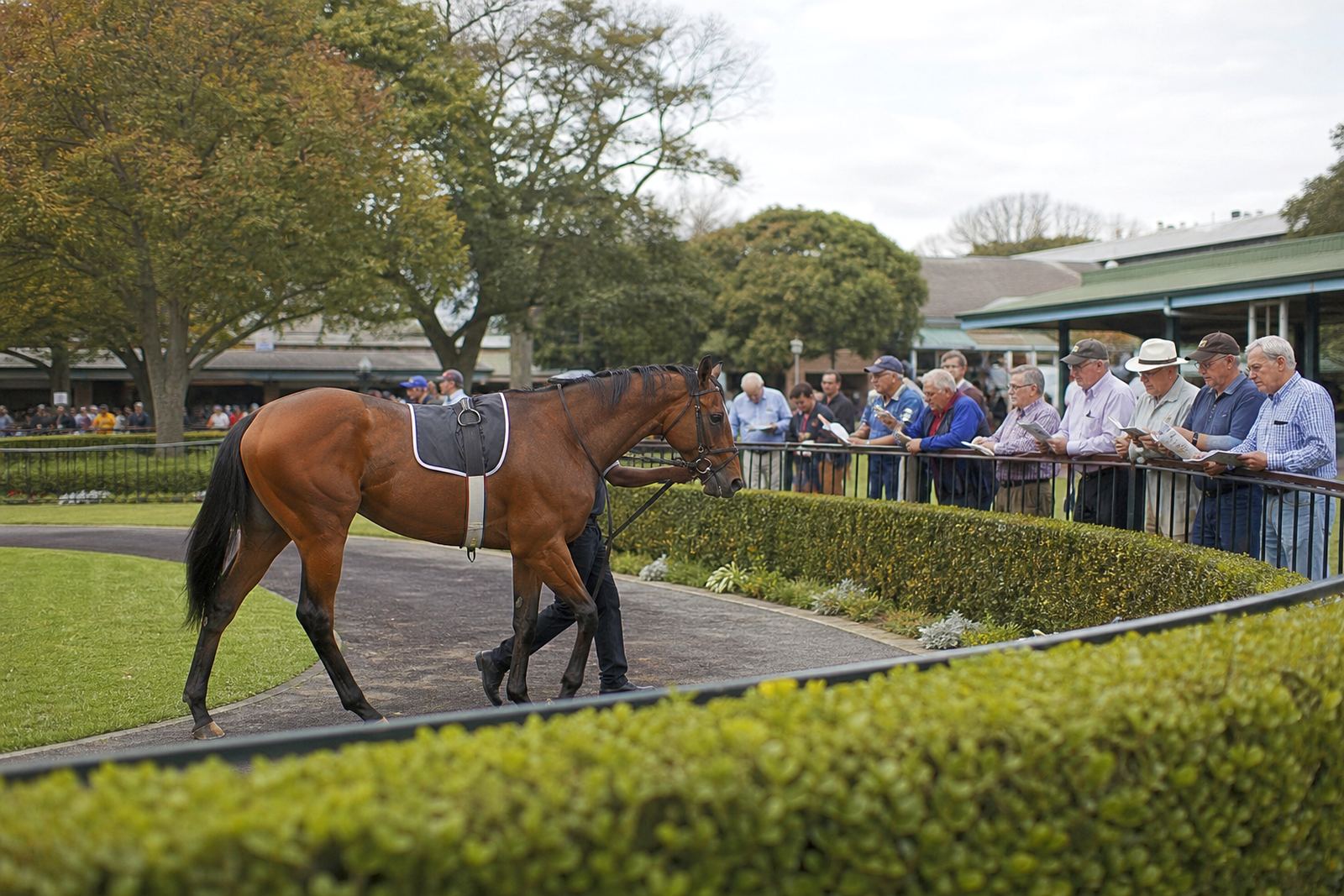
The parade ring is not a place for guessing games, it is where you can check how a horse is carrying itself just before the race. Look at the walk, the way it turns, the shine of the coat and whether the horse looks settled or on edge. A runner that is sweating heavily, tossing its head or needing constant handling may not be giving off the same impression as one that is relaxed and marching forward.
At Turffontein on a cool Johannesburg afternoon, for example, some horses will walk with plenty of purpose and look bright in the coat, while others may need extra attention from the handler. That does not tell you the result, but it can help you judge whether the horse seems ready to do its best on the day.
What to watch in a horse's body language
Adults new to racing often focus only on the saddlecloth number. The better habit is to watch the horse itself from the moment it comes into view. A good parade starts with balance and a steady walk, followed by a relaxed head carriage and clean movement through the shoulders and hind legs. If the horse is pulling hard, backing up, or looking too hot, that is worth noting before you place any betting slip.
- Watch the ears for alertness and calm focus, not wild flicking.
- Check the coat for shine, which can hint at overall condition.
- Notice if the horse is lathered, sweaty or quiet in the coat.
- Look at the walk, especially whether it is short, choppy or free.
- See how the horse behaves when it stands for the public and handlers.
One poor parade does not mean a horse cannot run well, but it should nudge you to pause and think. Responsible betting matters, so never chase losses and only bet what you can afford to lose.
How handlers, saddling and surroundings shape the picture
The people around the horse matter too. A neat, settled walk into the ring often makes the horse easier to assess, while a rushed or restless arrival can create noise in the picture. Pay attention to the jockey's posture, the handler's control, and whether the horse is walking with purpose or being dragged from one point to another. Small things add up.
On windy days in Durban or on a humid evening at Greyville, some runners may sweat more quickly, so you must read the parade in context. A horse that looks a bit warm in coastal humidity may still be composed and well prepared, while another may be more than just warm, showing signs of agitation that are harder to ignore.
- Compare each runner against the others in the same race, not against memory alone.
- Notice if the horse is calm while the saddling process is completed.
- Check whether the rider looks comfortable or is constantly adjusting tack.
- Take in the whole picture, not one isolated sign.
Local conditions can change what you see
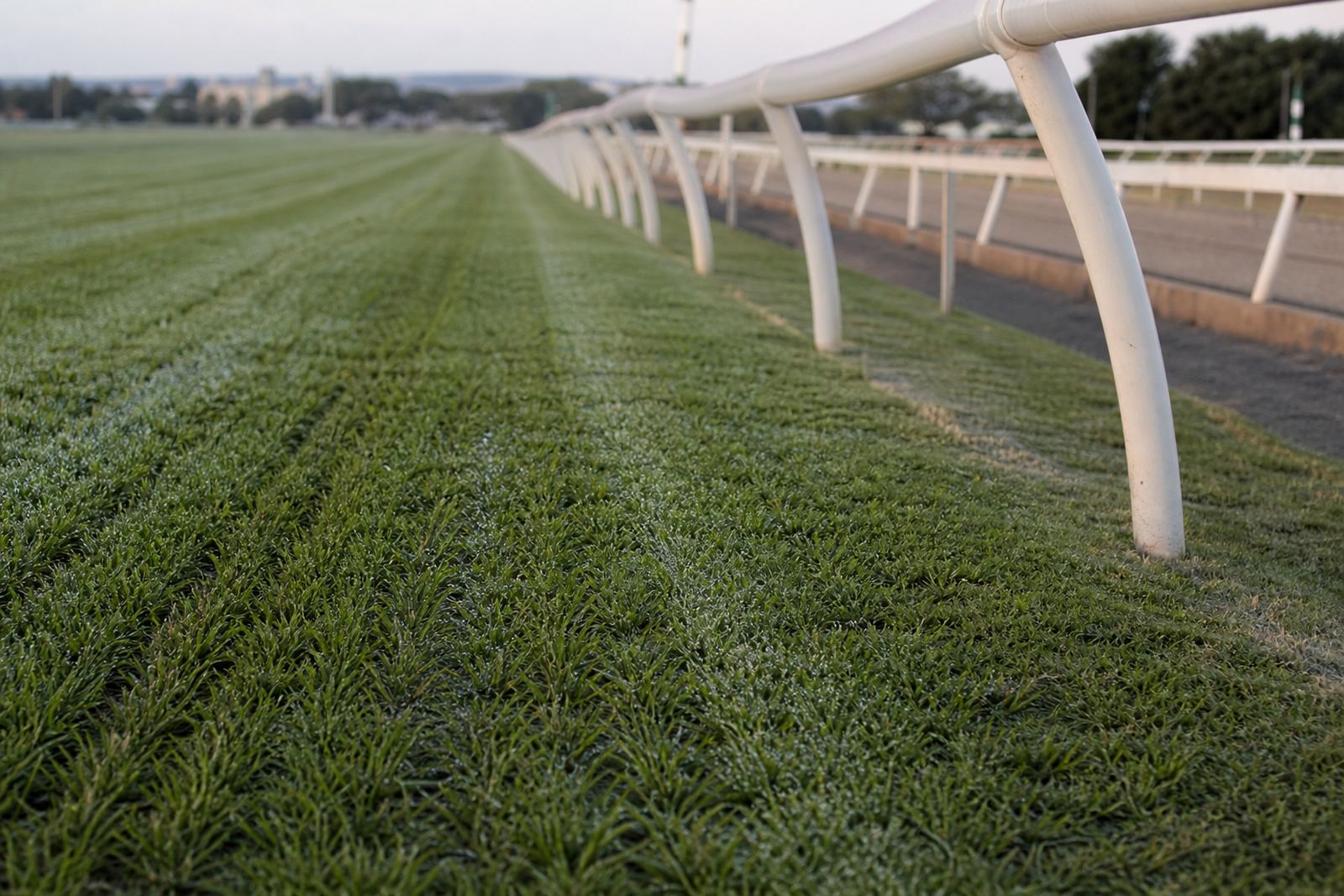
In Gauteng, track conditions and weather can change a parade lesson quickly. A dry, firm track at Fairview will often produce a different look from a softer surface at Kenilworth after rain, and you should keep that in mind when assessing the horse. A runner that is light on its feet and moving freely on the day may suit the expected going better than a horse that looks stiff or flat in the paddock.
Track condition notes are part of the wider form reading picture, and they work best when combined with what you see in the ring. If a horse has been working well, has a suitable pace map profile and then looks composed in the parade, that is a stronger case than relying on one piece of information alone. Form reading support is about joining the dots, not forcing a conclusion.
Race-day etiquette in the parade ring
The parade ring is part of the race day experience, so good manners matter. Keep out of the way of the handlers, avoid loud calls and give the horses space. Children should stay close to adults, and spectators should not try to touch or distract the horses. A calm crowd helps everyone, and it lets you observe properly without adding stress to the runners.
- Stand still when horses are passing close by.
- Do not flash phones in a horse's face or step into a handler's path.
- Keep voices low so you can hear instructions and read the mood.
- Allow space at railings and entry points, especially at busy meetings.
If you are attending hospitality at a racecourse, follow venue rules and respect the marshals. It keeps the day orderly and it helps the racing staff do their work safely.
Using parade observations with your racecard shortlist
Watching the parade ring is most useful when you use it with your racecard shortlist, meeting preview and any late notes. A horse that looked sharp in the paddock but was vulnerable on paper may still deserve a second look, while a runner that looked poor and already had questions on form may be easy to pass over. The key is to avoid overreacting to one visual clue.
For a Saturday card at Scottsville, a regular punter might already have a shortlist based on draw, pace and recent runs. The parade ring then helps refine that view. Maybe one runner is quieter than expected and another is sweating up more than the rest. That is useful information, but it should be weighed carefully. Betting should always be measured and adult, with no expectation of certainty.
Racing House supports adults with daily tip notes, weekend previews, feature meeting tips and race day hospitality guidance for meetings at Turffontein, Greyville, Kenilworth, Scottsville and Fairview. The aim is simple: give you practical context before the first race so you can follow the day with more confidence and better judgement.