

Keep the bet in its place, not the other way round
Horse racing can be lively, social and full of opinion, especially on feature days at Turffontein or Greyville. The right approach is to decide in advance what you are comfortable spending and treat that amount as part of your outing, not as money that must come back.
Set a clear limit before the first race. If you use a small bank for the day, keep it separate from transport, meals and any household money. Once that limit is reached, stop. That simple rule helps you stay calm when the card gets tricky and it stops late decisions from becoming rushed ones.
- Choose a fixed budget before you arrive at the course or open your form notes.
- Do not chase a loss with a bigger stake on the next race.
- Leave credit cards and emergency savings out of the betting plan.
- Take regular breaks, especially during longer meetings.
Read the form first, then decide if the race is worth a bet
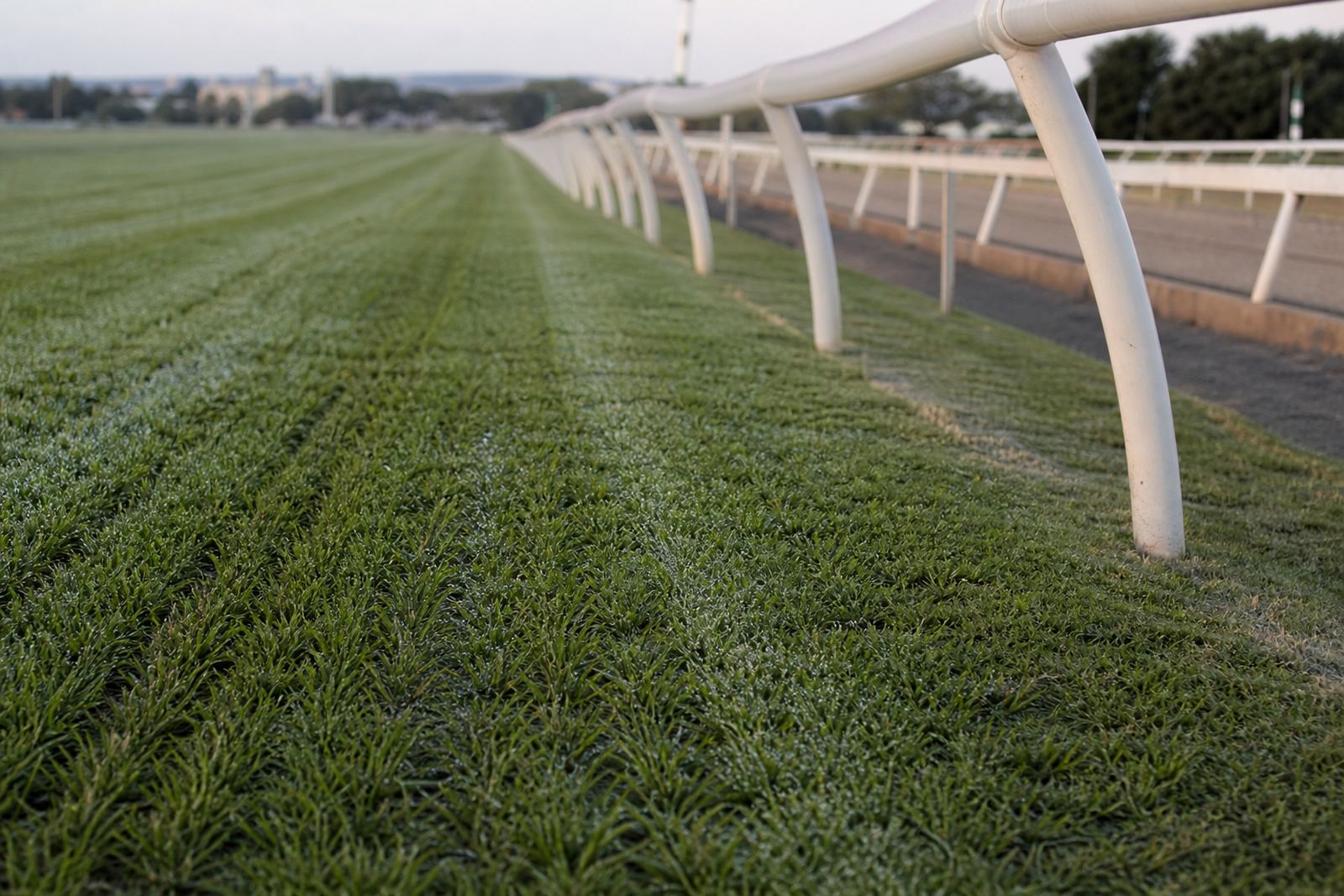
Good betting starts with reading the race properly. Look at recent runs, the class of race, the draw, the weight carried, and whether the horse has shown ability on a similar track condition. A runner with strong recent form at Scottsville on a testing surface may not suit the same way on a faster day at Kenilworth.
Pay attention to pace as well. A race with little early speed can favour a horse that settles handy, while a hard-run race may bring a closer into it late. The key is to ask whether the race makes sense on paper before you put money down. If it does not, passing the race is often the best call.
- Check whether the horse is improving or dropping in class.
- Note the track condition and whether the runner has handled it before.
- Look for draw and pace factors that may help or hinder the run.
- Do not bet just because a horse is popular in conversation.
Use a shortlist, not every race on the card
A busy meeting can tempt people to have a flutter in every race, but that usually weakens judgement. A better plan is to work through the card and narrow it down to one or two races where you have a clear opinion. That approach is especially useful on weekends when the fields are full and opinions are mixed.
Racing House supports that method with Daily Tip Notes, Weekend Preview Service, Midweek Briefing and Racecard Shortlist guidance. These are meant to help you compare the main factors in a race, not to push you into action on every event. When a race is open and your reading is uncertain, the sensible move is to leave it alone.
Before the meeting starts, decide how you want to stake your bets. Many adults prefer the same small stake on each selected race rather than changing amounts after every result. Consistency makes it easier to stay in control.
Race-day hospitality should add comfort, not pressure
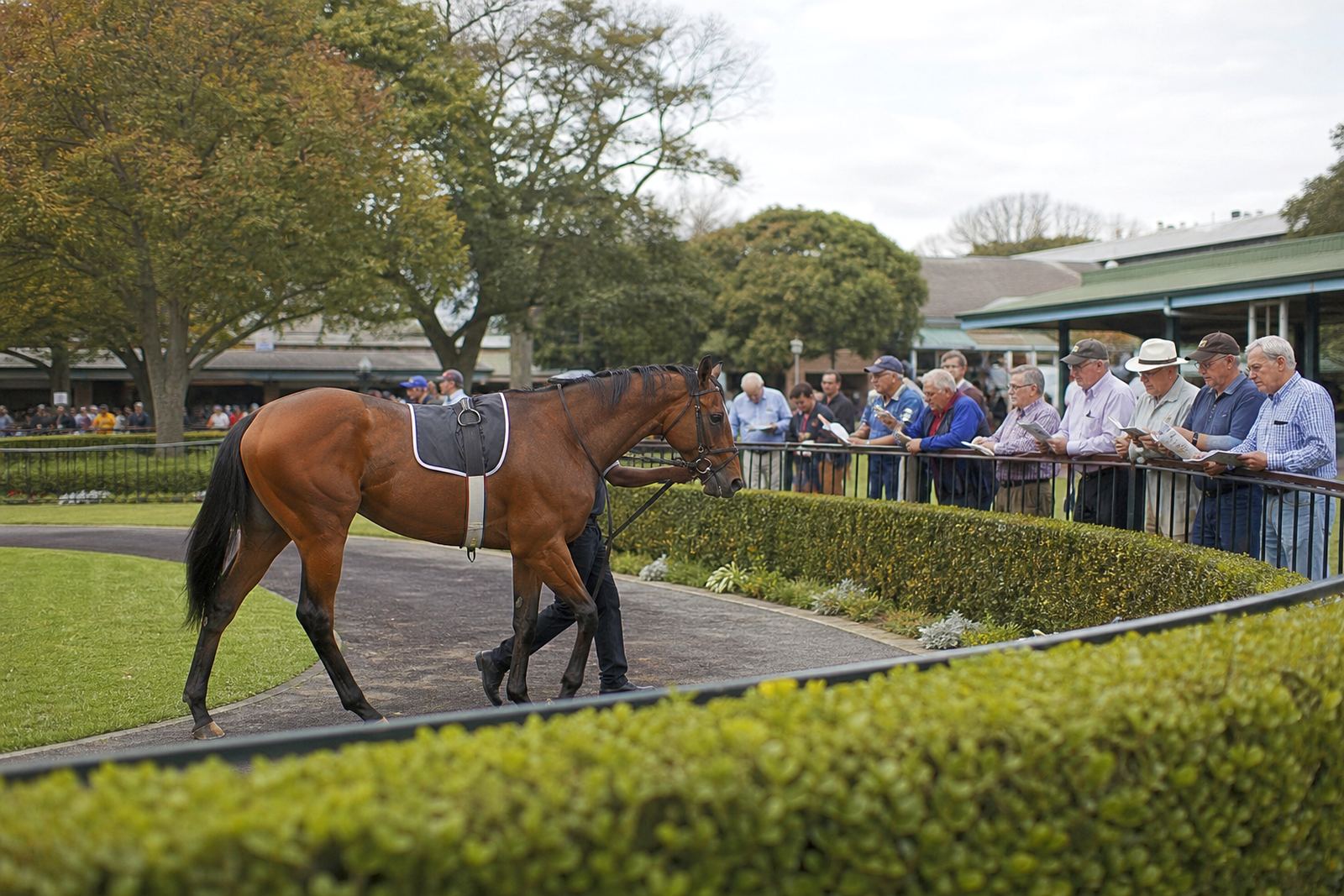
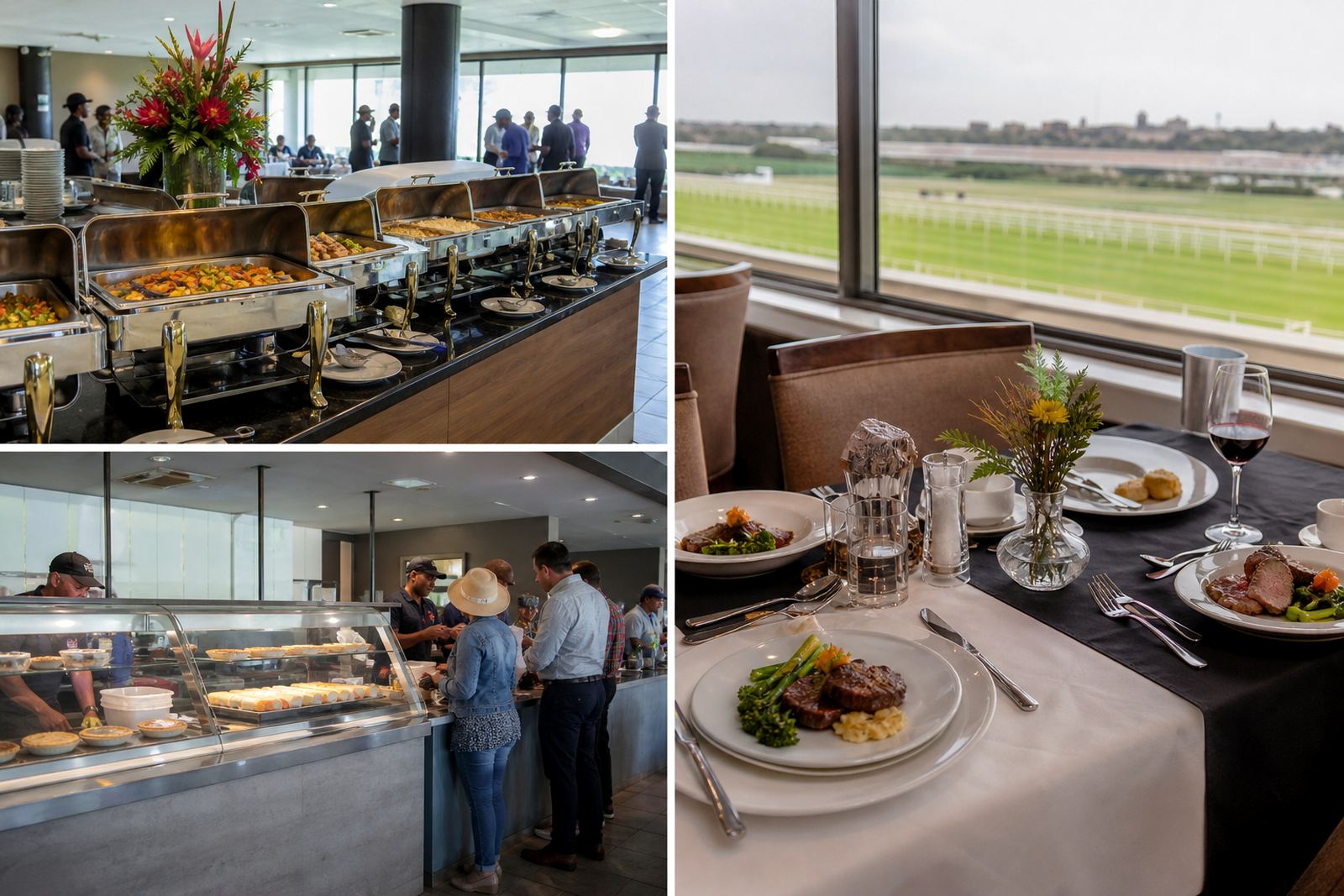
Hospitality at the races should make the day easier, not busier. Whether you are at Fairview, Turffontein or Greyville, the best setup is one that gives you time to settle in, study the card and enjoy the atmosphere without feeling rushed. At Racing House, our race-day hospitality is planned with that in mind.
A good hospitality plan allows for practical details too. In Johannesburg and Pretoria, weather can shift quickly, while coastal tracks like Kenilworth and Greyville often bring humidity that changes how the day feels. On some race days you may need shade, water and a bit of patience. Good etiquette means arriving on time, keeping group noise under control and respecting the space of other racegoers.
- Dress neatly and comfortably for the venue and weather.
- Follow the course rules on seating, smoking areas and access points.
- Keep your group together and avoid blocking walkways or viewing areas.
- Plan ahead for traffic, parking and municipal by-laws around the course.
Practical signs that betting is no longer entertainment
Most adults can keep wagering in its proper place, but there are clear warning signs when the habit starts to take over. If you are thinking about bets most of the day, trying to recover losses, or borrowing money to keep going, it is time to stop and step back. Betting should never create stress at home, at work or in your own head.
Another sign is hiding your spending from the people around you. If you are unable to say exactly what you set aside for racing, or you feel tense until you place a bet, take that seriously. It is better to miss a meeting than to keep digging. The sport will be there next week, and so will the next form guide.
- Set a time limit as well as a money limit.
- Take a break after a difficult run of results.
- Do not use betting to deal with boredom, anger or pressure.
- Speak to someone you trust if the habit is becoming hard to control.
Local support from Rosebank to the tracks
Racing House is based in Rosebank, Johannesburg and supports adults across Sandton, Midrand, Randburg, Bedfordview, Pretoria, Centurion and Kempton Park. Many clients like to use the enquiry form on our contact page for form reading support, meeting recaps, pace map notes or a racecourse preview call before a big weekend card.
Our team includes people who understand both the racing side and the practical side of the day. That matters when you are deciding whether a horse suits the conditions or when hospitality needs to be timed around the race schedule. From Feature Meeting Tips to Novice Punters Help, the aim is to keep your decisions informed and your day organised.
If you are heading to the track, go with a plan, keep your expectations realistic and remember that racing is entertainment first. That mindset helps you enjoy the horses, the company and the occasion for what it is.
Bet responsibly. Adults only 18 plus. Set a limit, stay in control and only wager what you can afford to lose.