Why binoculars help before the gates open
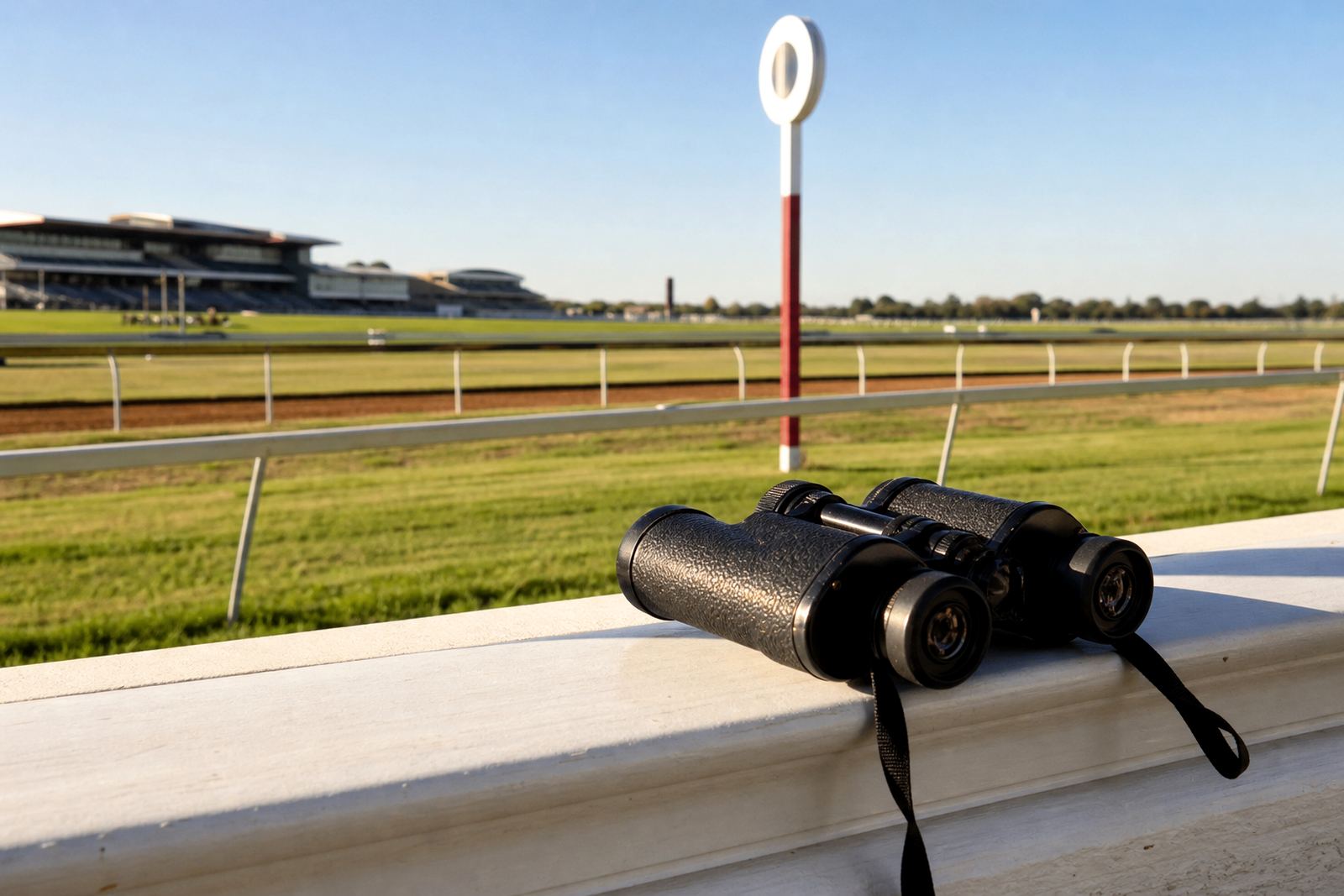
Many punters only reach for binoculars once the race is underway, but the best use often starts earlier in the day. In the parade ring, you can check how a horse carries itself, whether it looks settled, and if it is moving freely in the walk around before the start.
At tracks like Turffontein or Greyville, where the crowd can be busy and the action moves between parade ring, tote area and the track, a small pair of binoculars saves time. You do not need anything oversized. A light, steady pair is usually enough for race days in Johannesburg, Durban or Cape Town.
- Use them to compare the horses in the ring, not to guess on looks alone
- Watch how calm or keen a runner is before loading
- Check saddlecloth numbers if the field is moving in and out of view
How to read a racecard with binoculars in mind
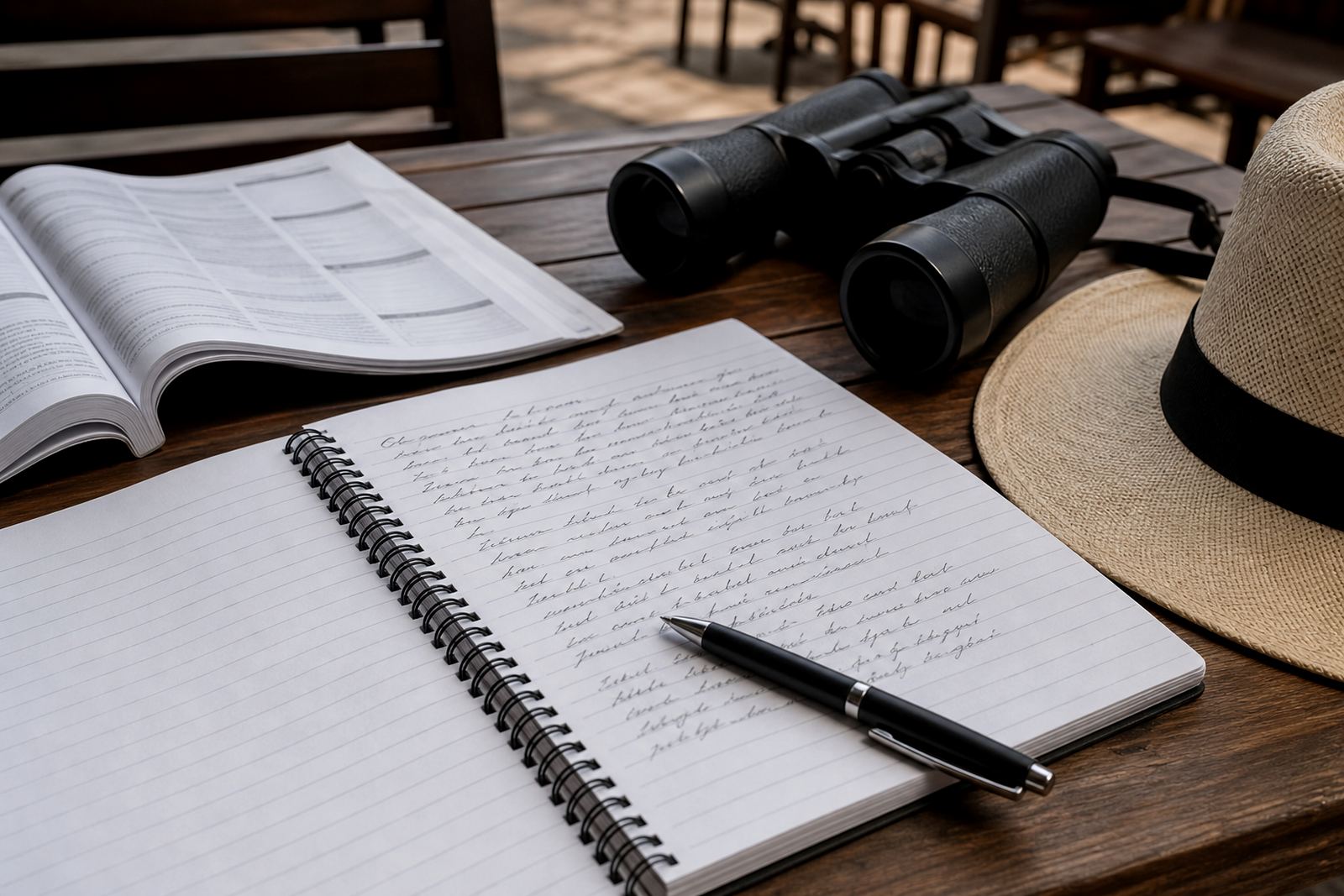
Binoculars are most useful when they work together with form reading. A racecard tells you the basics, but your eyes help confirm what the paper shows. If a horse has been running better over a certain distance or on a specific surface, use the binoculars to see whether it looks comfortable on the day.
Form guides from Racing House are built to help you match what you see with the recent runs, track condition notes, pace map notes and the likely race shape. That is useful at all five major South African racecourses, but especially when weather changes the going and the field may handle the surface differently.
- Look for obvious signs of fitness, but do not overrate one strong walk
- Use the racecard to check distance, draw and recent class of opposition
- If the track is wet or windy, give extra weight to proven conditions rather than appearance only
Where to stand for the clearest view
Good binocular use is not just about the glasses, it is also about position. Stand where you can see the parade ring, mounting area or the main straight without having to twist your neck every few seconds. At bigger meetings, a place near the rail or on a raised viewing point can make a real difference.
At Scottsville, where the straight can play a role in how a race unfolds, a steady view of the horses warming up is helpful. At Fairview, where the rhythm of the meeting may change with weather and wind, it helps to choose a spot with a clean line of sight and less glare. If you are at a hospitality area, ask staff where you can watch the parade without blocking walkways.
- Arrive early enough to get your viewing position sorted
- Keep clear of steps, narrow exits and busy serving points
- Use one hand to steady yourself if the crowd is moving around you
What to look for when the horses pass by
Binoculars can reveal details that are easy to miss at a glance. You are not trying to spot a winner by appearance alone, because no one can do that with certainty. What you can do is look for signs that support or challenge the form guide.
Watch for a horse that is relaxed but alert, moving evenly, and not wasting energy. If a runner is sweating heavily, tossing its head or becoming unsettled, that may tell you something about temperament on the day. The same applies to horses that are very sharp in the preliminaries and then appear to lose focus. Small clues matter, but they must be weighed with the rest of the information.
- Check balance in the walk and when turning
- Notice if the horse is on its toes or too flat in the preliminaries
- Look for even movement rather than a flashy stride alone
Using binoculars without missing the race
A common mistake is watching through binoculars for too long and missing the break. Use them in short bursts, then look up and take in the whole field. That matters most at the start, into the first bend, and again when the pace changes down the side of the track. A race can be lost or won in a few seconds, so you need both the close view and the wide view.
If you are following one horse closely, keep the lens movement smooth and do not chase every runner at once. Pick a point in the race and track it. At meetings where the field is tightly packed, such as midweek cards in Gauteng, it helps to know beforehand which runners you want to watch so you are not scanning all over the place.
- Glance through the binoculars, then look up to read the race shape
- Follow one key horse rather than trying to watch every runner at once
- Use the final 400 metres to judge whether a run was better than it looked on paper
Binoculars, etiquette and responsible betting
Race day is a shared space, so a little etiquette goes a long way. Do not raise your binoculars where they block another person’s view, and avoid leaning over rails or standing in walkways while trying to get a better angle. If you are in a hospitality area, keep your gear compact and respect staff movement and the seating plan.
For newcomers, Racing House also helps with novice punters support, racecourse preview calls and meeting recap notes, so you can learn how to read form and follow the day with more confidence. If you do place a bet, do so responsibly and only if you are 18 or older. Set a limit before the first race and stick to it. Binoculars can sharpen your view, but they should never replace sound judgement.
- Keep the lens and strap secure in crowded areas
- Do not argue over rail space or block the parade route
- Bet within your means and never chase losses